
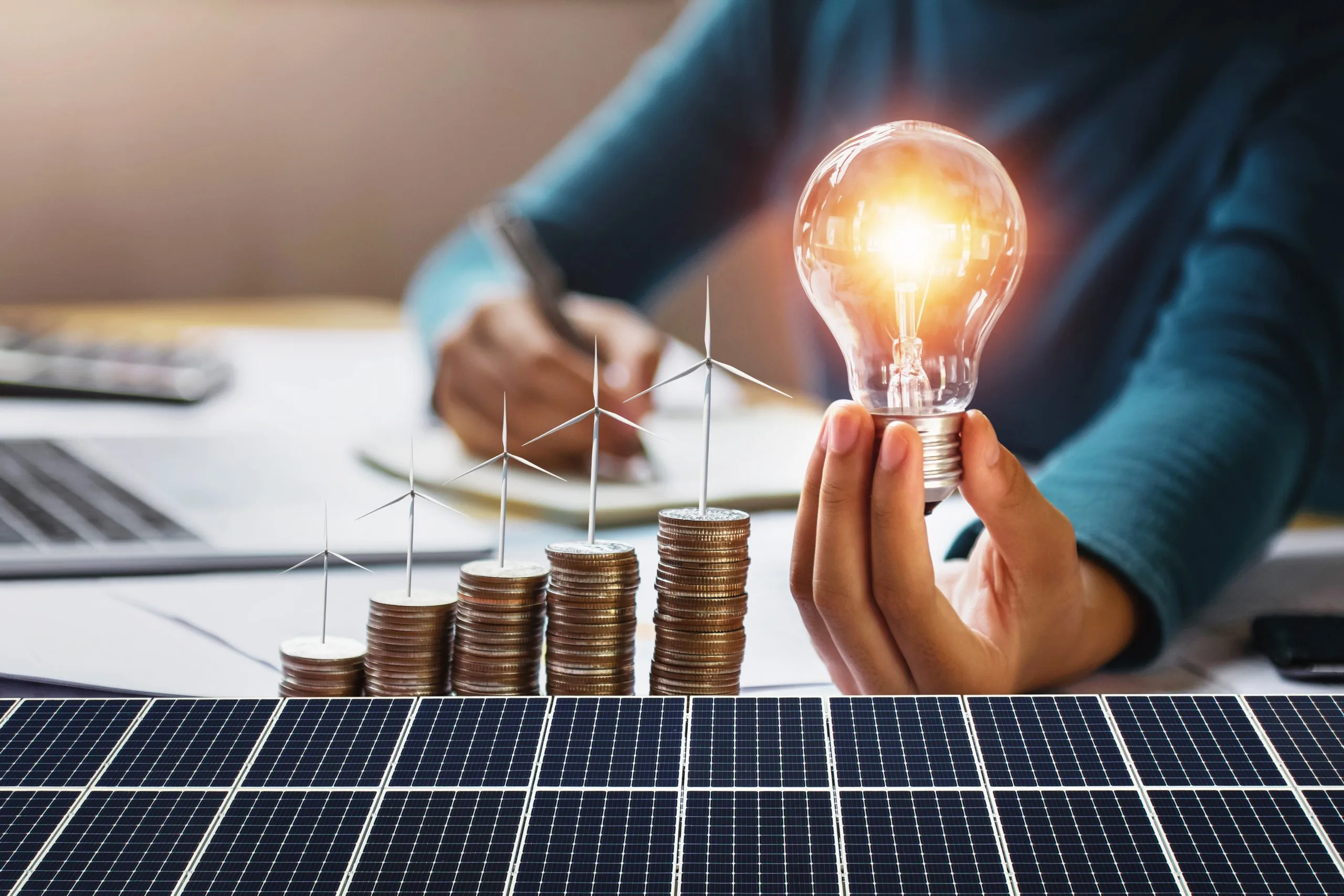
Germany’s solar energy landscape is rapidly evolving, and the role of Solar EPC (Engineering, Procurement, and Construction) services is becoming increasingly crucial. As the country pushes to meet its ambitious renewable energy goals, the demand for solar installations is expected to grow significantly. With the government aiming for 50% renewable electricity generation in the coming years, solar power will be at the forefront of this transition. Germany is set to surpass 100 GW in solar capacity, with the Solar EPC market playing a central role in the construction, maintenance, and expansion of solar infrastructure. These growing opportunities are driven by technological advancements, policy support, and the increasing need for sustainable energy solutions.
Key Drivers Behind Germany’s Solar EPC Market Growth
Government Support and Renewable Energy Goals
Germany’s strong commitment to renewable energy is one of the key drivers behind the expansion of the Solar EPC market. The country’s Energiewende (energy transition) plan aims to achieve a 50% share of renewable energy in the coming years, with solar energy contributing significantly to this target. Earlier, Germany’s solar capacity reached approximately 50 GW, and the government aims to double this figure as we move towards the future. To support this growth, Germany has implemented favorable policies such as the Renewable Energy Sources Act (EEG), which guarantees fixed payments for solar energy producers. These government initiatives provide financial security for solar developers, making large-scale solar projects increasingly viable for EPC contractors.
Technological Advancements and Falling Costs
The cost of solar power has dropped dramatically in the past decade, making solar energy one of the most cost-effective sources of renewable power. Technological advancements in photovoltaic (PV) technology, such as more efficient solar panels and advanced inverters, have improved the performance of solar systems and driven down installation costs. The cost of solar panels has fallen by over 80%, making it increasingly affordable for both residential and commercial installations. As these advancements continue, demand for large-scale solar installations will rise, creating new opportunities for EPC companies to develop and maintain solar projects.
Growing Demand for Clean and Reliable Energy Solutions
The global shift toward cleaner energy is contributing to the increasing demand for solar installations in Germany. With the country’s ambitious decarbonization goals and rising consumer awareness about climate change, businesses and homeowners are increasingly turning to solar power as a sustainable energy solution. As industries adopt renewable energy sources and electric vehicles become more widespread, the demand for reliable energy storage and management systems will further fuel the growth of solar EPC services. The ability to integrate solar energy with other technologies such as energy storage and electric vehicle charging stations will present new opportunities for EPC contractors to meet evolving energy needs.
Government Initiatives and Support for Solar EPC Growth in Germany
Germany’s government plays a crucial role in driving the growth of the solar EPC market through targeted policies and financial incentives. The Energiewende initiative has created a supportive environment for solar energy, offering tax incentives, subsidies, and funding for solar projects. The Renewable Energy Sources Act (EEG) guarantees long-term fixed payments for solar energy producers, providing financial stability and encouraging further investments in solar infrastructure. Additionally, the government has committed to ramping up the country’s renewable energy generation capacity, with solar playing a central role in this vision. As government support remains strong, the Solar EPC market will continue to thrive.
Competitive Landscape of Germany’s Solar EPC Market
Germany’s Solar EPC market features a mix of well-established energy companies and emerging players, each contributing to the expansion of solar energy in the country. Leading companies like BayWa, Belectric, and EnBW are at the forefront of solar project development and execution. These companies offer a range of services, from the initial design and procurement of solar components to the construction and maintenance of solar plants. In addition to these domestic players, international companies such as First Solar and Jinko Solar are also active in the German market, further intensifying competition. As more players enter the market, there will be continued pressure to innovate and offer more cost-effective and efficient solar solutions.
Market Challenges faced in the Solar EPC Landscape of Germany
High Capital Investment and Financing Barriers
Despite the falling cost of solar technology, the high initial capital investment required for large-scale solar installations remains a significant challenge. Solar EPC projects, particularly for utility-scale installations, require substantial upfront investment in equipment, labor, and infrastructure. Securing financing for these projects can be challenging, particularly for smaller developers or those operating in rural areas where solar farms are typically located. To address this challenge, the German government has introduced subsidies and financing programs, but additional efforts may be needed to reduce the financial burden and make large-scale solar projects more accessible.
Regulatory Delays and Permitting Issues
While Germany is known for its progressive renewable energy policies, the permitting and regulatory processes for new solar projects can be slow and cumbersome. Local opposition to solar installations, particularly in rural regions, and bureaucratic delays can significantly slow the development of solar farms. Simplifying the regulatory process and addressing local concerns will be essential to accelerating the growth of the solar EPC market. If the permitting process is streamlined, it will help EPC contractors to move projects forward more quickly and help Germany meet its renewable energy targets more efficiently.
Future Outlook
The outlook for Germany’s Solar EPC market is highly positive, with the sector expected to grow significantly as the country continues to ramp up its solar capacity. In the upcoming years, Germany’s solar capacity is projected to exceed 100 GW, with a substantial portion of this growth driven by large-scale solar plants. Technological advancements, such as the integration of energy storage systems, smart grids, and electric vehicle charging infrastructure, will create additional opportunities for EPC companies to provide innovative solutions. As demand for clean, renewable energy continues to rise, the Solar EPC market will play a central role in helping Germany achieve its ambitious energy transition goals.
Consultants at Nexdigm, in their latest publication “Germany Solar EPC Market Outlook to 2035,” analyze the sector by System Type (Utility-Scale Solar Systems, Commercial Solar Systems, Residential Solar Systems, Off-Grid Solar Systems), By Platform Type (Grid-Connected Solar Systems, Off-Grid Solar Systems, Hybrid Solar Systems), and By Fitment Type (On-roof Solar Installations, Ground-mounted Solar Installations, Building Integrated Solar Installations).
Nexdigm suggests that businesses should adapt to the evolving renewable energy landscape by aligning with market trends and regulatory changes. By staying informed on government incentives and increasing demand for clean energy, businesses can seize opportunities in the growing solar sector. This strategic approach ensures long-term sustainability and helps businesses stay competitive in an increasingly green economy.
To take the next step, simply visit our Request a Consultation page and share your requirements with us.
Harsh Mittal
+91-8422857704