
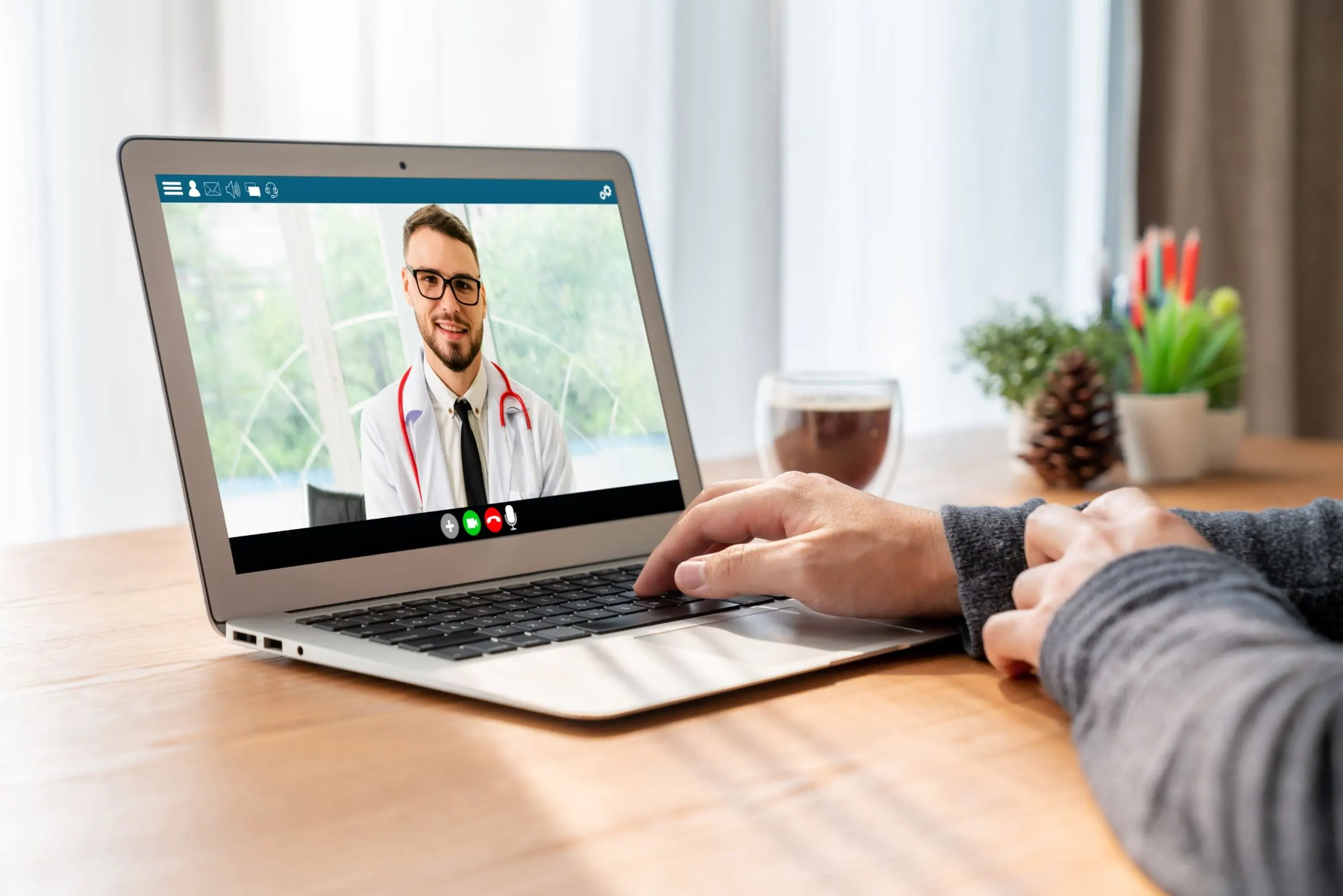
Germany’s healthcare system has long been known for depth and reliability, but it has also carried a reputation for moving cautiously on digital change. That picture has shifted. Since the pandemic years, remote consultations, e-prescriptions, and digital follow-ups have become far more accepted by doctors, insurers, and patients alike. By 2026, Germany stands among Europe’s most important telemedicine markets, helped by strong reimbursement rules, widespread internet access, and a public health system that can scale proven services quickly. What makes Germany particularly interesting is that telemedicine here is no longer a niche convenience tool. It is becoming part of mainstream care delivery. A patient with hypertension can upload readings from home, a parent can speak to a pediatrician by video, and a rural resident can consult a city-based specialist without spending half a day traveling. Those practical use cases matter more than hype.
What’s Driving the Telemedicine Market in Germany?
Aging Population and Long-Term Care Needs
Germany has one of Europe’s oldest populations, and that reality changes healthcare demand. Older adults typically need more frequent consultations, medication reviews, and ongoing management for conditions such as diabetes, heart disease, or arthritis. Requiring every interaction to happen in person is costly and often inconvenient. Remote care solves part of that problem. Follow-up appointments, routine check-ins, and monitoring can happen from home. In practice, this reduces strain on clinics while making life easier for patients and caregivers. It is not a replacement for physical treatment, but for many recurring interactions it is simply the better format.
Doctor Shortages Outside Major Cities
Berlin, Munich, and Hamburg attract specialists. Smaller towns do not always have that advantage. Many regions continue to deal with shortages of general practitioners and long waits for specialist appointments. This is where telemedicine has clear economic value. A dermatologist in Frankfurt can assess non-urgent cases remotely. A psychiatrist can maintain regular sessions with patients living hours away. Rural healthcare access has been a policy concern for years, and digital consultations offer one of the few scalable responses. The challenge, of course, is ensuring elderly or less tech-savvy patients are not left behind.
Patients Now Expect Convenience
Consumer habits have changed faster than some healthcare providers anticipated. Germans now manage banking, travel, insurance, and shopping through mobile apps. Healthcare was unlikely to remain an exception forever. Younger professionals often prefer a video consultation for minor illnesses rather than taking half a day off work. Parents value quick pediatric advice. Even older users, once hesitant, have become more comfortable with digital tools when the process is simple. Convenience alone does not build a market, but it certainly accelerates adoption.
Government-Led Initiatives Supporting Telehealth
Policy support has been one of Germany’s strongest advantages. The Digital Healthcare Act helped legitimize remote care by allowing approved digital health applications to enter reimbursement pathways. Statutory insurers have also broadened coverage for teleconsultations in several categories. Electronic patient records and e-prescriptions are gradually reducing administrative friction, though progress has not always been smooth. Germany still tends to regulate carefully, sometimes slowly. Yet once standards are in place, providers and investors gain confidence. That stability often matters more than speed.
Market Competition and Service Landscape
The market includes insurer-backed platforms, independent telehealth providers, hospital networks, and specialist digital clinics. Competition is strongest in primary care, mental health, dermatology, and women’s health. Some platforms compete on speed, promising appointments within minutes. Others focus on continuity of care or integration with insurers. A common challenge in crowded segments is patient retention. Acquiring users through ads is expensive, so providers that build trust and repeat usage usually perform better than those relying on aggressive marketing.
Data Privacy and Legacy Systems
Germany takes medical privacy seriously, and many patients appreciate that. Still, strict compliance rules can slow product launches and make cross-provider data sharing cumbersome. Hospitals and clinics often use older software systems that do not communicate well with newer platforms. On the ground, this means doctors may still duplicate records or switch between systems. That wastes time. Telemedicine demand exists, but smoother interoperability remains essential if the sector wants to move beyond isolated digital services.
Future Outlook
By 2035, telemedicine in Germany will likely be routine rather than novel. Video triage may become the first touchpoint for many non-emergency cases. Remote monitoring should gain real traction in cardiac care, diabetes, respiratory treatment, and elderly support. The winners may not be the loudest apps, but the companies that blend seamlessly into existing healthcare workflows. Patients generally do not want another standalone platform; they want care that works without friction. Germany has the funding base, insurance structure, and patient need to make that happen.
Consultants at Nexdigm, in their latest publication “Germany Telemedicine Market Outlook to 2035”, analyzed the market by Service Type (Video Consultation, Remote Monitoring, Tele-ICU, E-Prescription, Mental Health), By End User (Hospitals, Clinics, Homecare Patients, Employers, Insurers), and By Modality (Mobile Apps, Web Platforms, Integrated Provider Systems). Nexdigm believes businesses should focus on secure interoperable tools, chronic care pathways, insurer partnerships, and user-friendly digital experiences.
To take the next step, simply visit our Request a Consultation page and share your requirements with us.
Harsh Mittal
+91-8422857704