
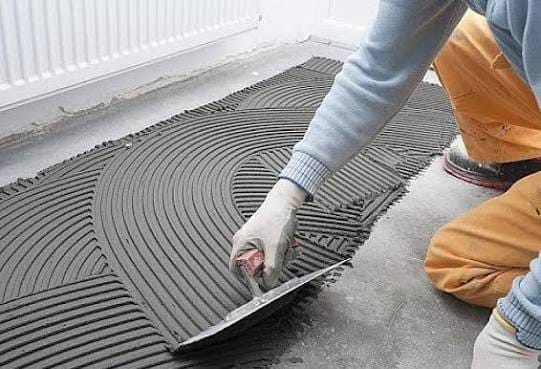
Germany’s tile adhesives market is quietly playing a crucial role in the transformation of homes, offices, hotels, and public infrastructure across the country. As one of Europe’s largest construction economies, Germany generates over €150 billion in annual construction activity, creating substantial demand for reliable installation materials. From residential bathroom renovations to large-scale commercial projects, tile adhesives have become essential for ensuring durability, aesthetics, and long-term performance. Growing interest in sustainable buildings, energy-efficient renovations, and premium interior finishes is further encouraging the adoption of advanced tile adhesive solutions throughout the German construction sector.
Market Drivers Advancing the Germany Tile Adhesives Industry
Germany’s Renovation Boom Is Driving Adhesive Consumption
A significant portion of Germany’s housing stock consists of older properties that require modernization and refurbishment. Homeowners are increasingly upgrading kitchens, bathrooms, balconies, and living spaces with ceramic, porcelain, and natural stone tiles to improve both functionality and property value. Modern renovation projects are also favoring large-format tiles, which require high-performance adhesives capable of handling greater weight and reducing installation failures. This shift is creating strong demand for polymer-modified and flexible tile adhesive products across the country.
Expanding Commercial Construction Across Germany Creates New Opportunities
Germany continues to invest heavily in commercial developments, including office spaces, retail complexes, healthcare facilities, hotels, and logistics centers. These projects require extensive tiling applications for floors, walls, and specialized environments where durability is critical. Additionally, transportation infrastructure upgrades and urban redevelopment projects are increasing the need for advanced construction materials. With Germany maintaining one of the largest construction markets in Europe, tile adhesive manufacturers continue to benefit from a steady pipeline of new projects.
Sustainable Building Practices Are Transforming Material Preferences
Environmental responsibility has become a key purchasing factor for German builders and contractors. Low-VOC products, environmentally friendly formulations, and energy-efficient building materials are increasingly preferred throughout the construction value chain. As green building certifications gain popularity, manufacturers are introducing eco-friendly adhesive solutions that offer strong bonding performance while reducing environmental impact. These sustainable products are becoming an important differentiator in the Germany tile adhesives industry.
Government Initiatives Supporting the Germany Tile Adhesives Industry
Germany’s commitment to sustainable construction is creating favorable conditions for tile adhesive demand. Government-backed renovation programs and financing initiatives encourage property owners to improve building efficiency and upgrade aging infrastructure. Organizations such as KfW support energy-efficient refurbishment projects, many of which involve tiling and surface renovations. At the same time, Germany’s broader carbon-reduction goals are encouraging the adoption of environmentally responsible construction materials, including advanced tile adhesive products.
Competitive Landscape of the Germany Tile Adhesives Industry
The market features intense competition among established international and domestic suppliers. Leading companies such as Sika, MAPEI, Ardex Group, Saint-Gobain Weber, and PCI Augsburg continue to invest in product innovation, sustainability, and distribution expansion. Manufacturers are focusing on rapid-setting, flexible, and eco-friendly adhesive technologies to meet evolving customer expectations. Strong relationships with contractors, distributors, and construction firms remain essential for maintaining market leadership.
Challenges Facing Germany’s Tile Adhesives Industry
Rising Raw Material and Energy Costs Impact Manufacturers
Tile adhesive producers remain vulnerable to fluctuations in the prices of cement, polymers, additives, and energy. Increased manufacturing and transportation expenses can place pressure on profit margins while limiting pricing flexibility in a competitive marketplace.
Skilled Labor Shortages Slow Construction Activities
Germany’s construction industry continues to face shortages of qualified workers across various trades. Delays in residential and commercial projects can affect tile installation schedules and, consequently, demand for tile adhesives. Labor constraints also contribute to higher project costs and longer completion timelines.
Future Outlook
The outlook for Germany’s tile adhesives market remains positive as construction modernization, infrastructure expansion, and sustainability initiatives continue to advance. Demand for large-format tiles, high-strength adhesive technologies, and environmentally friendly formulations is expected to increase steadily. Manufacturers that prioritize innovation, low-emission products, and improved installation efficiency will be well-positioned for future growth. As Germany continues investing in energy-efficient buildings and urban development projects, the tile adhesives industry is likely to experience sustained long-term opportunities across both residential and commercial sectors.
Consultants at Nexdigm, in their latest publication “Germany Tile Adhesives Market Outlook to 2035” analyze the sector By Adhesive Technology (Epoxy Adhesives, Flow-Bed Adhesives and Medium-Bed Adhesives), By Tile and Covering Type (Ceramic Wall Tiles, Stoneware Tiles and Marble) and By Application (Kitchen Tiling, Bathroom and Wet-Room Tiling).
Nexdigm suggests that businesses in “Germany Tile Adhesives Industry” focusses on oilfield, desalination, construction, and industrial applications, strengthen local warehousing, develop application-specific grades, improve technical support, and build resilient sourcing networks to serve expanding energy, water, and manufacturing demand.
To take the next step, simply visit our Request a Consultation page and share your requirements with us.
Harsh Mittal
+91-8422857704