
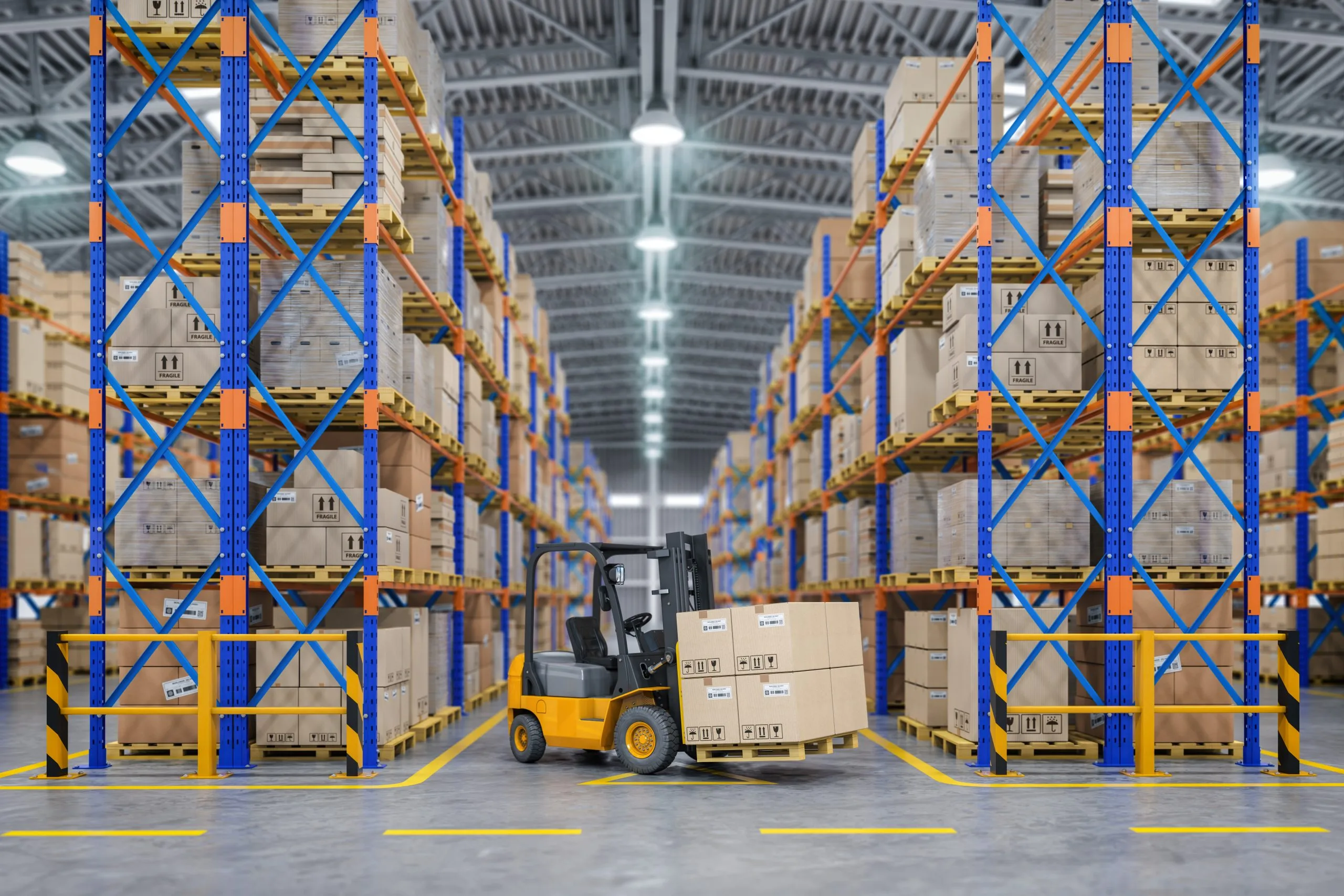
The warehousing sector in Germany is positioned for continued expansion through 2035, supported by its central role in European logistics and strong demand from e‑commerce and industrial supply chains. As one of Europe’s key logistics hubs, Germany accounts for a significant share of warehousing activity and is adapting facilities to meet demand for specialized services such as cold storage and automated distribution. Recent analyses indicate the market will grow at a robust pace, reflecting evolving consumption patterns and supply chain optimization efforts among manufacturers and retailers.
Key Factors Fueling Growth in the German Warehousing Market
E‑commerce Growth
The rapid expansion of online retail is a principal driver of warehousing demand in Germany. Higher consumer expectations for fast delivery and efficient inventory management have increased the need for urban fulfilment centres and larger distribution hubs. Industry estimates show the wider e‑commerce logistics market could more than double by 2035 on current trends, stimulating warehousing requirements.
Supply Chain Modernization
German companies are investing in advanced warehouse technologies such as automation, robotics, and digital management systems to enhance throughput and reduce operating costs. This shift aligns with broader logistics digitalization trends, where platform adoption is projected to rise significantly by 2035 across transport and storage networks.
Cold Chain and Specialized Storage
Demand for temperature‑controlled warehousing is increasing due to growth in sectors like pharmaceuticals and perishables. Cold storage segments are projected to be among the fastest‑growing within the warehousing industry as businesses seek facilities capable of handling complex supply chain requirements.
Government Policies and Initiatives Driving the Growth of Germany’s Warehousing Sector
Germany’s regulatory framework supports logistics efficiency improvements and sustainability initiatives within warehousing and transportation infrastructure. Policies encouraging digitalization, energy‑efficient buildings, and streamlined customs processes enhance the operational environment for logistics service providers and warehouse operators.
Overview of Key Players and Market Dynamics in Germany’s Warehousing Sector
The warehousing sector in Germany comprises a mix of domestic and international logistics firms and real estate investors. Larger service providers such as Deutsche Post DHL, DB Schenker and specialized third‑party logistics operators maintain significant market positions, while institutional investors and developers continue to expand modern facilities in key logistics corridors across the country.
Key Challenges Impacting the Growth of Germany’s Warehousing Market
Infrastructure Constraints
Urban congestion and limited availability of logistics land parcels in core regions can constrain new warehouse development, leading to higher rents and competitive pressure for prime space.
Cost Pressures
Rising labour, energy, and regulatory compliance costs, including stringent environmental standards, create operational challenges for warehousing operators adjusting tighter margins and investment costs for technology upgrades.
Future Outlook
The outlook for Germany’s warehousing market to 2035 remains generally positive, driven by ongoing e‑commerce penetration and broader supply chain transformations. Key trends will include increased automation, expansion of cold chain capacity, and integration of sustainability practices in facility operations. Projections from market research indicate that warehousing revenues could grow substantially through the decade, reflecting both domestic demand and Germany’s strategic role as a logistics gateway for European trade flows. Continued investment in infrastructure and digital solutions will be critical for meeting long‑term market needs.
Consultants at Nexdigm, in their latest publication “Germany Warehousing Market Outlook to 2035,” analyze the sector by System Type (Automated Storage and Retrieval Systems, Cold Storage Warehousing Systems, Distribution Warehousing Systems, Bulk Storage Warehousing Systems), By Platform Type (E-commerce Fulfillment Warehouses, Retail Distribution Warehouses, Industrial Manufacturing Warehouses, and By Fitment Type (Urban Fulfillment Warehouses, Suburban Distribution Warehouses, Regional Logistics Warehouses. Nexdigm suggests that businesses should adapt to evolving consumer behaviors and technological advancements by investing in digital solutions, improving supply chain visibility, and leveraging automation to enhance operational efficiency.
To take the next step, simply visit our Request a Consultation page and share your requirements with us.
Harsh Mittal
+91-8422857704