
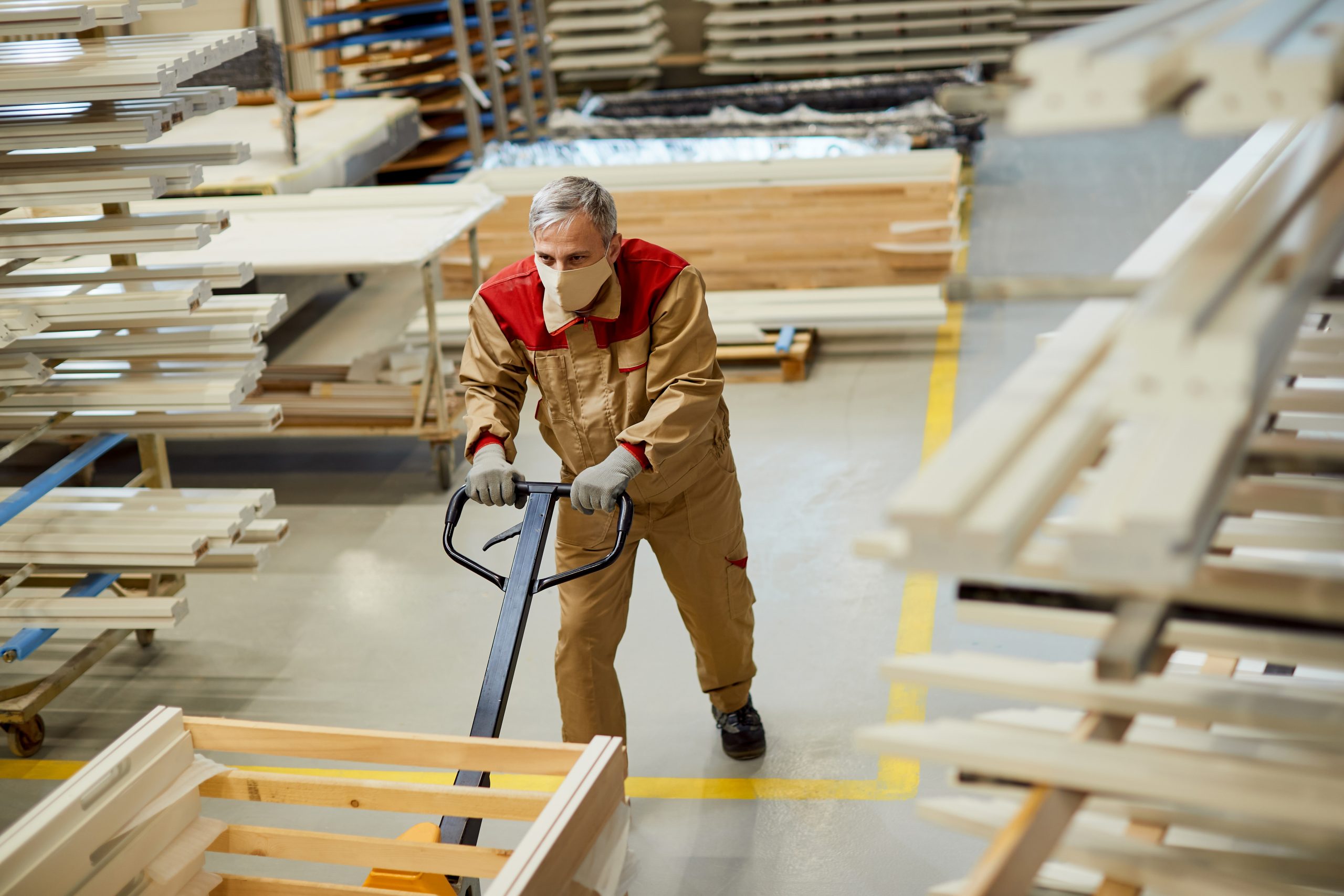
Germany is one of Europe’s most established wood processing markets, supported by a mature furniture industry, advanced manufacturing infrastructure, and abundant forestry resources. Demand for wood-based panels is driven by applications across furniture production, flooring, interior fit-outs, cabinetry, and timber construction. The country maintains a strong industrial foundation through large-scale particleboard, MDF, and OSB manufacturing facilities. Additionally, key regions such as Bavaria, North Rhine-Westphalia, Baden-Württemberg, and Lower Saxony contribute significantly to wood harvesting and processing activities. Growing emphasis on sustainable construction and circular wood utilization continues to support market development.
Market Drivers Advancing the Germany Wood Based Panel Growth
Strong Furniture Manufacturing Industry
Germany furniture sector remains a major consumer of wood-based panels, including particleboard, MDF, and plywood. The industry generated approximately EUR 16.3 billion in revenue, highlighting the continued importance of wood-derived materials in furniture manufacturing. Modern furniture producers increasingly prefer engineered wood panels due to their cost efficiency, durability, and design flexibility. Rising demand for customized furniture and interior solutions further strengthens panel consumption across residential and commercial applications.
Abundant Forestry Resources and Timber Availability
Germany possesses one of Europe’s strongest forestry ecosystems, ensuring a reliable supply of timber raw materials. National timber harvesting reached approximately 61.2 million cubic meters, supporting a well-developed wood-processing value chain. Bavaria alone contributed around 20.7 million cubic meters of harvested timber, while Baden-Württemberg accounted for nearly 10.0 million cubic meters. This extensive resource base enables manufacturers to maintain stable production levels and reduce supply chain risks.
Rising Adoption in Sustainable Construction
The increasing use of timber and engineered wood products in construction is creating new opportunities for wood-based panel manufacturers. Architects and developers are incorporating wood panels into walls, flooring systems, roofing structures, and interior applications to meet sustainability goals. Growing awareness of carbon-efficient building materials and energy-efficient construction practices is expected to further enhance demand for wood-based panels throughout Germany building sector.
Government Initiatives Supporting Germany Wood Based Panel Industry
The German government actively promotes sustainable forest management, resource efficiency, and circular economy principles. Programs supporting climate-friendly construction and renewable building materials encourage greater utilization of wood products in residential and commercial developments. Forestry conservation policies also ensure responsible timber harvesting practices, helping maintain long-term raw material availability for the wood processing industry. These initiatives support both environmental objectives and industrial competitiveness within the sector.
Competitive Landscape of Germany Wood Based Panel Sector
The Germany wood-based panel market is characterized by the presence of established domestic and international manufacturers specializing in particleboard, MDF, OSB, plywood, and specialty engineered panels. Companies compete through product quality, sustainable sourcing practices, technological innovation, and production efficiency. Strategic investments in advanced manufacturing facilities and environmentally responsible products continue to shape market competition. Strong supplier networks and proximity to forestry resources provide additional competitive advantages for leading players.
Challenges Impacting Germany Wood Based Panel Industry
Declining Residential Construction Activity
Germany residential completions declined from approximately 294,000 units to 251,900 units, affecting demand for construction-related wood panel products. Lower housing activity can temporarily reduce panel consumption in flooring, cabinetry, and structural applications.
Raw Material and Energy Cost Pressures
Wood panel manufacturers continue to face challenges related to fluctuations in timber availability, transportation costs, and energy prices. Since panel production is energy-intensive, rising operational expenses may impact profitability and pricing strategies across the industry.
Future Outlook
The future of Germany wood-based panel market remains positive, supported by sustainable construction trends, strong furniture manufacturing activity, and a well-established forestry sector. Continued investment in engineered wood technologies and environmentally friendly production processes is expected to enhance product innovation and market competitiveness. Growing demand for renewable building materials, coupled with Germany commitment to carbon reduction and resource efficiency, will likely create long-term growth opportunities. The country’s extensive timber resources and advanced manufacturing capabilities position the market for sustained development over the coming years.
Consultants at Nexdigm, in their latest publication “Germany Wood Based Panel Market Outlook to 2035,” analyze the sector By (Market Definitions and Assumptions, Wood Based Panel Classification, HS Code Mapping, Particleboard Assessment, MDF and HDF Assessment, OSB Assessment, Plywood Assessment,).
Nexdigm suggests that businesses in the Germany Wood Based Panel Industry emphasize circular economy practices, develop low-emission panel solutions, leverage demand for energy-efficient building materials, and align product portfolios with sustainability-focused procurement trends across construction and industrial applications.
To take the next step, simply visit our Request a Consultation page and share your requirements with us.
Harsh Mittal
+91-8422857704