
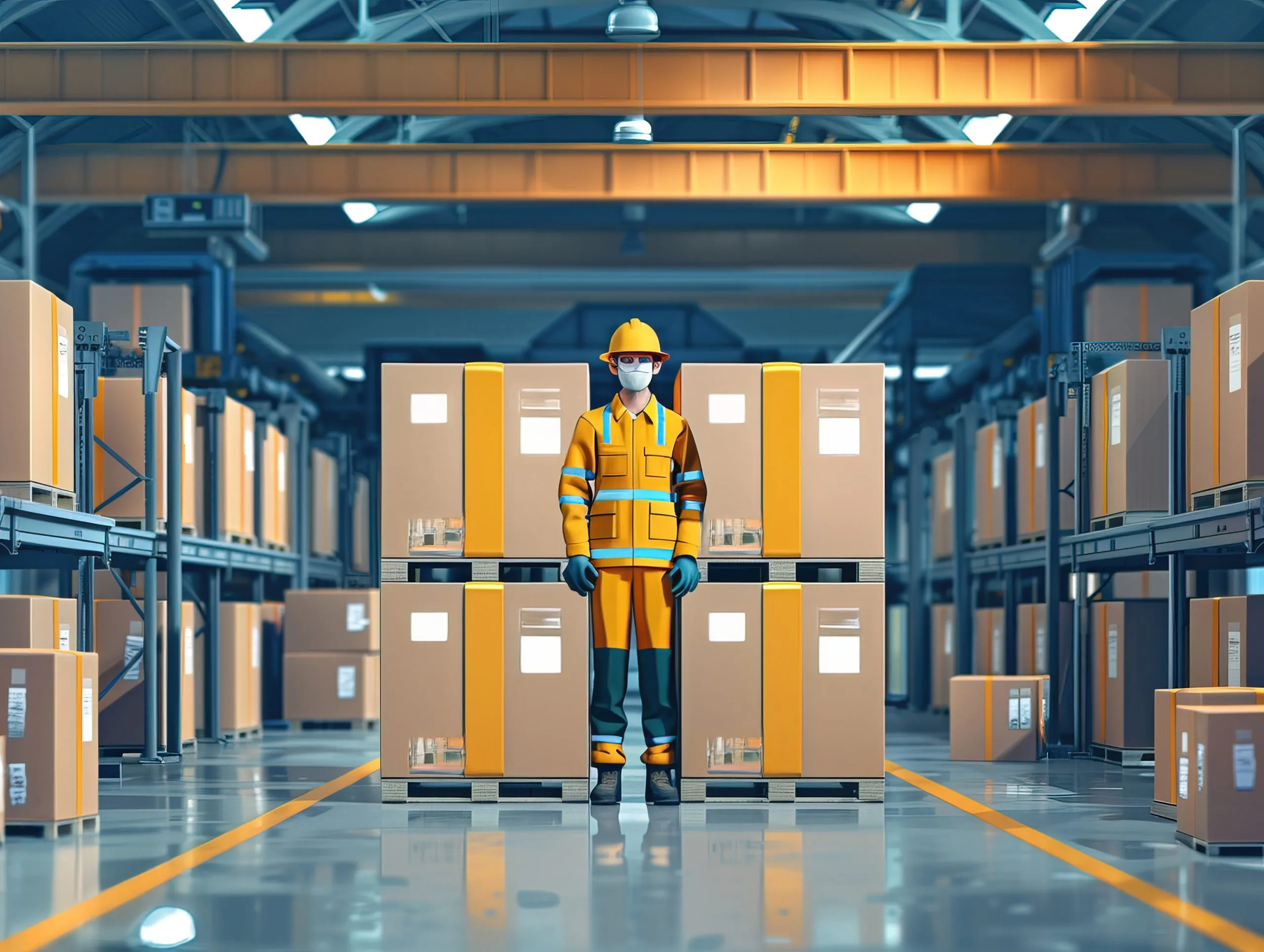
The Germany third‑party logistics (3PL) market—central to the nation’s position as a European trade hub—is poised for sustained growth through 2035. Driven by robust demand for outsourced supply chain services, expanding e‑commerce, and technological integration, this sector plays an increasingly strategic role in freight, warehousing, and distribution. Recent estimates project the market to expand significantly over the next decade, with strong compound annual growth rates reflecting rising logistics, complexity and outsourcing trends.
Key Factors Driving Growth in the Germany 3PL Market
E‑commerce Expansion
Rapid growth in online retail is one of the most significant drivers of Germany’s 3PL market. As consumers increasingly demand fast, flexible delivery options, logistics providers are enhancing infrastructure for last‑mile delivery, automated sorting centers and integrated distribution systems. The acceleration of e‑commerce has forced companies to outsource complex logistics operations to specialist 3PLs to maintain service levels and manage cost pressures.
Technological Integration & Innovation
Adoption of advanced technologies like warehouse automation, artificial intelligence (AI), robotics and data analytics is reshaping operational efficiency. Approximately 60 % of logistics firms in Germany have integrated some form of automation, resulting in notable productivity gains. These technologies support predictive demand forecasting, optimize route planning, and improve inventory accuracy—making 3PL services more agile and cost‑effective.
Sustainability and Green Logistics
Environmental considerations are elevating demand for eco‑friendly logistics solutions. A growing number of providers are investing in electric vehicles, alternative fuels, and energy‑efficient warehousing to reduce carbon footprints in compliance with stricter regulatory standards and customer expectations. Sustainability initiatives often translate into competitive differentiation and long‑term operational savings.
Government Policies and Initiatives Supporting the Germany 3PL Market
The German government supports logistics modernization through infrastructure investments and sustainability policies focused on reducing emissions across transport and warehousing sectors. National and EU frameworks prioritize digitalization of freight corridors and green transport solutions, indirectly benefiting 3PL providers that adopt compliant, efficient technologies.
Overview of Key Players and Competition in the Germany 3PL Market
The Germany 3PL market is competitive and fragmented, with both domestic and international operators vying for share. Leading players such as Deutsche Post DHL, Kuehne + Nagel, DB Schenker, and Hellmann Worldwide Logistics leverage extensive networks and diversified service portfolios to maintain market presence. Strategic expansions, technology partnerships, and service innovation are common competitive tactics.
Key Challenges Impacting the Growth of the Germany 3PL Market
Supply Chain Volatility
Global trade uncertainties and geopolitical tensions can disrupt logistics flows, affecting cross‑border freight volumes and cost structures. Instances of fluctuating tariffs and trade policy shifts increase operational complexity for 3PL providers.
Labor and Cost Pressures
Shortages of skilled logistics personnel and rising labour costs challenge efficient service delivery. Providers must balance automation investments against wage inflation to sustain profitability.
Future Outlook
From 2025 through 2035, Germany’s 3PL market is projected to grow at a strong pace, with some forecasts indicating a CAGR approaching 8 % and the market size potentially doubling by 2035. Continued e‑commerce expansion, multimodal transport integration, and digital transformation will underpin this growth trajectory. Providers that invest in AI, green logistics, and real‑time data capabilities are likely to capture disproportionate value. Market consolidation, driven by strategic partnerships and service diversification, may also shape the competitive environment as firms seek scale and efficiency.
Consultants at Nexdigm, in their latest publication “Germany 3PL Market Outlook to 2035,” analyze the sector by System Type (Transportation Management Services, Warehousing and Distribution Services, Freight Forwarding Services, Dedicated Contract Logistics), By Platform Type (Road Transportation Platforms, Rail Freight Logistics Platforms, Air Cargo Logistics Platforms), and By Fitment Type (Asset Based Logistics Solutions, Non Asset Based Logistics Services, Hybrid Logistics Service Models). Nexdigm suggests that businesses should stay ahead of market trends, embrace technological advancements, and adapt to evolving customer needs and regulations. By focusing on innovation and sustainability, companies can enhance their competitiveness and drive long-term growth.
To take the next step, simply visit our Request a Consultation page and share your requirements with us.
Harsh Mittal
+91-8422857704