
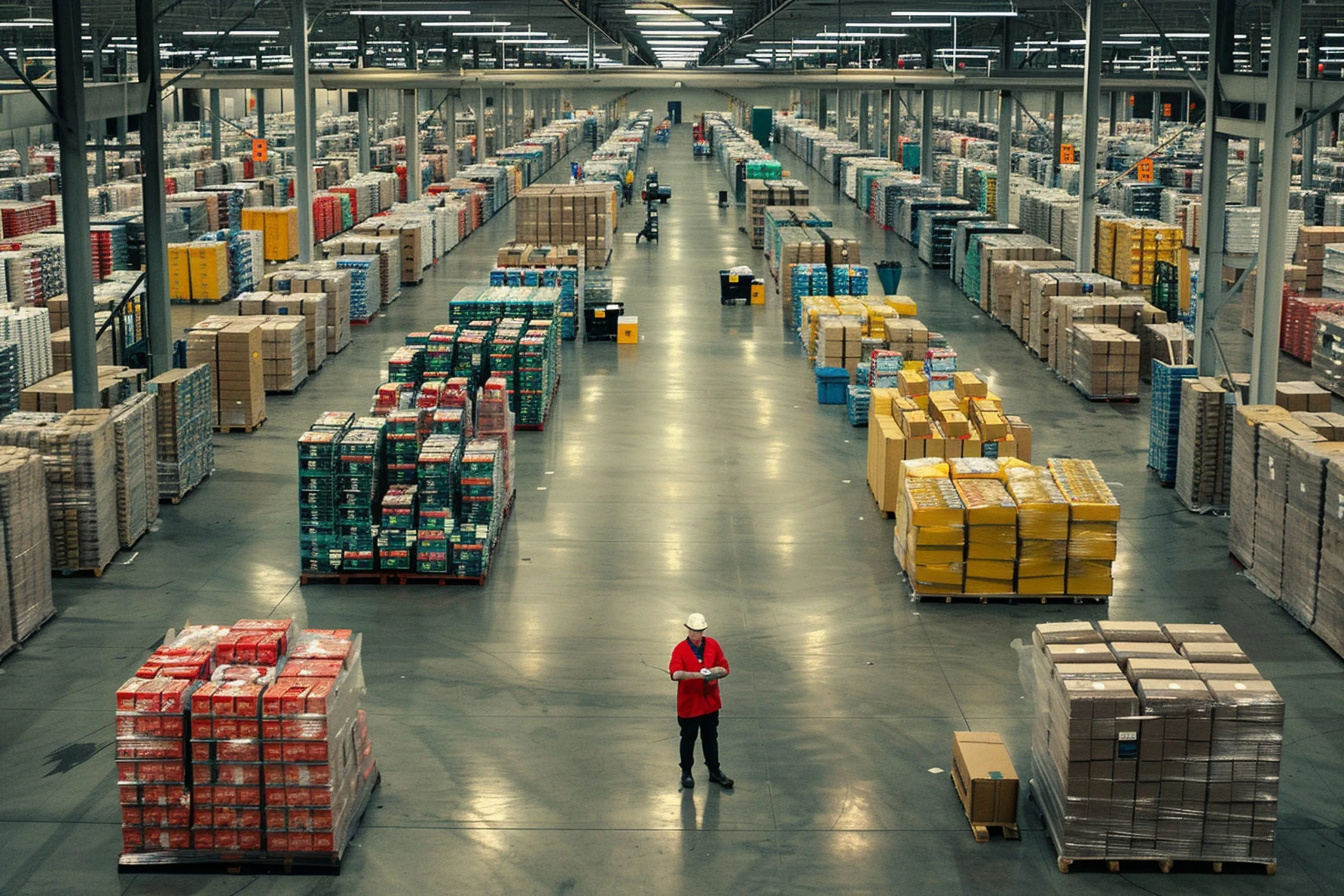
India’s third-party logistics (3PL) market has grown into a key pillar of the country’s supply chain network. Currently valued at around USD 36–38 billion, the sector is expanding rapidly as businesses increasingly outsource logistics to improve efficiency and focus on core operations.
What’s driving this shift is the growing complexity of supply chains, especially with the rise of e-commerce and nationwide distribution demands. Looking ahead, the market could reach nearly USD 78 billion in the coming years, reflecting strong long-term potential. In simple terms, 3PL is no longer just about moving goods, it has become a strategic partner helping businesses scale, adapt, and stay competitive in a fast-changing market.
What’s Driving Growth in India’s 3PL Market?
E-commerce Boom and Surge in Deliveries
The explosive growth of e-commerce in India has significantly increased the demand for logistics services. Logistics networks are under constant pressure to deliver faster and more efficiently. Consumers now expect quick deliveries, easy returns, and real-time tracking all of which rely heavily on 3PL providers. This has made services like warehousing, order fulfilment, and last-mile delivery more critical than ever before.
Businesses Focusing on Core Operations
More companies are choosing to outsource their logistics functions instead of managing them in-house. This allows them to reduce costs, improve flexibility, and benefit from the expertise of specialized 3PL providers. Industries such as retail, FMCG, automotive, and pharmaceuticals are leading this trend, as they require reliable and efficient supply chains to meet growing customer expectations.
Infrastructure Growth and Technology Adoption
India’s logistics landscape is improving with better roads, freight corridors, and warehousing hubs. At the same time, technology is playing a bigger role in making operations smoother.
From automated warehouses to AI-driven route optimization and real-time tracking, 3PL providers are using digital tools to improve speed, accuracy, and transparency. This combination of infrastructure and technology is making logistics more efficient and scalable.
Government Push Strengthening the Logistics Sector in India
The Indian government has been actively working to improve logistics efficiency across the country. Initiatives like the National Logistics Policy aim to reduce logistics costs, which currently stand at about 13–14% of GDP, closer to global benchmarks. Investments in infrastructure, including multi-modal logistics parks and dedicated freight corridors, are improving connectivity and reducing transit times. These efforts are creating a more streamlined logistics ecosystem, making it easier for 3PL providers to operate and expand.
Major Competitors of India 3PL Market
India’s 3PL market is highly competitive and somewhat fragmented, with a mix of large, organized players and smaller regional operators. Companies like Delhivery, Blue Dart, Allcargo Logistics, and TVS Supply Chain Solutions are leading the way in terms of scale and innovation.
At the same time, many smaller players continue to serve niche markets or regional demand. To stay competitive, companies are focusing on expanding their networks, improving service quality, and adopting new technologies.
Challenges Slowing Down India 3PL Market Growth
Infrastructure and Efficiency Gaps
Despite improvements, logistics operations in India still face inefficiencies. Poor coordination, delays, and gaps in infrastructure can increase costs and affect delivery timelines.
Cost Pressures and Fragmentation
High logistics costs and intense price competition remain ongoing challenges. The presence of many small players makes the market highly fragmented, which can limit standardization and efficiency across the sector.
Future Outlook
With a significant growth observed, India’s 3PL market is expected to continue its strong growth trajectory. As e-commerce expands and manufacturing gains momentum, demand for efficient logistics services will only increase. Technology will play a central role in shaping the future, with automation, AI, and data analytics becoming standard across operations. At the same time, consolidation in the market is likely, as larger players acquire smaller ones to build scale and improve efficiency.
In the long run, 3PL providers will move beyond traditional logistics roles to become strategic partners helping businesses build faster, smarter, and more resilient supply chains across India.
Consultants at Nexdigm, in their latest publication India 3PL Market Outlook to 2035 analyze the sector by Fitment Type (Dedicated Contract type logistics, Integrated End to End Logistics Solutions, On demand logistics solutions, Asset light logistics models), by Platform Type (Road logistic platforms, Rail logistics platforms, Multi modal logistics platforms, Air Freight logistic platforms).
Nexdigm suggests that businesses should adopt a proactive and adaptable approach in an increasingly dynamic environment. By investing in digital capabilities, strengthening operational efficiency, and staying aligned with evolving market trends, organizations can better manage risks. Combining strategic planning with local insights enables businesses to build resilience and sustain long-term growth.
To take the next step, simply visit our Request a Consultation page and share your requirements with us.
Harsh Mittal
+91-8422857704