
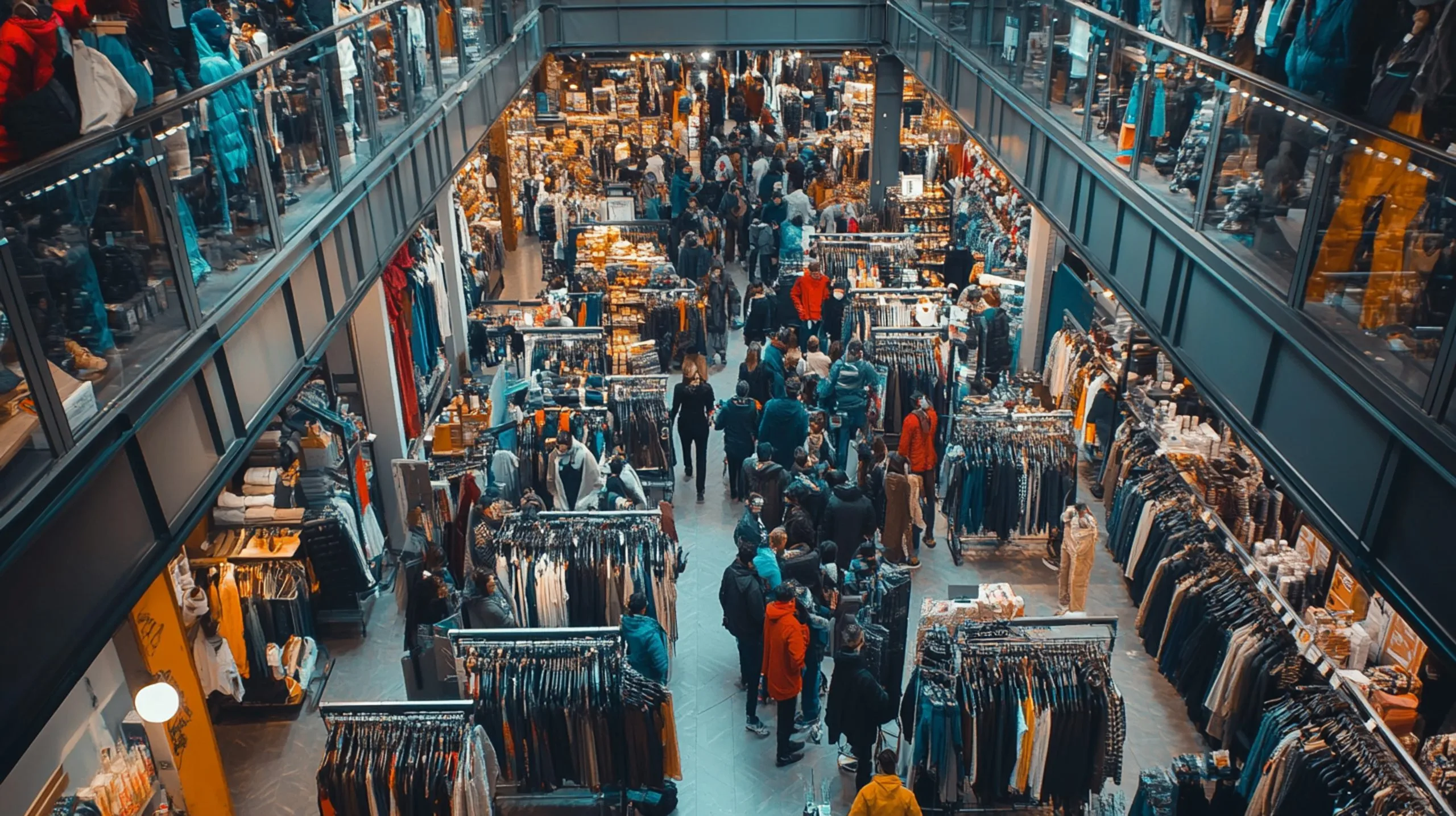
The India apparel market is expanding as consumers across metros, tier-2 cities, and smaller towns spend more on fashion, comfort, occasion wear, workwear, athleisure, and value-led clothing. Apparel demand is being shaped by rising disposable incomes, a young population, digital commerce, brand awareness, and faster fashion cycles. India’s apparel market revenue is estimated at around USD 115 billion, while another market outlook values the sector at USD 108.0 billion and projects it to reach USD 174.7 billion at 8.3% CAGR. Growth is also supported by organized retail, social media influence, and stronger demand for both affordable and premium clothing.
Key market drivers are strengthening apparel demand in India
Rising incomes and a young consumer base are reshaping fashion spending
India has one of the world’s largest young consumer populations, and this is directly influencing apparel demand. Younger shoppers are more willing to experiment with styles, brands, colors, fits, and trend-led collections. Apparel is no longer bought only for basic utility; it is increasingly linked to identity, lifestyle, comfort, workplace needs, festive occasions, fitness, travel, and social expression. As household incomes rise, consumers are purchasing more frequently across casualwear, ethnicwear, denim, sportswear, innerwear, and premium fashion. Women’s apparel alone is estimated at USD 53.13 billion, showing the scale of opportunity across ethnic, western, fusion, workwear, and occasion-led categories.
E-commerce and omnichannel retail are widening market access
Digital commerce has changed how Indian consumers discover, compare, and buy apparel. Online platforms, fashion marketplaces, direct-to-consumer brands, influencer-led discovery, and social commerce have made fashion more accessible beyond major cities. At the same time, offline retail remains important because consumers still value fit checks, fabric feel, trials, and immediate purchase satisfaction. This has pushed brands to build omnichannel models where online convenience and offline experience work together. West India accounts for 35.4% of apparel market revenue, reflecting strong demand from urbanized and retail-intensive states. Similar growth is now emerging across tier-2 and tier-3 cities.
Premiumization and comfort-led fashion are changing product demand
Consumers are showing stronger interest in better fabrics, improved fits, sustainable materials, occasion-specific clothing, athleisure, and everyday comfort. Brands that combine style, affordability, durability, and inclusivity are gaining stronger attention across income groups.
Government textile and manufacturing initiatives are supporting market expansion
Government initiatives around textile manufacturing, production-linked incentives, mega textile parks, export promotion, skill development, and domestic value-chain strengthening are supporting India’s apparel market. These measures aim to improve manufacturing competitiveness, attract investment, create jobs, strengthen fiber-to-fashion capabilities, and expand India’s presence in global apparel trade. Support for technical textiles, integrated textile parks, and MSME participation also benefits fabric suppliers, garment manufacturers, and apparel brands. As domestic demand grows alongside export opportunities, policy support can help improve scale, productivity, quality, and supply-chain resilience across the apparel ecosystem.
Competitive landscape is expanding across value, premium, and digital-first brands
The India apparel market includes large domestic brands, international fashion retailers, ethnicwear specialists, sportswear companies, innerwear players, value fashion chains, luxury labels, e-commerce platforms, and direct-to-consumer brands. Competition is shaped by price, trend speed, fabric quality, fit, brand identity, retail reach, online visibility, and customer experience. Fast fashion, ethnic fusion, athleisure, premium basics, and sustainable collections are gaining attention. Companies that combine strong design, reliable sourcing, regional sizing, inclusive collections, influencer marketing, and omnichannel distribution are better positioned to build loyalty in a highly fragmented market.
Market challenges continue to affect margins and brand consistency
Price sensitivity and discounting pressure remain high
Indian apparel consumers are value-conscious, and frequent discounting across online and offline channels can pressure margins. Brands must balance affordability with quality, design, and profitability.
Supply chain complexity affects speed and quality
Raw material volatility, fragmented manufacturing, inventory risks, sizing inconsistency, and logistics challenges can affect product availability and customer satisfaction. Faster trend cycles also make demand forecasting more difficult.
Future outlook
The future outlook for the India apparel market remains positive, supported by rising incomes, youth-led fashion demand, women’s apparel growth, digital commerce, organized retail, premiumization, and export-oriented manufacturing. India’s domestic apparel industry is expected to move toward a USD 150 billion opportunity, while broader market estimates suggest growth toward USD 174.7 billion. Opportunities are expected across women’s wear, ethnicwear, casualwear, athleisure, innerwear, kidswear, sustainable apparel, plus-size clothing, and premium basics. Businesses that combine affordability, design freshness, fit accuracy, supply-chain agility, and omnichannel engagement will be better placed for long-term growth.
Consultants at Nexdigm, in their latest publication “India apparel market outlook to 2035,” analyze the sector By Product Category (Men’s Wear, Women’s Wear, Kids Wear, Unisex Apparel), By Apparel Type (Innerwear and Loungewear, Sportswear and Activewear, Casual Wear)
Nexdigm suggests that businesses in the India apparel market should focus on affordable, trend-responsive, and quality-led clothing solutions that support demand for everyday fashion, ethnicwear, casualwear, workwear, athleisure, and occasion-led apparel.
To take the next step, simply visit our Request a Consultation page and share your requirements with us.
Harsh Mittal
+91-8422857704