
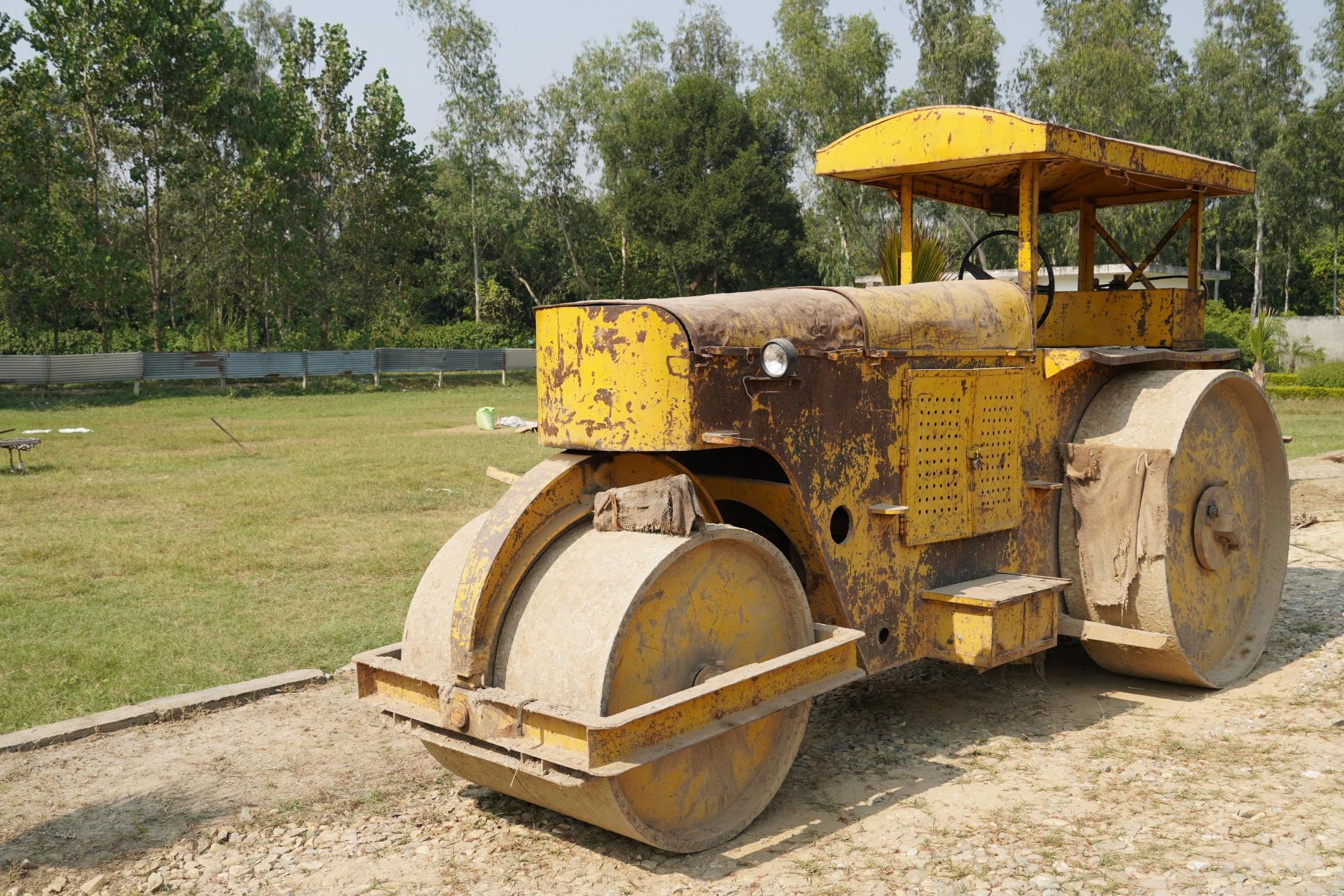
The India composite rollers market is witnessing steady growth as industries increasingly adopt lightweight, corrosion-resistant, and high-performance components to improve operational efficiency. Composite rollers are widely used in printing, packaging, paper processing, textile manufacturing, and renewable energy equipment due to their durability and reduced maintenance requirements. India’s expanding manufacturing sector, supported by industrial automation and modernization initiatives, is creating favorable conditions for composite roller adoption. Growing investments in advanced production technologies and demand for higher machine speeds are further encouraging manufacturers to replace conventional metallic rollers with composite alternatives across various industrial applications.
Market Drivers Advancing the India Composite Rollers Growth
Rising Demand from Packaging and Printing Industries
India packaging industry is expanding rapidly due to growing e-commerce activity, organized retail, and increasing consumer demand for packaged products. Composite rollers offer superior corrosion resistance, lower weight, and enhanced speed performance, making them an attractive option for packaging and printing machinery. Their ability to improve production efficiency and reduce downtime is encouraging widespread adoption.
Expansion of Industrial Manufacturing Activities
India continues to strengthen its manufacturing ecosystem through investments in industrial corridors, production facilities, and automation technologies. Major industrial hubs such as Maharashtra, Gujarat, Tamil Nadu, Karnataka, and Delhi NCR are witnessing growing demand for advanced machinery components. Composite rollers help manufacturers achieve improved precision, lower operational costs, and enhanced machine productivity, supporting higher adoption rates across engineering, automotive, and processing industries.
Growing Focus on Energy Efficiency and Sustainability
Industries are increasingly prioritizing sustainable operations and energy-efficient equipment. Composite rollers are significantly lighter than traditional steel rollers, reducing energy consumption during machine operations. Their longer lifespan and lower maintenance requirements help companies optimize operational performance while supporting sustainability objectives. The increasing use of composite materials in renewable energy equipment manufacturing is expected to create additional growth opportunities for market participants.
Government Initiatives Supporting India Composite Rollers Industry
The Indian government’s focus on strengthening domestic manufacturing through initiatives such as Make in India, the National Infrastructure Pipeline, and Production-Linked Incentive (PLI) schemes is indirectly supporting demand for advanced industrial components. Investments in industrial automation, smart factories, transportation infrastructure, and renewable energy projects are creating favorable conditions for composite roller manufacturers. Additionally, efforts to improve ease of doing business and attract foreign investments continue to support industrial expansion across key manufacturing regions.
Competitive Landscape of India Composite Rollers Sector
The market is moderately fragmented, with a mix of domestic manufacturers and international suppliers competing on product quality, customization capabilities, material innovation, and after-sales support. Companies are investing in research and development to introduce lightweight, durable, and application-specific composite roller solutions. Strategic partnerships with industrial equipment manufacturers and expansion of distribution networks remain key competitive strategies in the market. Increasing localization of production is also helping companies strengthen their market presence.
Challenges Impacting India Composite Rollers Industry
High Initial Product Costs
Composite rollers generally have higher upfront costs compared to conventional metallic rollers. Small and medium-sized enterprises may hesitate to invest despite the long-term operational benefits and maintenance savings offered by composite alternatives.
Limited Awareness in Traditional Industries
Several end-user industries continue to rely on conventional roller technologies due to familiarity and established procurement practices. Limited awareness regarding the performance advantages and lifecycle cost benefits of composite rollers can slow adoption rates in certain industrial segments.
Future Outlook
The Future India composite rollers market remains positive, supported by industrial modernization, automation trends, and growing demand for efficient manufacturing equipment. Expanding applications across packaging, textiles, paper processing, engineering, and renewable energy sectors are expected to drive market growth over the coming years. As manufacturers increasingly focus on productivity enhancement, energy efficiency, and equipment reliability, demand for advanced composite roller solutions is likely to strengthen. Continued investments in manufacturing infrastructure and technological innovation will further support the market’s long-term development.
Consultants at Nexdigm, in their latest publication “India Composite Rollers Market Outlook to 2035,” analyze the sector By (Market Definition and Scope, India Composite Rollers Market Classification, Composite Roller Technology Mapping, Carbon Fiber Composite Roller Assessment,).
Nexdigm suggests that businesses in the India Composite Rollers Industry focus on developing cost-effective, high-strength, and application-specific roller solutions to address growing industrial demand. Investing in advanced materials, expanding regional distribution networks, and strengthening customer relationships can help companies enhance operational efficiency and achieve sustained market growth.
To take the next step, simply visit our Request a Consultation page and share your requirements with us.
Harsh Mittal
+91-8422857704