
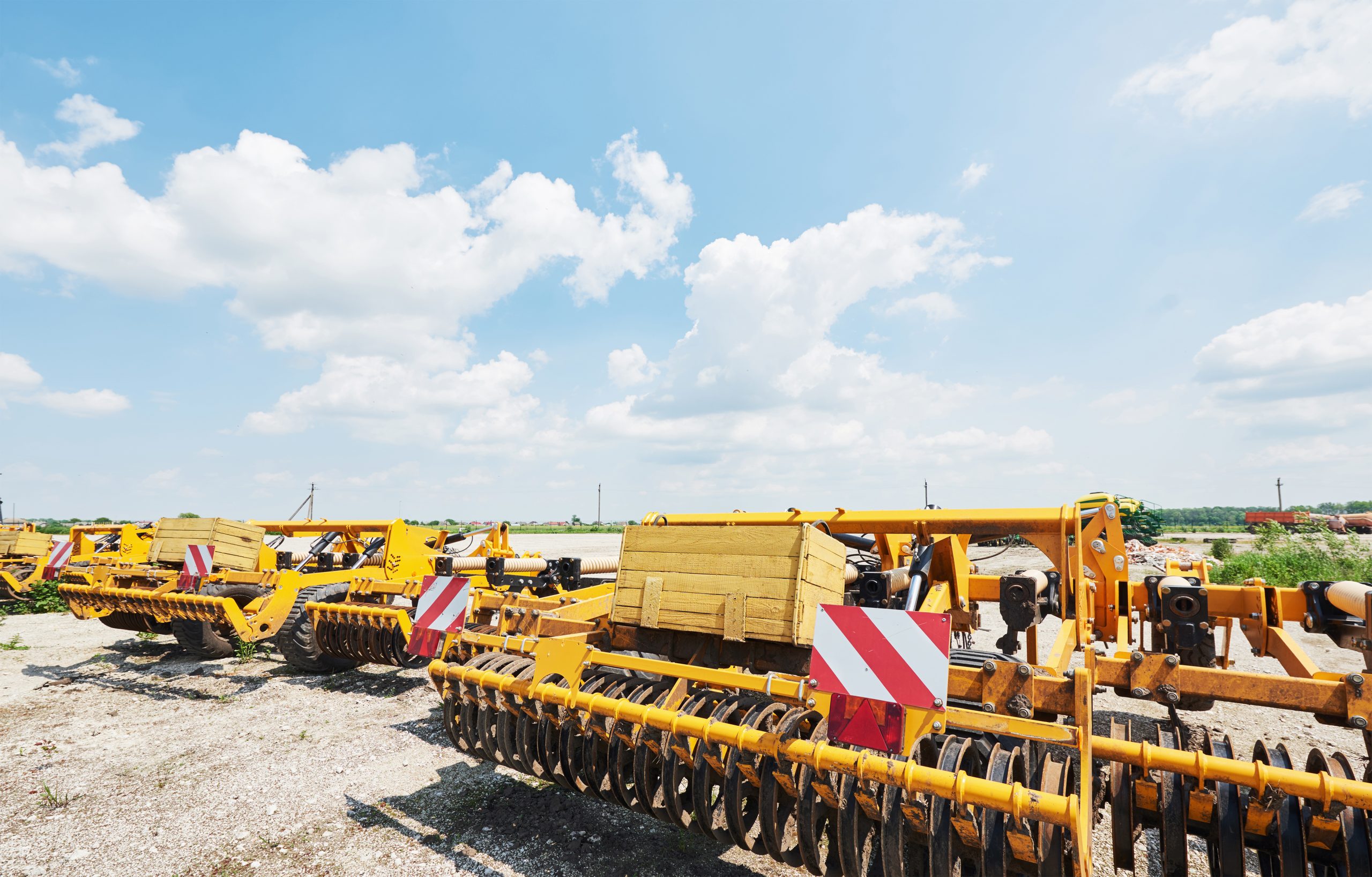
The India construction equipment market is expanding rapidly, supported by strong infrastructure investments, accelerated urbanization, and increasing adoption of advanced machinery. The market was valued at approximately USD 12.4 billion and is projected to reach nearly USD 27.8 billion, growing at a robust 8.4% CAGR. Rising demand for earthmoving, roadbuilding, and material-handling equipment is being driven by large-scale transportation, industrial, and urban development projects. Additionally, technological advancements such as telematics and IoT-enabled equipment are helping contractors improve productivity, optimize fleet utilization, and reduce operational costs.
Market Drivers Advancing the India Construction Equipment Growth
Accelerated Infrastructure Development
Infrastructure development remains the primary driver of construction equipment demand in India. Government-backed initiatives focused on highways, bridges, airports, railways, and industrial corridors have significantly increased equipment deployment across construction sites. Major projects such as Bharatmala Pariyojana, dedicated freight corridors, and metro rail expansions require extensive use of excavators, loaders, cranes, and compactors. As construction activity expands across both urban and rural regions, equipment demand continues to strengthen.
Adoption of Smart and Connected Machinery
Technological innovation is transforming the construction equipment landscape. Contractors are increasingly adopting telematics, GPS tracking, fleet management systems, and IoT-enabled machines to enhance operational efficiency. These technologies provide real-time equipment monitoring, predictive maintenance alerts, and fuel consumption insights, helping businesses reduce downtime and improve project execution. The growing focus on automation is expected to further support market expansion.
Manufacturing Localization and Sustainability Trends
Equipment manufacturers are strengthening local production capabilities to reduce supply chain risks and improve cost competitiveness. Simultaneously, stricter emission regulations such as Bharat Stage IV (CEV) norms are encouraging the development of cleaner and more fuel-efficient machinery. The industry is also witnessing growing interest in electric and alternative-fuel-powered equipment as sustainability gains importance among contractors and project developers.
Government Initiatives Supporting India Construction Equipment Industry
Government initiatives play a vital role in supporting market growth. Significant investments in transportation infrastructure, smart cities, industrial corridors, and housing development continue to create strong equipment demand. Regulatory measures promoting cleaner technologies and localization of manufacturing further strengthen industry prospects. Policies encouraging domestic production and infrastructure expansion are expected to sustain long-term growth across the construction equipment value chain.
Competitive Landscape of India Construction Equipment Sector
The market features strong competition among domestic and global manufacturers. Key participants include JCB India, Tata Hitachi Construction Machinery, Caterpillar, Komatsu, Volvo Construction Equipment, and Hyundai Construction Equipment. Companies are focusing on product innovation, connected technologies, equipment financing solutions, and extensive dealer networks to strengthen market share. Investments in localized manufacturing and sustainable equipment development are also becoming important competitive strategies.
Challenges Impacting India Construction Equipment Industry
High Capital Investment Requirements
Construction equipment involves substantial acquisition and maintenance costs, creating financial challenges for small and medium-sized contractors. Access to financing remains crucial for fleet modernization and expansion.
Skilled Workforce and Supply Chain Issues
The industry faces periodic shortages of skilled equipment operators and maintenance technicians. Additionally, fluctuations in raw material prices and occasional supply chain disruptions can impact production schedules and project execution timelines.
Future Outlook
The future of the India construction equipment market remains highly positive. Continued infrastructure investments, strong urbanization trends, and increasing adoption of advanced technologies are expected to drive sustained market growth. As contractors prioritize productivity and environmental compliance, demand for connected, fuel-efficient, and low-emission machinery will continue to rise. With the market projected to grow from USD 12.4 billion to USD 27.8 billion, companies that invest in innovation, localization, and digital solutions are likely to gain a significant competitive advantage in the years ahead.
Consultants at Nexdigm, in their latest publication “India Construction Equipment Market Outlook to 2035 ,” analyze the sector By (Define Construction Equipment Asset Classes, Bottom-up Analysis of Infrastructure Budgets, Top-down Assessment of Project Backlogs, Primary Interviews with Site Managers,).
Nexdigm suggests that businesses in the India Construction Equipment Industry focus on addressing rising infrastructure requirements by expanding technologically advanced product portfolios, enhancing domestic manufacturing capabilities, and developing sustainable equipment solutions to capitalize on increasing construction activity and long-term industry growth.
To take the next step, simply visit our Request a Consultation page and share your requirements with us.
Harsh Mittal
+91-8422857704