
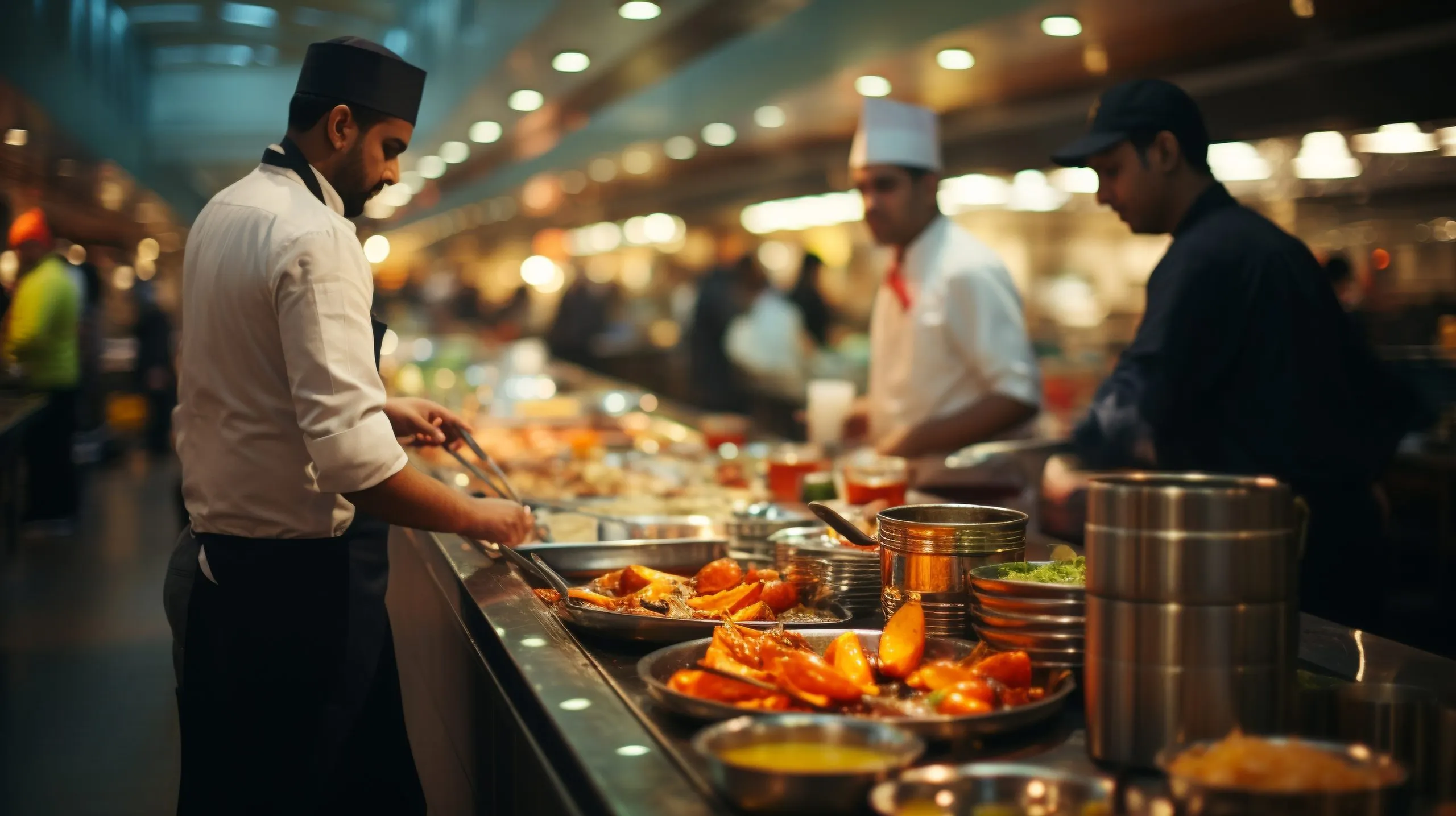
The India foodservice market is growing steadily as eating out, food delivery, and café culture become a regular part of urban and semi-urban lifestyles. Consumers today are looking for convenience, variety, hygiene, and value, which is encouraging restaurants, quick-service chains, cloud kitchens, and delivery platforms to expand their offerings. India’s foodservice market is estimated at nearly USD 94 billion and is expected to grow strongly over the coming years. With a young population, rising disposable income, and increasing digital adoption, the sector is becoming one of the most dynamic parts of India’s consumer economy.
Key market drivers are strengthening India’s foodservice growth story
Urban lifestyles are increasing demand for convenience dining
Rapid urbanization, longer working hours, and changing family structures are driving demand for ready-to-eat meals, takeaways, and restaurant dining. Many consumers, especially working professionals and students, prefer foodservice options that save time while offering quality and variety. This has helped quick-service restaurants, casual dining outlets, cafés, and food courts grow across major cities as well as emerging urban centers. The shift is no longer limited to metros, as Tier 2 and Tier 3 cities are also seeing stronger demand for branded and organized foodservice formats.
Online delivery and digital payments are reshaping customer access
Online food delivery platforms have changed how consumers discover and order meals. App-based ordering, digital payments, real-time tracking, and discounts have made food delivery more accessible and convenient. Restaurants are also using digital tools to manage menus, customer feedback, inventory, and loyalty programs. This digital shift has opened new growth opportunities for cloud kitchens and delivery-first food brands. As smartphone usage and internet penetration continue to rise, digital channels are expected to remain a major growth engine for the India foodservice market.
Organized foodservice formats are gaining stronger consumer trust
The organized foodservice segment is growing as consumers place greater importance on hygiene, consistency, transparent pricing, and brand reliability. Quick-service restaurants, café chains, premium dining brands, and regional restaurant groups are expanding through franchise models and standardized operations. Many brands are also introducing healthier menus, regional cuisines, plant-based options, and value meals to appeal to different consumer groups. This balance of affordability, trust, and innovation is helping organized players capture a larger share of the market.
Government support and initiatives are improving sector formalization
Government initiatives around food safety, digital payments, start-up promotion, and small business support are helping the foodservice sector become more organized. Regulations and standards led by food safety authorities have encouraged restaurants to improve hygiene, quality control, and compliance. Programs supporting MSMEs and entrepreneurship also benefit small restaurants, cloud kitchens, and local food brands. At the same time, digital public infrastructure and wider UPI adoption have made payments easier for both consumers and foodservice operators, supporting greater transparency and business efficiency.
Competitive landscape is becoming more diverse and technology led
India’s foodservice market includes global chains, domestic restaurant brands, independent outlets, cafés, cloud kitchens, food delivery platforms, and regional players. Competition is increasing as brands expand into new cities and launch more affordable, delivery-friendly, and localized menus. Large players are investing in technology, loyalty programs, supply chain efficiency, and franchising to scale faster. Independent restaurants, meanwhile, are using local flavors, personalized service, and social media visibility to differentiate themselves in a crowded marketplace.
Market challenges continue to affect profitability and expansion
Rising costs are putting pressure on restaurant margins
Foodservice operators face rising costs related to ingredients, rent, utilities, packaging, logistics, and labour. These pressures can make it difficult for restaurants to keep menu prices affordable while protecting margins. Smaller outlets and independent operators are often more vulnerable because they have limited bargaining power with suppliers.
Quality consistency and regulatory compliance remain important concerns
As the sector expands, maintaining food quality, hygiene, and service consistency across outlets becomes more challenging. Compliance with food safety rules, licensing requirements, and delivery standards can also add operational complexity. Businesses that fail to manage these areas may struggle to retain consumer trust in an increasingly competitive market.
Future outlook
The future outlook for the India foodservice market remains strong, supported by rising incomes, urban expansion, digital ordering, and growing preference for organized dining formats. The market is projected to reach over USD 153 billion by 2031, reflecting significant long-term opportunity. Demand from younger consumers, working professionals, and digitally active households will continue to shape menus, formats, and service models. Businesses that invest in technology, supply chain strength, hygiene, menu innovation, and customer experience are likely to be better positioned for sustainable growth.
Consultants at Nexdigm, in their latest publication “India foodservice market outlook to 2035,” analyze the sector By Service Type (Outlet Density, Average Ticket Size, Throughput Capacity), By Cuisine Type (Menu Diversity, Consumer Preference Index, Average Spend Per Visit)
Nexdigm suggests that businesses in the India foodservice market should focus on digital ordering, delivery efficiency, and localized menu innovation to meet changing consumer expectations.
To take the next step, simply visit our Request a Consultation page and share your requirements with us.
Harsh Mittal
+91-8422857704