
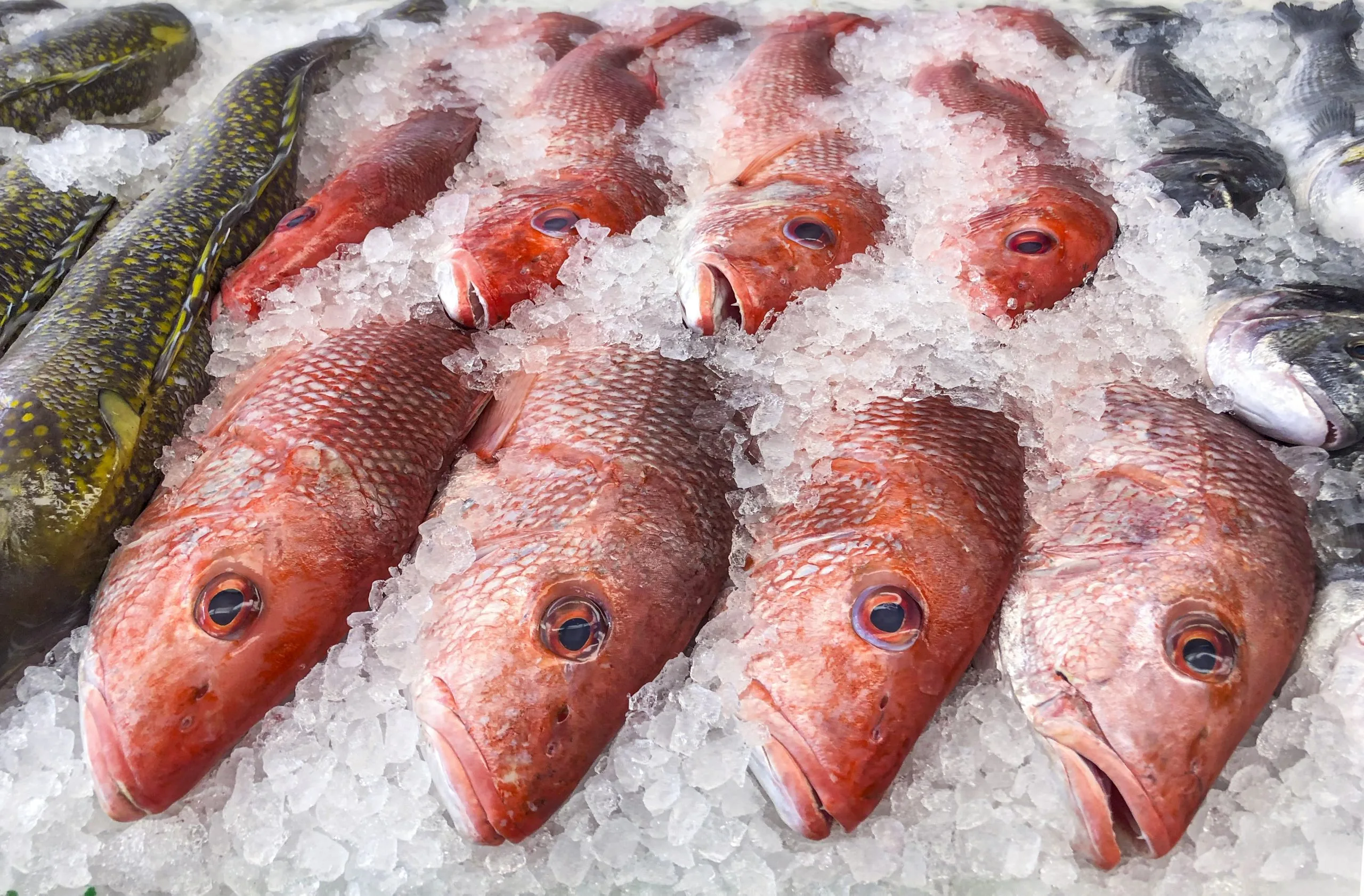
The India frozen seafood market is witnessing strong growth driven by robust export demand and increasing domestic consumption of processed seafood. Frozen products such as shrimp, fish, and squid dominate both international trade and local consumption due to their extended shelf life and convenience. India’s seafood exports have reached a record over USD 8 billion, with total export volumes nearing 2 million metric tons. This highlights the country’s global leadership in seafood trade. As consumer awareness around protein-rich diets grows, frozen seafood is steadily becoming a more integral part of India’s food ecosystem, both domestically and globally.
Key Growth Drivers of the India Frozen Seafood Market
Strong Export Demand and Global Market Leadership
Exports remain the backbone of the India frozen seafood market. The country is one of the largest seafood exporters globally, with marine product shipments crossing ₹73,000 crore and reaching nearly 19.7 lakh metric tons. Frozen shrimp leads the export category, contributing over 66% of total export earnings and more than 40% of export volume. Major markets such as the United States, China, and the European Union continue to drive demand. This strong export orientation not only boosts revenue but also encourages investments in processing, cold storage, and logistics infrastructure, strengthening the overall market.
Expanding Aquaculture and Production Capacity
India’s growing aquaculture sector is another major growth driver. The country produced over 175 lakh tons of fish in recent years, supported by large-scale fish farming and improved breeding technologies. States such as Andhra Pradesh, Gujarat, and Kerala play a pivotal role in seafood production and processing. The availability of raw materials, coupled with advancements in freezing technologies like IQF (Individually Quick Frozen), ensures consistent quality and higher export competitiveness. This strong production base also supports the development of value-added frozen products such as ready-to-cook and processed seafood.
Rising Domestic Demand and Retail Expansion
While exports dominate, domestic consumption of frozen seafood is steadily increasing. Urbanization, rising disposable incomes, and changing dietary habits are encouraging Indian consumers to incorporate seafood into their diets. The expansion of supermarkets, online grocery platforms, and cold-chain infrastructure is improving accessibility to frozen seafood products. The market itself is expected to grow at a CAGR of over 7%, reflecting rising adoption across urban households. This growing domestic demand is gradually balancing India’s export-heavy market structure.
Government Support Strengthening the India Frozen Seafood Market
Government initiatives are playing a critical role in boosting the India frozen seafood market. Programs focused on fisheries development, export promotion, and sustainability have strengthened the sector significantly. Policies such as the Pradhan Mantri Matsya Sampada Yojana and initiatives by the Marine Products Export Development Authority (MPEDA) are supporting infrastructure development, quality control, and global market access. These initiatives are not only improving production efficiency but also enhancing India’s competitiveness in international seafood markets.
Competitive Landscape of the India Frozen Seafood Market
The India frozen seafood market is highly competitive, with a mix of large exporters and regional processing companies. Key players focus on shrimp processing, fish fillets, and value-added seafood products for global markets. Companies such as Abad Fisheries and other regional exporters are leveraging advanced processing technologies and strong global distribution networks. Increasing competition is also driving innovation in packaging, traceability, and product quality, helping companies meet international standards and consumer expectations.
Market Challenges in the India Frozen Seafood Market
Export Dependency and Market Volatility
One of the major challenges in the India frozen seafood market is its heavy dependence on exports. Any fluctuations in global demand, trade policies, or tariffs can significantly impact revenue. For instance, changes in import policies in major markets like the US can directly affect export volumes. Diversifying export destinations and strengthening domestic demand will be key to mitigating this risk.
Infrastructure and Cold Chain Limitations
Despite significant progress, cold-chain infrastructure in India still faces gaps, especially in inland regions. Maintaining consistent temperature and quality across long supply chains remains a challenge. These limitations can increase costs and affect product quality, particularly for smaller players. Continued investment in logistics and storage infrastructure will be crucial for sustained market growth.
Future Outlook
The future of the India frozen seafood market looks promising, with growth expected across both export and domestic segments. The market is projected to expand steadily, supported by rising global demand and increasing domestic consumption. With exports already crossing USD 8 billion and growing at a strong pace, India is well-positioned to strengthen its global leadership in seafood trade. Advancements in aquaculture, cold-chain logistics, and value-added processing will further enhance competitiveness. In the long term, the market is likely to evolve into a more balanced ecosystem, with strong export performance complemented by growing domestic demand, making frozen seafood a key component of India’s food industry.
Consultants at Nexdigm, in their latest publication “India Frozen Seafood Market Outlook to 2035,” analyze the sector By Product Type (Frozen Shrimp, Frozen Fish, Frozen Cephalopods, Frozen Crustaceans and Molluscs), By Freezing Technology (IQF Frozen Seafood, Block Frozen Seafood, Plate Frozen Seafood).
Nexdigm suggests that businesses should capitalize on India’s strong export-driven ecosystem by investing in value-added seafood processing, diversifying export markets beyond traditional destinations, and strengthening cold-chain infrastructure, while simultaneously tapping into rising domestic demand for convenient, ready-to-cook protein options to build a more balanced and resilient presence in the India frozen seafood market.
To take the next step, simply visit our Request a Consultation page and share your requirements with us.
Harsh Mittal
+91-8422857704