
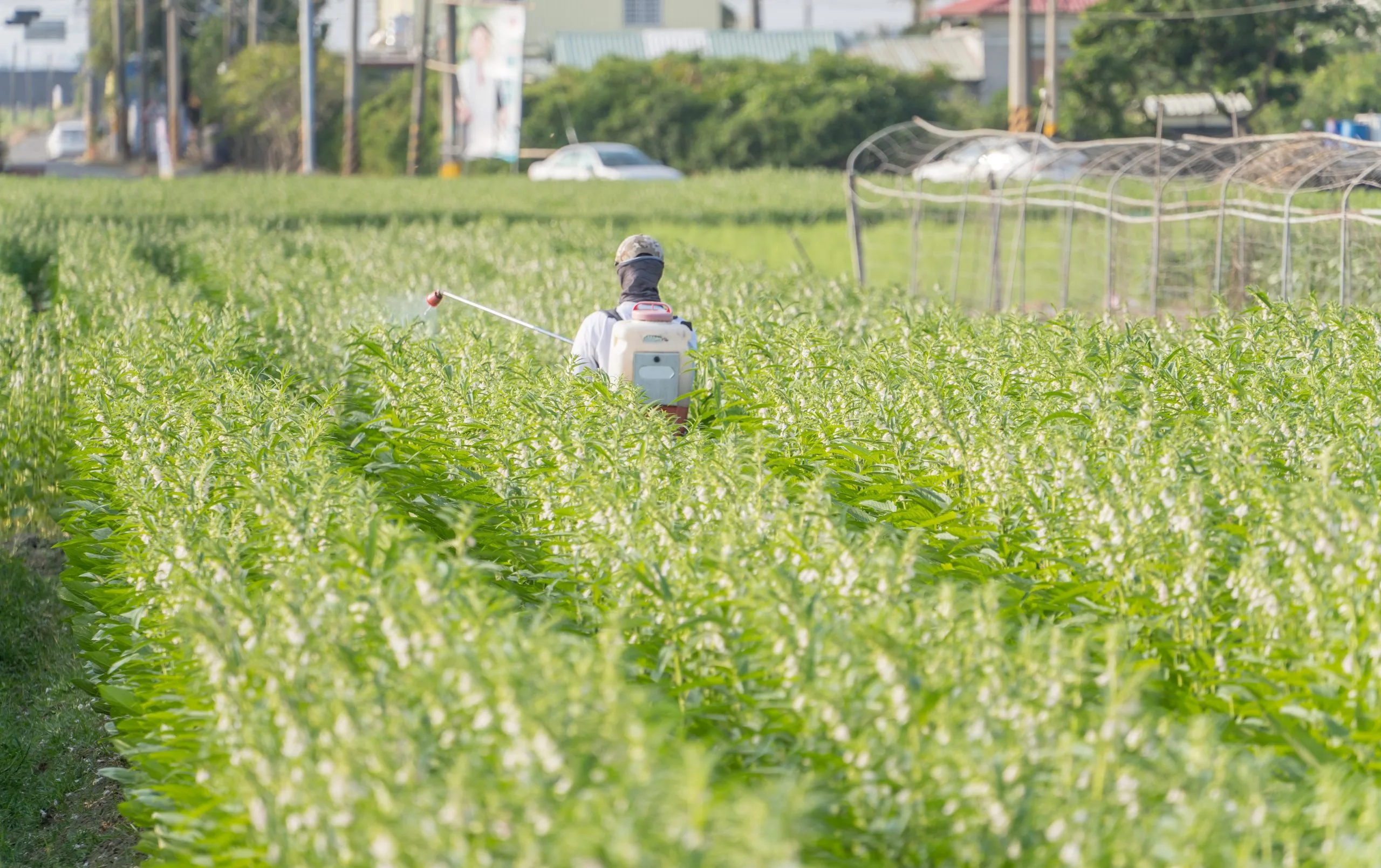
The India herbicide market is expanding as farmers look for efficient weed control solutions that can protect crop yields, reduce manual labor dependence, and improve farm productivity. Herbicides are used across rice, wheat, cotton, sugarcane, pulses, oilseeds, fruits, vegetables, and plantation crops to manage weeds that compete for nutrients, moisture, sunlight, and space. The India herbicide market was valued at USD 393.55 million in 2025 and is estimated to reach USD 647.53 million by 2031, growing at 8.64% CAGR. Demand is increasingly shaped by labor shortages, rising wages, mechanization, and changing crop management practices.
Key market drivers are strengthening herbicide demand in India
Farm labor shortages are increasing herbicide adoption
Manual weeding has traditionally been common across Indian farms, but labor availability is becoming more uncertain, especially during peak sowing and crop growth periods. Rising rural wages and migration toward non-farm employment are making chemical weed control more attractive for farmers who need timely field operations. Herbicides help reduce labor dependency, control weeds faster, and support better crop establishment. This is particularly important for rice, wheat, cotton, sugarcane, pulses, and oilseeds, where delays in weed management can affect yield. As farmers seek practical and affordable solutions, herbicide adoption is likely to increase across both smallholder and commercial farms.
Higher crop productivity needs are supporting weed management demand
Weeds can reduce crop yields by competing for water, nutrients, light, and space, making weed control essential for India’s food security and farmer income. The country’s crop protection chemicals market reached USD 6.67 billion in 2025 and is projected to reach USD 9.93 billion by 2034, growing at 4.38% CAGR. Herbicides are gaining importance as growers focus on improving productivity from existing farmland. Demand is rising for pre-emergence, post-emergence, selective, non-selective, and crop-specific herbicides that can support efficient weed control across diverse agro-climatic conditions.
Mechanization and precision application are changing farm practices
The gradual adoption of farm mechanization, knapsack sprayers, drone spraying, and precision application tools is making herbicide use more efficient. These tools can improve coverage, reduce wastage, and support more timely weed management.
Government initiatives and farm modernization are supporting market growth
Government programs focused on improving agricultural productivity, mechanization, farmer income, and food security are indirectly supporting herbicide adoption in India. Subsidies and schemes for farm equipment, custom hiring centers, drone use, and extension services are helping farmers access modern crop management tools. Regulatory oversight through product registration, labeling norms, and safe-use guidelines also shapes the market. Training programs on integrated weed management and responsible pesticide use are becoming important as herbicide usage expands across smallholder farming systems.
Competitive landscape is becoming more product and distribution focused
The India herbicide market includes multinational agrochemical companies, domestic crop protection manufacturers, generic herbicide suppliers, distributors, cooperatives, agri-input retailers, and emerging drone-spraying service providers. Competition is shaped by price, product efficacy, crop compatibility, pack size, availability, brand trust, and last-mile distribution. Domestic players often compete through affordability and strong rural networks, while multinational companies focus on innovation and technical support. Companies that combine reliable products with farmer education and field-level advisory services can build stronger market presence.
Market challenges continue to affect safe and effective herbicide adoption
Awareness gaps can lead to improper usage
Many farmers still need guidance on correct dosage, timing, crop stage, and application method. Improper use can reduce effectiveness, damage crops, or raise safety concerns.
Small farm sizes and price sensitivity can limit adoption
India’s fragmented landholdings and cost-conscious farmer base can restrict regular herbicide use. Affordable pack sizes, demonstrations, and extension support remain important for wider adoption.
Future outlook
The future outlook for the India herbicide market remains strong, supported by labor shortages, rising wages, crop productivity needs, mechanization, and growing awareness of chemical weed control. Opportunities are expected across rice and wheat herbicides, sugarcane and cotton weed control, pre-emergence products, post-emergence formulations, drone-based spraying, biological herbicides, and integrated weed management services. As the market moves toward USD 647.53 million by 2031, businesses that combine affordability, efficacy, farmer training, regulatory compliance, and rural distribution reach will be better positioned to capture long-term growth.
Consultants at Nexdigm, in their latest publication “India herbicide market outlook to 2035,” analyze the sector By Active Ingredient (Glyphosate, Glufosinate, Dicamba, Atrazine), By Crop Type (Corn, Soybean, Cotton, Wheat and Small Grains)
Nexdigm suggests that businesses in the India herbicide market should focus on affordable, effective, and crop-specific weed control solutions that support rice, wheat, cotton, sugarcane, pulses, oilseeds, fruits, and vegetables.
To take the next step, simply visit our Request a Consultation page and share your requirements with us.
Harsh Mittal
+91-8422857704