
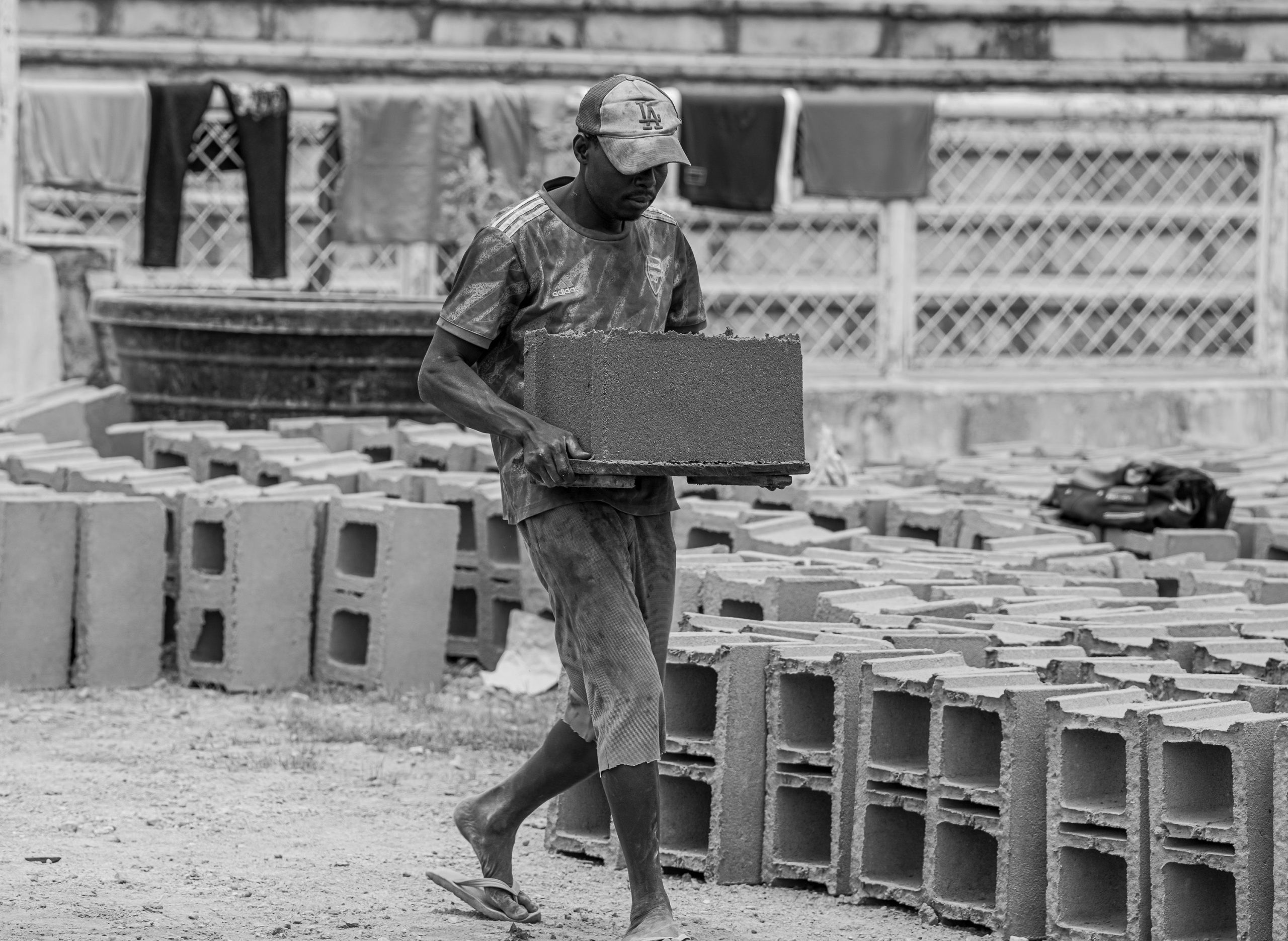
The India hollow concrete blocks market is witnessing steady growth, supported by rising residential, commercial, and infrastructure construction activities across the country. Hollow concrete blocks are increasingly preferred over traditional clay bricks due to their durability, cost-effectiveness, thermal insulation properties, and faster construction capabilities. Growing urbanization, expanding industrial projects, and government investments in housing and infrastructure are strengthening market demand. With India’s urban population rising from approximately 508 million to 522 million and cement production increasing from about 374 million tonnes to 426 million tonnes in recent years, the demand for modern construction materials such as hollow concrete blocks continues to accelerate.
Market Drivers Advancing the India Hollow Concrete Blocks Growth
Rising Urbanization and Housing Construction
India expanding urban population is creating significant demand for housing and commercial real estate developments. Major states including Maharashtra, Karnataka, Tamil Nadu, Telangana, Gujarat, and Uttar Pradesh are experiencing rapid urban expansion, driving demand for efficient building materials. Hollow concrete blocks offer advantages such as reduced structural load, improved insulation, and quicker installation, making them a preferred choice for developers. Government-supported affordable housing projects and smart city developments further contribute to market growth.
Growth in Infrastructure and Industrial Development
Large-scale investments in transportation networks, industrial parks, logistics hubs, warehouses, and institutional buildings are supporting the adoption of hollow concrete blocks. Cities such as Mumbai, Bengaluru, Hyderabad, Chennai, and Ahmedabad are witnessing substantial construction activities that require durable and economical masonry solutions. Rising demand for warehouses and industrial facilities, fueled by manufacturing and e-commerce growth, has further strengthened market opportunities.
Increasing Cement Production and Construction Spending
India cement production increased from approximately 374 million tonnes to 426 million tonnes, reflecting robust construction activity across sectors. Simultaneously, central government capital expenditure rose from nearly INR 7.4 lakh crore to INR 10 lakh crore, supporting infrastructure projects and boosting consumption of construction materials. These investments are encouraging wider adoption of mechanized masonry systems and hollow concrete blocks in both public and private construction projects.
Government Initiatives Supporting India Hollow Concrete Blocks Industry
The Indian government continues to support the construction sector through initiatives such as affordable housing programs, Smart Cities Mission, PM Gati Shakti, and infrastructure modernization projects. Higher allocations toward roads, railways, urban infrastructure, and industrial corridors are generating significant demand for construction materials. Policies promoting energy-efficient buildings and sustainable construction practices are also encouraging the use of hollow concrete blocks due to their lower material consumption and improved thermal performance.
Competitive Landscape of India Hollow Concrete Blocks Sector
The India hollow concrete blocks market is moderately fragmented, with regional manufacturers competing alongside established construction-material companies. Market participants focus on production capacity expansion, product quality improvement, and distribution network strengthening to enhance competitiveness. Proximity to construction hubs and access to raw materials remain critical advantages. Manufacturers are also introducing lightweight and high-strength variants to meet evolving requirements from residential, commercial, and industrial construction projects.
Challenges Impacting India Hollow Concrete Blocks Industry
Fluctuating Raw Material Costs
Volatility in the prices of cement, aggregates, and transportation can impact production costs and profitability for manufacturers. Rising energy expenses and logistics costs may also affect product pricing across regions.
Competition from Traditional Building Materials
Despite growing adoption, hollow concrete blocks continue to face competition from conventional clay bricks and other masonry materials. Limited awareness among smaller contractors and regional variations in construction practices can slow market penetration in certain areas.
Future Outlook
The future of the India hollow concrete blocks market remains positive, supported by accelerating urbanization, infrastructure investment, and modernization of construction techniques. Demand is expected to rise as developers increasingly seek faster, cost-efficient, and sustainable building solutions. Continued growth in residential housing, industrial facilities, warehouses, and commercial developments will create new opportunities for manufacturers. Technological advancements in block production, combined with supportive government initiatives and expanding construction expenditure, are likely to strengthen market expansion and encourage wider adoption of hollow concrete blocks across India’s evolving construction landscape.
Consultants at Nexdigm, in their latest publication “India Hollow Concrete Blocks Market Outlook to 2035,” analyze the sector By (Market Definitions and Assumptions, Hollow Concrete Block Classification, IS 2185 Product Mapping, Grade A and Grade B Assessment, Load-Bearing and Non-Load-Bearing Block Assessment,).
Nexdigm suggests that businesses in the India Hollow Concrete Blocks Industry focus on expanding production capabilities, improving product quality, and adopting sustainable manufacturing practices. Catering to rising residential, commercial, and infrastructure construction demand can help companies strengthen market presence and achieve long-term growth.
To take the next step, simply visit our Request a Consultation page and share your requirements with us.
Harsh Mittal
+91-8422857704