
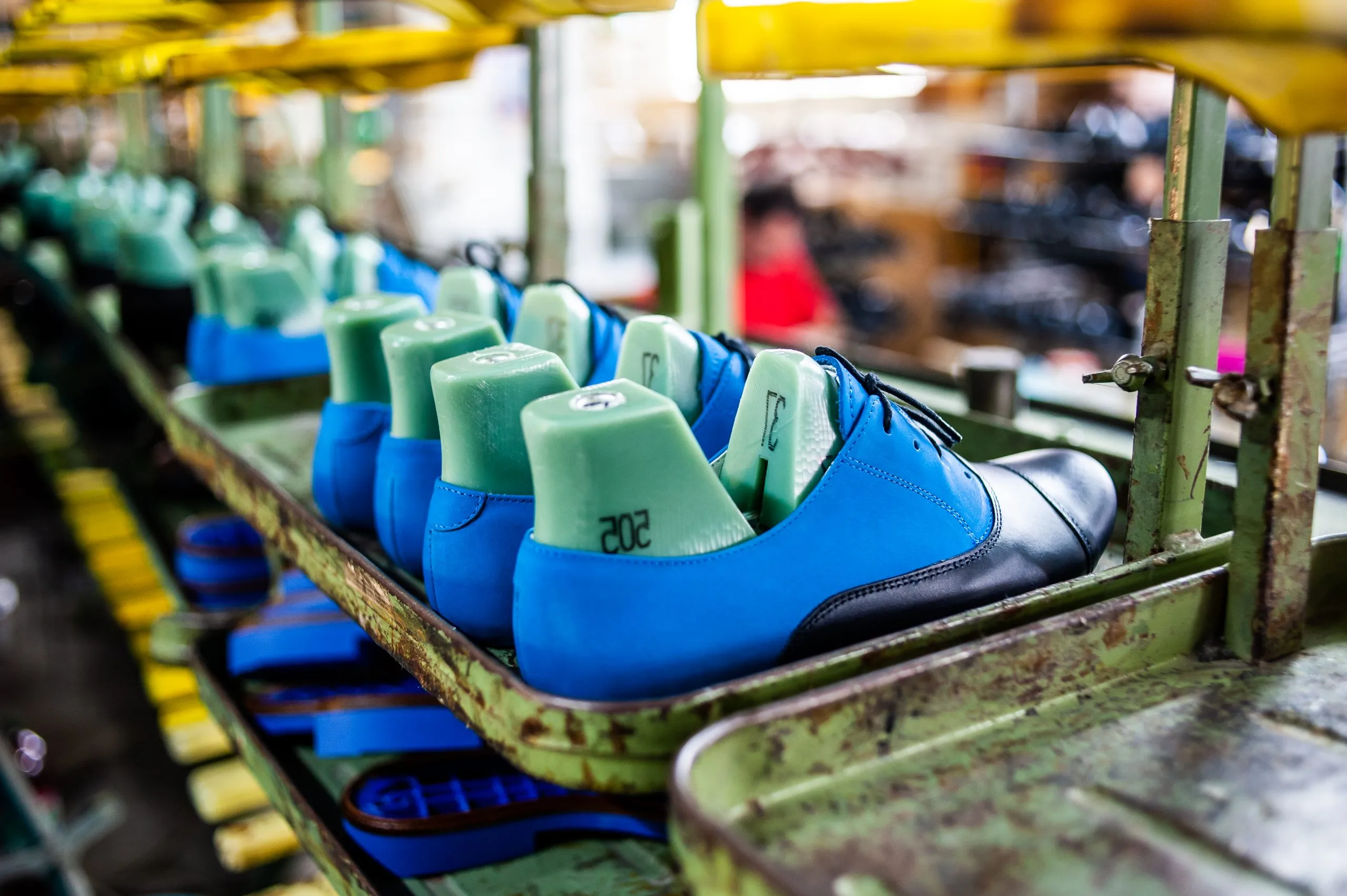
India’s industrial protective footwear market is expected to grow strongly as companies place more importance on worker safety, PPE compliance, and injury prevention. Safety shoes, safety boots, gumboots, and slip-resistant footwear are widely used across construction, manufacturing, mining, oil and gas, chemicals, logistics, utilities, and infrastructure projects. The India industrial protective footwear market is expected to reach USD 399.2 million, growing at a 9.4% CAGR, in the upcoming years. India is also one of the fastest-growing markets in Asia Pacific, showing how quickly safety footwear is becoming part of everyday industrial operations. As workplaces become more formalized and safety-focused, protective footwear is moving from a basic requirement to a practical tool for reducing injuries.
What Is Driving India’s Industrial Protective Footwear Market?
Industrial Expansion Is Increasing Footwear Demand
India’s rapid industrialization and infrastructure development are creating strong demand for protective footwear. Construction sites, factories, warehouses, mines, ports, and energy projects require footwear that can protect workers from falling objects, sharp materials, wet floors, chemicals, heat, electrical risks, and long working hours. As more companies improve their safety practices, safety shoes and boots are becoming essential PPE rather than optional equipment. The market includes safety boots, safety shoes, safety sandals, safety gumboots, and other protective footwear, with safety boots leading demand because of their durability and use in heavy-duty sectors such as construction and mining. This demand is expected to remain strong as industrial projects expand, and employers focus more on reducing accidents, downtime, and productivity losses.
Safety Compliance Is Encouraging Wider Adoption
Workplace safety compliance is another important driver of India’s industrial protective footwear market. Safety footwear is increasingly linked to formal safety standards, procurement rules, site audits, and industrial safety programs, especially in manufacturing, construction, mining, chemicals, and oil and gas. India’s occupational safety framework includes the Factories Act, the Mines Act, and enforcement through state-level safety authorities and the Directorate General of Mines Safety. Accident data also shows why better protection is needed. In registered factories, India recorded 1,017 fatal injuries and 2,714 non-fatal injuries, while organized-sector mines recorded 53 deaths and 159 injuries based on the reports and studies. These figures highlight the need for certified steel-toe, slip-resistant, puncture-resistant, and electrical hazard protection footwear. For employers, safety footwear is becoming both a compliance requirement and a practical investment in workforce protection.
Comfort and Product Innovation Are Shaping Buying Decisions
Indian buyers are becoming more selective about protective footwear quality. Employers and workers now want products that provide reliable protection while also being comfortable enough for long shifts. Workers in factories, mines, warehouses, construction sites, and field locations often spend several hours standing, walking, lifting, or working in difficult conditions. This is increasing demand for lighter materials, cushioned soles, breathable uppers, oil-resistant outsoles, waterproof designs, and anti-fatigue features. Leather footwear remains important because of its durability, comfort, and resistance to wear and tear, especially in manufacturing and construction. Rubber, PVC, and polyurethane footwear are also relevant in wet, chemical, and high-moisture environments. Brands that combine certified protection, affordability, comfort, and industry-specific performance are likely to gain stronger acceptance.
Government Support boosting India’s Protective Footwear Market
Government support for India’s industrial protective footwear market is shaped by workplace safety laws, inspections, and enforcement systems. The Factories Act, 1948 and the Mines Act, 1952 provide for worker safety, health, and welfare in factories and mines, with enforcement handled by state authorities and the Directorate General of Mines Safety. These frameworks encourage employers to identify workplace hazards and provide suitable protective equipment where risks exist. As industrial audits, safety inspections, and compliance requirements become more structured, demand for certified protective footwear is expected to increase. Regulatory focus also helps improve awareness of PPE use across formal industrial workplaces. Over time, stronger enforcement can encourage more consistent adoption of safety footwear across smaller and mid-sized industrial units as well.
Competitive Insights of India’s Safety Footwear Market
India’s industrial protective footwear market includes global safety brands, domestic footwear manufacturers, PPE suppliers, and industrial distributors. Leading players include Bata Industrials India, Liberty Safety Shoes, Hillson Footwear, Allen Cooper, JCB Safety Footwear, Mallcom India, Tiger Safety Shoes, Acme Safetywears, Karam Industries, Relaxo Safety, and Cougar Safety Shoes. Companies compete through certification, durability, pricing, comfort, distribution reach, and industry-specific product designs. The market is also seeing interest in smart safety footwear, lightweight materials, ergonomic soles, and sustainable materials. Strong local manufacturing and dealer networks remain important because industrial buyers often need quick availability, replacement support, and products suited to local working conditions. Brands that balance quality with affordability are more likely to build long-term relationships with employers.
Major Barriers faced in India’s Safety Footwear Market
Price Sensitivity Remains a Major Concern
One major challenge in India’s industrial protective footwear market is price sensitivity, especially among small and mid-sized businesses. Advanced footwear with composite toes, anti-fatigue soles, puncture-resistant plates, electrical protection, waterproofing, and chemical resistance can be more expensive than basic safety shoes. Raw material price fluctuations in leather, rubber, and polymers can also affect production costs and final pricing. This creates pressure on manufacturers to offer affordable products without compromising safety. Some employers may still choose lower-cost footwear when managing large workforces or short project timelines. Value-focused certified footwear will remain important for wider adoption across India’s diverse industrial base.
Counterfeit and Low-Quality Footwear Create Safety Risks
Counterfeit and low-cost uncertified products are another challenge in the market. These products may look affordable but may fail to provide proper protection in hazardous workplaces. Low-quality footwear can wear out quickly, offer poor grip, or fail during impact, puncture, or chemical exposure. This creates risks for both workers and employers, especially in industries where accidents can lead to serious injuries. Counterfeit products also make it harder for certified brands to compete fairly on price and quality. Stronger certification checks, buyer education, and disciplined procurement practices will be important for improving product quality and workplace safety outcomes.
Future Outlook
India’s industrial protective footwear market is expected to remain on a strong growth path, supported by industrial expansion, workplace safety compliance, and rising PPE adoption. Construction, manufacturing, mining, oil and gas, chemicals, logistics, utilities, and infrastructure will continue to be key demand areas. Future growth will be shaped by certified footwear that offers better comfort, lighter materials, slip resistance, puncture protection, waterproofing, and industry-specific performance. Employers are likely to look for products that improve both worker safety and daily comfort. Companies that combine affordability, compliance, durability, and ergonomic design will be better placed to capture long-term demand. As India’s industrial workforce expands, protective footwear will become an increasingly important part of safety planning and operational efficiency.
Consultants at Nexdigm, in their latest publication “India Industrial Protective Footwear Market Outlook to 2035,” analyzed the market by Product Type (Steel Toe, composite Toe, Electrical Hazard, Metatarsal Guard, Puncture Resistant), by Distribution Channel (Industrial Distributor, B2B Procurement Portals, E Commerce Platforms, OEM Safety Contracts).
Nexdigm believes businesses should focus on stronger, affordable product diversification, while reducing reliance on imported high-end offerings. This approach can help companies serve wider consumer segments, strengthen competitiveness, improve accessibility, and build sustainable long-term growth.
To take the next step, simply visit our Request a Consultation page and share your requirements with us.
Harsh Mittal
+91-8422857704