
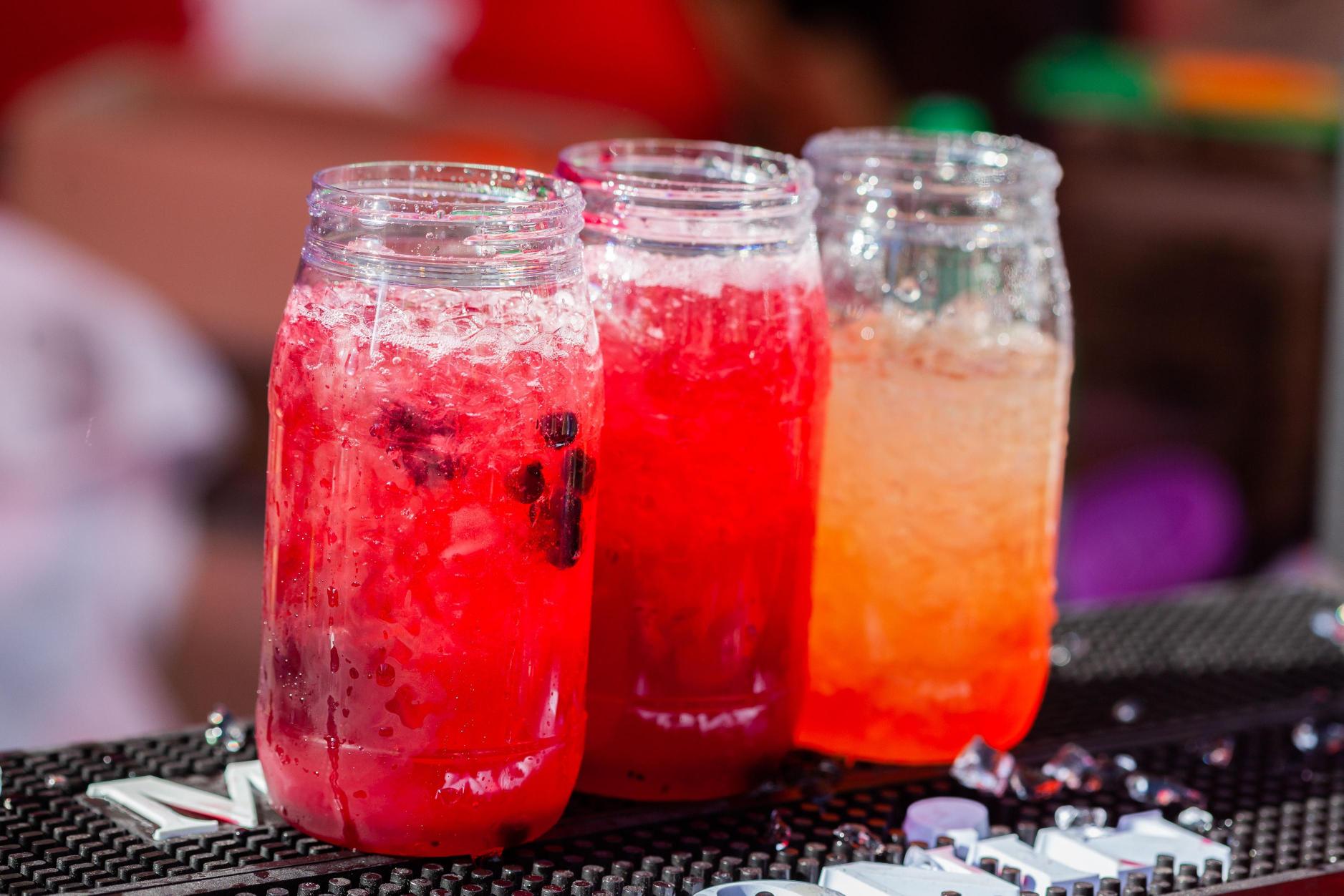
India non-alcoholic beverages industry is experiencing strong expansion, supported by rising disposable incomes, rapid urbanization, and evolving consumer preferences. The industry was valued at approximately USD 22.45 billion and is projected to grow at a CAGR of 8.4% through 2035. Demand for functional drinks, low-sugar beverages, packaged juices, and premium soft drinks continues to increase across urban and semi-urban regions. Manufacturing hubs such as Chennai and Pune play a crucial role in production and distribution, while digital transformation and sustainability initiatives are reshaping operational strategies across the sector.
Market Drivers Advancing India Non-Alcoholic Beverages Growth
Rising Demand for Health and Functional Beverages
Consumers are increasingly seeking beverages that offer health benefits beyond hydration. Functional drinks enriched with vitamins, minerals, probiotics, and natural ingredients are gaining popularity among health-conscious individuals. Low-sugar and low-calorie beverages are witnessing strong demand due to growing awareness of lifestyle-related health concerns. Ready-to-drink teas, flavored water, and wellness beverages are emerging as high-growth categories across metropolitan and tier-II cities.
Expanding Distribution Networks and Digitalization
Leading beverage companies are investing heavily in digital technologies to improve supply chain efficiency and market penetration. Organizations such as Varun Beverages are leveraging AI-based route planning and fleet optimization tools to strengthen distribution networks. These initiatives enable faster deliveries, improved inventory management, and wider product availability across rural and semi-urban regions. The growth of e-commerce platforms and quick-commerce channels is further accelerating product accessibility.
Growing Middle-Class Consumption and Premiumization
India expanding middle-class population is driving demand for premium beverage offerings. Consumers are increasingly willing to pay higher prices for innovative flavors, clean-label products, and premium craft sodas. Rising expenditure on convenience products and changing lifestyles are contributing significantly to industry growth. The premium beverage segment is expected to remain one of the fastest-growing categories as brands introduce differentiated products targeting younger demographics.
Government Initiatives Supporting India Non-Alcoholic Beverages Sector
The Food Safety and Standards Authority of India (FSSAI) continues to strengthen food and beverage regulations through stringent labeling requirements, calorie disclosures, and quality standards. Government support for food processing infrastructure under schemes such as the Pradhan Mantri Kisan Sampada Yojana (PMKSY) has enhanced production capabilities. Additionally, sustainability regulations under Extended Producer Responsibility (EPR) guidelines encourage beverage manufacturers to invest in recycling and environmentally responsible packaging solutions.
Competitive Landscape of India Non-Alcoholic Beverages Industry
The industry features a mix of global and domestic players competing through innovation, distribution strength, and brand recognition. Major participants include Coca-Cola India, PepsiCo India, Varun Beverages, Dabur India, Parle Agro, and ITC Limited. Companies are actively expanding product portfolios with healthier beverage options, sustainable packaging, and digital sales strategies to strengthen market positioning and capture emerging consumer segments.
Challenges Impacting India Non-Alcoholic Beverages Industry
Regulatory Compliance and Labeling Requirements
Manufacturers must continuously adapt to evolving food safety regulations, ingredient disclosure norms, and packaging requirements. Compliance costs can increase operational complexity, particularly for smaller manufacturers and regional brands.
Sustainability and Packaging Waste Management
Growing environmental concerns regarding plastic usage pose challenges for beverage producers. Investments in recyclable packaging, collection infrastructure, and waste management programs require substantial capital expenditure while maintaining profitability.
Future Outlook
The future of India’s non-alcoholic beverages sector remains highly promising, driven by innovation, premiumization, and health-focused consumption patterns. Functional beverages, plant-based drinks, and low-sugar formulations are expected to gain significant market share over the coming years. Digital distribution channels, AI-powered logistics, and sustainability-focused investments will further improve operational efficiency. As consumer awareness regarding wellness and environmental responsibility continues to rise, companies that prioritize product innovation and sustainable practices will be best positioned to capitalize on long-term industry growth opportunities.
Consultants at Nexdigm, in their latest publication “India Non-Alcoholic Beverages Market Outlook to 2035,” analyze the sector By (Definition of Non-Alcoholic Beverage Scope, Top-Down Aggregate Market Sizing, Bottom-Up Retail Sales Validation, FSSAI Beverage Regulation Assessment,).
Nexdigm suggests that businesses in the India Non-Alcoholic Beverages Market focus on developing health-oriented, sugar-free, and functional beverage portfolios while investing in sustainable packaging and advanced manufacturing technologies. Aligning products with evolving consumer wellness preferences and regulatory requirements can help companies strengthen market position and capture long-term growth opportunities.
To take the next step, simply visit our Request a Consultation page and share your requirements with us.
Harsh Mittal
+91-8422857704