
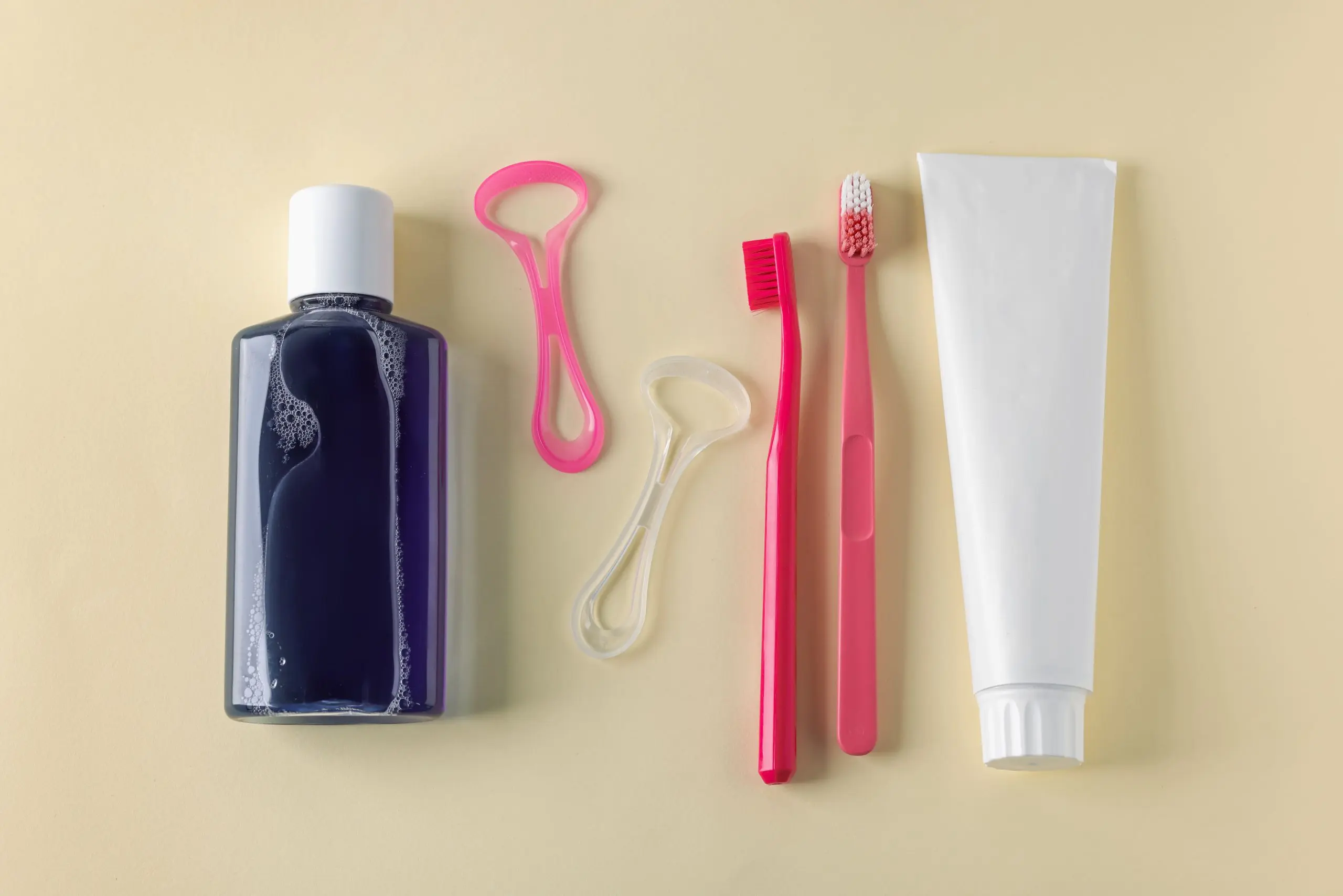
India’s oral care market has moved well beyond basic toothpaste and toothbrush sales. Consumers today are paying closer attention to preventive dental care, ingredient transparency, and premium hygiene products, particularly in urban centers. As of 2026, the category includes everything from herbal toothpaste and medicated mouthwash to electric toothbrushes and whitening kits. What makes the Indian market interesting is the contrast in consumer behavior. Metro cities are seeing rising demand for specialized products, while large parts of rural India still rely on traditional methods such as neem sticks, charcoal powders, or salt mixtures for daily cleaning. That gap creates both opportunity and complexity for oral care brands operating in the country. Another notable shift is the growing overlap between wellness trends and oral hygiene. Consumers who once bought toothpaste solely on price are now comparing ingredients, checking sensitivity claims, and experimenting with ayurvedic formulations. In practice, oral care has become part of the broader personal wellness conversation rather than a routine household purchase.
What’s Driving the Oral Care Market in India?
Preventive Dental Care Is Becoming Mainstream
A decade ago, most consumers visited a dentist only when pain became unavoidable. That mindset has started to change, especially among younger urban households. Dental clinics, social media awareness campaigns, and school health programs have all contributed to better understanding of gum health, plaque buildup, and long-term dental hygiene. This change in behavior is visible in product demand. Mouthwash, floss, and sensitivity-care toothpaste are no longer niche categories reserved for premium pharmacies. Even supermarkets in Tier II cities now stock multiple variants targeting enamel protection, whitening, or gum repair. The shift may appear gradual on the surface, but it reflects a deeper move toward preventive healthcare habits.
Herbal Products Continue to Win Consumer Trust
The rise of herbal oral care products in India is not simply a passing trend. Many consumers genuinely believe natural ingredients are safer for long-term use, especially after years of concerns around chemical-heavy formulations. Products containing clove oil, neem, charcoal, basil, and rock salt have gained strong traction across both online and offline channels. Domestic brands have benefited the most from this transition because they understand local preferences better than many multinational companies. In smaller towns, herbal positioning often resonates more strongly than clinical messaging. That said, one challenge for brands is balancing authenticity with scientific credibility. Consumers increasingly want natural products, but they also expect visible results.
Online Retail and Premium Categories Are Expanding Reach
E-commerce has quietly reshaped how oral care products are discovered and purchased in India. A consumer in Indore or Kochi can now buy imported whitening strips or electric toothbrushes that were previously available only in metro cities. Quick-commerce platforms have also accelerated impulse purchases in categories like mouth fresheners and premium toothpaste. Interestingly, premiumization is not limited to wealthy consumers. Many middle-income households are willing to spend more on products that promise convenience or specific dental benefits. Electric toothbrushes are a good example. While penetration remains low compared to Western markets, curiosity around smart personal care devices has grown steadily over the last few years.
Government-Led Initiatives Supporting Oral Health
Public healthcare authorities in India have gradually started giving oral health more attention, particularly through school dental awareness drives and preventive screening programs. The National Oral Health Programme has played a role in spreading awareness in semi-urban and rural areas where dental hygiene education was historically limited. On the ground, access remains uneven. Urban India has witnessed rapid growth in dental clinics and cosmetic dentistry services, whereas rural regions still struggle with affordability and availability of trained professionals. Even so, awareness campaigns have helped bring oral hygiene into mainstream healthcare discussions.
Market Competition
The India oral care market remains intensely competitive. Major brands such as Colgate-Palmolive, Hindustan Unilever, Dabur India, and Procter & Gamble compete across pricing tiers and product categories. Colgate still dominates mass-market toothpaste sales through deep retail penetration, while Dabur and other herbal-focused brands continue gaining traction among health-conscious consumers. Competition has become sharper in premium categories. Companies are investing heavily in whitening solutions, sensitive-care products, and electric toothbrush portfolios because margins are considerably higher than regular toothpaste sales.
Rural Affordability and Low Product Adoption
One major issue for oral care companies is the uneven adoption of advanced products outside urban India. Price sensitivity remains a serious barrier. A family willing to spend on basic toothpaste may hesitate before purchasing floss, whitening products, or electric toothbrushes. Cultural habits also play a role. Traditional cleaning methods still hold strong acceptance in many regions, making behavioral change slower than brands often anticipate. In some cases, awareness exists, but affordability limits regular product usage.
Future Outlook
India’s oral care market is likely to become far more segmented by 2035, with clear divides between mass, herbal, and premium categories. Herbal formulations will probably maintain momentum, though consumers may become more selective about efficacy claims. At the same time, smart oral care devices and AI-supported dental monitoring tools could gradually enter upper-income households and organized dental clinics.
Consultants at Nexdigm, in their latest publication “India Oral Care Market Outlook to 2035”, analyzed the market by Product Type, Distribution Channel, and End User. Nexdigm believes companies that combine affordability with credible product innovation, particularly in herbal and preventive oral care, are likely to build stronger long-term consumer trust in India’s evolving market.
To take the next step, simply visit our Request a Consultation page and share your requirements with us.
Harsh Mittal
+91-8422857704