
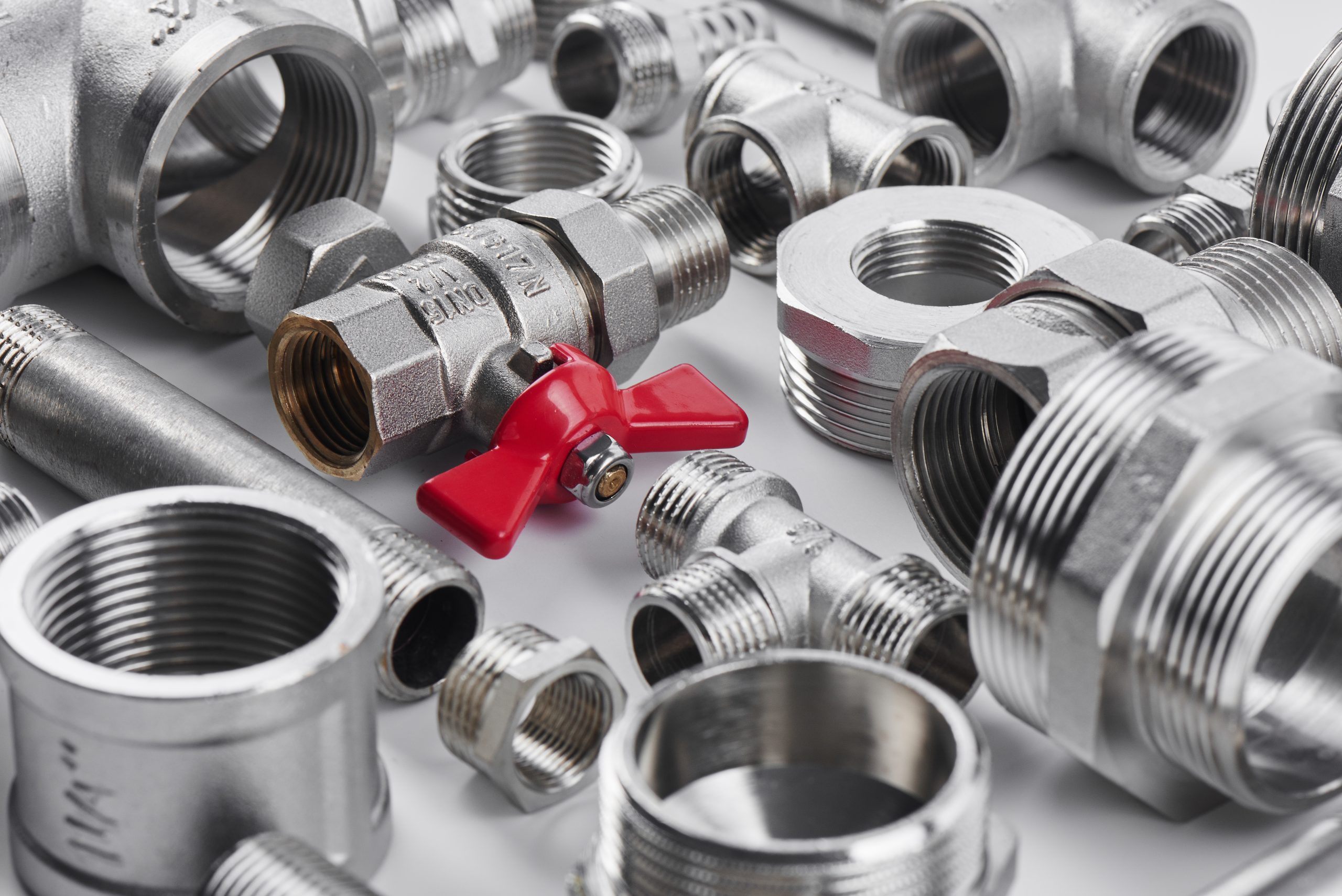
India’s plastic pipes and fittings market is expanding as investment in drinking water, sanitation, housing, irrigation, and urban infrastructure increases. PVC, CPVC, HDPE, and PPR pipes are widely used because they are lightweight, corrosion-resistant, durable, and relatively easy to install. Rural water connectivity has improved significantly, with around 81.7% of rural households having tap-water connections by March 2026, compared with only 16.7% when Jal Jeevan Mission began. Continued infrastructure expansion is creating opportunities for manufacturers across municipal, residential, agricultural, and industrial applications.
Major Growth Drivers of India’s Plastic Pipes and Fittings Industry
Rural Water Supply Is Creating Large-Scale Pipe Demand
Jal Jeevan Mission remains one of the strongest demand drivers for India’s plastic pipe industry. Around 15.82 crore of 19.36 crore rural households had tap-water supply by March 2026, while work for the remaining households was still under implementation. Each new household connection requires distribution networks, service pipes, fittings, and supporting water infrastructure. PVC and HDPE pipes are particularly suited to these applications because they are resistant to corrosion and comparatively easy to transport and install across rural areas.
Urban Water and Sewerage Investment Supports Market Growth
Urban infrastructure is another important growth engine. Under AMRUT 2.0, projects worth more than ₹1.14 lakh crore have been approved for water supply, while around 181 lakh new tap connections have been sanctioned. Sewerage and septage projects worth about ₹67,608 crore have also been approved. These projects generate demand for larger-diameter PVC, HDPE, and other plastic piping systems used in municipal water distribution, sewer networks, drainage, and treatment infrastructure.
Housing and Construction Support Plumbing Applications
India’s continuing residential and commercial development creates additional demand for CPVC, PVC, PPR, and drainage pipes. Plastic piping is increasingly preferred for plumbing because it is lightweight, resistant to scaling and corrosion, and easy to join. As cities expand and housing density increases, demand should remain strong for potable-water pipes, soil-waste-rainwater systems, drainage networks, and fittings used in both new buildings and renovation projects.
Government Initiatives Supporting India’s Plastic Pipes and Fittings Market
Government programs are providing substantial support to water infrastructure. Jal Jeevan Mission 2.0 has an enhanced total outlay of ₹8.69 lakh crore, including central assistance of ₹3.59 lakh crore. AMRUT 2.0 also carries an indicative outlay of around ₹2.99 lakh crore, with a focus on urban water security, sewerage, treatment, and network expansion. These programs directly support long-term demand for plastic pipes and fittings.
Competitive Insights of India’s Plastic Pipes and Fittings Industry
India’s plastic pipes and fittings industry includes large organized manufacturers, regional producers, building-material companies, distributors, and specialized piping suppliers. Competition revolves around pricing, product quality, distribution reach, brand strength, technical performance, and product variety. Manufacturers are increasingly expanding portfolios across PVC, CPVC, HDPE, PPR, sewerage, agriculture, and industrial piping. Strong dealer networks and the ability to serve both infrastructure projects and retail plumbing markets remain important competitive advantages.
Challenges Affecting India’s Plastic Pipes and Fittings Market
Raw Material Price Volatility Can Pressure Margins
PVC resin, polyethylene, and other polymer prices are influenced by petrochemical feedstock costs, energy prices, imports, and currency movements. Sharp price changes can affect manufacturer margins and make project pricing more difficult.
Unorganized Competition Affects Pricing
India still has a fragmented market with numerous regional and smaller manufacturers. Price-based competition can be intense, particularly in agricultural and low-cost plumbing applications, placing pressure on organized suppliers to balance quality with affordability.
Future Outlook
As we look ahead, India’s plastic pipes and fittings market should benefit from one of the country’s clearest infrastructure priorities: extending reliable water, sewerage, and sanitation networks to more households and cities. The opportunity is broad, covering rural connections, urban water systems, housing, agriculture, and industrial projects. With rural tap-water coverage already above 81% and major government programs continuing to fund new connections and network upgrades, demand for PVC, HDPE, CPVC, and PPR systems should remain strong. Companies offering durable products, wide distribution, competitive pricing, and application-specific solutions should be better positioned for future growth.
Consultants at Nexdigm, in their latest publication “India Plastic Pipes and Fittings Market Outlook to 2035,” analyze the sector By Material Type (PVC, CPVC, HDPE, MDPE and PVCO Pipes and Fittings), By Product Type (Pressure, Non-Pressure, Corrugated, DXV Pipes), By Application Type (Municipal Water Distribution System, Residential Plumbing Systems and Electric Conduit Systems).
Nexdigm suggests that businesses in India’s Plastic Pipes and Fittings Industry should focus on expanding sustainable product portfolios, strengthening distribution networks, investing in material innovation, and developing cost-efficient solutions for residential, commercial, and utility applications.
To take the next step, simply visit our Request a Consultation page and share your requirements with us.
Harsh Mittal
+91-8422857704