
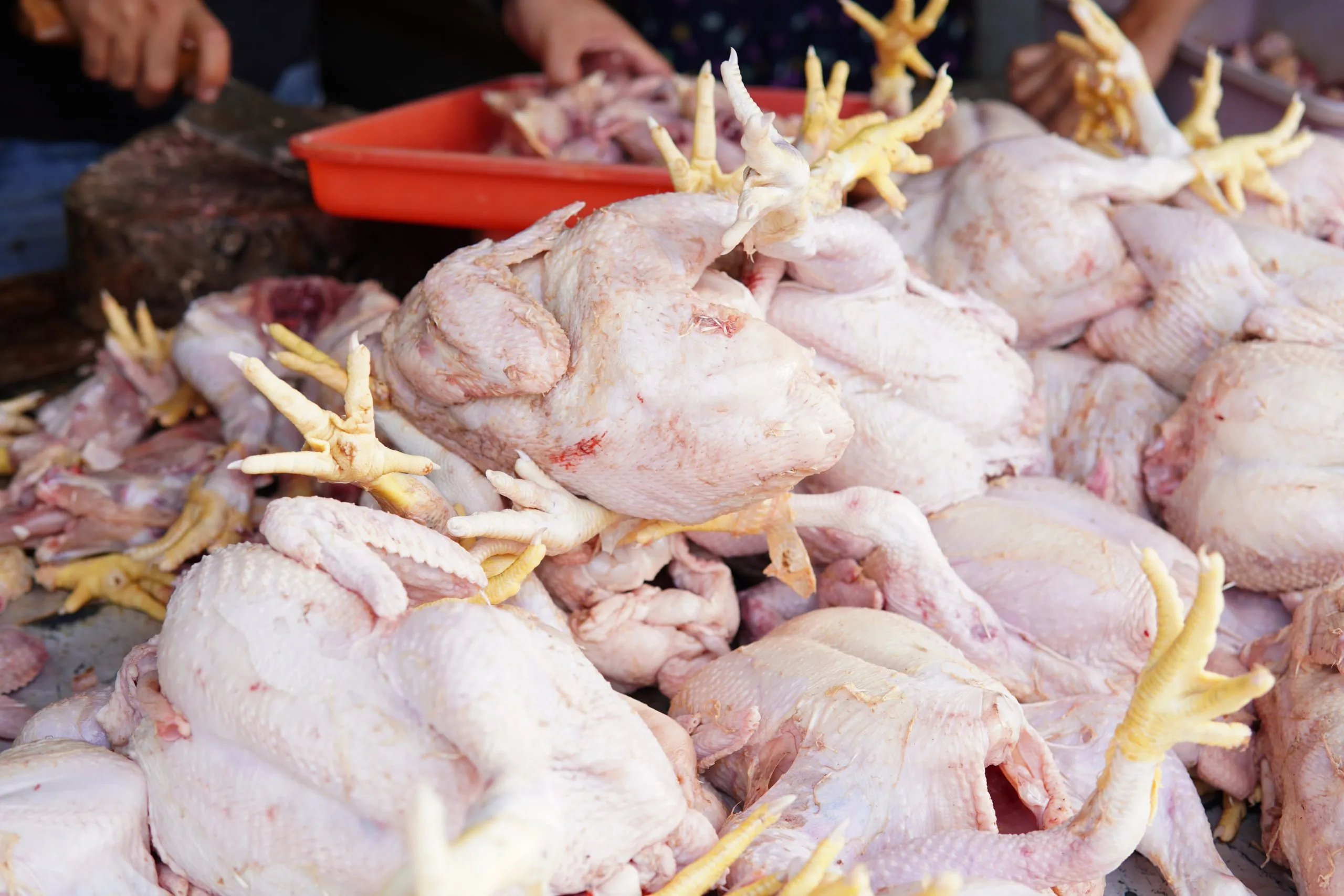
The India Poultry Meat Market is witnessing rapid transformation, fueled by population growth, rising incomes, and changing dietary preferences. Valued at over INR 2.6 trillion, the market is expanding at a strong double-digit pace, reflecting increasing demand for affordable protein. India produces around 4.5–5.6 million tons of poultry meat annually, positioning itself among the leading global producers. Despite this growth, per capita consumption remains relatively low at around 3.5 kg, leaving ample room for expansion. On a human level, poultry is becoming a staple in Indian households, driven by its affordability, versatility, and adaptability to regional cuisines.
Key Drivers Accelerating the India Poultry Meat Market Growth
Rising Income Levels and Protein Consumption Demand
The India Poultry Meat Market is primarily driven by increasing disposable incomes and a growing middle class. As consumers gain purchasing power, there is a clear shift toward protein-rich diets. With poultry being one of the most affordable meat sources, demand continues to grow steadily across both urban and rural populations. Although per capita consumption is around 3.5 kg, it is expected to rise significantly as awareness improves. This indicates a vast untapped opportunity, where even small increases in consumption can drive substantial market growth.
Expansion of Organized Retail and Foodservice Channels
Retail transformation is playing a key role in shaping the India Poultry Meat Market. Traditional retail still dominates with around 45 percent share, but organized retail and e-commerce platforms are rapidly expanding. Quick-service restaurants and food delivery platforms are also boosting poultry demand, especially among younger consumers. This shift toward convenience is driving demand for processed and ready-to-cook poultry products. It reflects changing lifestyles where ease and time-saving solutions are becoming essential.
Growing Production Capacity and Integrated Supply Chains
India’s poultry production ecosystem is strengthening, with output reaching up to 5.6 million tons. The emergence of vertically integrated players has improved efficiency, reduced costs, and enhanced product quality. Additionally, India produces over 140 billion eggs annually, demonstrating a well-developed poultry ecosystem. These advancements are helping the industry scale operations while maintaining affordability. As infrastructure improves, the market is becoming more organized and competitive.
Government Support Strengthening the India Poultry Meat Market
Government initiatives are playing a crucial role in strengthening the India Poultry Meat Market through policies that support livestock development, infrastructure, and exports. Efforts to ensure the availability of affordable feed, improve cold chain logistics, and promote exports are helping the sector grow. Poultry exports have also crossed 1 million tons, highlighting global opportunities. These initiatives are creating a more structured ecosystem, enabling farmers and companies to scale sustainably while improving food security across the country.
Competitive Dynamics in the India Poultry Meat Market
The India Poultry Meat Market is moderately competitive, with a mix of large integrated players and regional producers. Key companies such as Suguna Foods, Godrej Agrovet, and IB Group dominate organized production. At the same time, local and unorganized players continue to play a significant role in distribution. Competition is driven by pricing, product quality, and network reach. Increasing investments in technology, processing, and branding are helping companies gain a competitive edge in this evolving landscape.
Key Challenges Affecting the India Poultry Meat Market
Low Per Capita Consumption and Awareness Gaps
Despite strong production, per capita poultry consumption in India remains relatively low at around 3.5 kg. Limited awareness, cultural preferences, and affordability issues in certain regions continue to restrict higher adoption. Increasing consumer education will be key to unlocking growth potential.
Supply Chain Inefficiencies and Price Volatility
The India Poultry Meat Market faces challenges related to fragmented supply chains and fluctuating feed costs. Variations in corn and soybean prices directly impact production costs. Additionally, limited cold storage infrastructure in some regions affects product quality and distribution efficiency. Addressing these gaps is critical for long-term stability.
Future Outlook
The India Poultry Meat Market is poised for strong growth, supported by rising demand, improving infrastructure, and technological advancements. With a CAGR of nearly 13.8 percent, the market is expected to expand significantly in the coming years. Increasing urbanization, higher incomes, and a shift toward processed poultry products will further drive growth. Looking ahead, the industry is likely to become more organized, with greater emphasis on value-added products, cold chain expansion, and export opportunities. India’s poultry sector is well-positioned to meet both domestic and global demand in the long term.
Consultants at Nexdigm, in their latest publication “India Poultry Meat Market Outlook to 2035,” analyze the sector By Product Type (Broiler Meat, Layer Meat, Processed Poultry Meat, Frozen Poultry Meat), By Bird Type (Chicken, Duck, Turkey, Quail).
Nexdigm suggests that businesses should focus on capturing growth opportunities in the India Poultry Meat Market by expanding production capacities, strengthening cold chain infrastructure, and investing in value-added and ready-to-cook poultry products to meet evolving consumer preferences.
To take the next step, simply visit our Request a Consultation page and share your requirements with us.
Harsh Mittal
+91-8422857704