
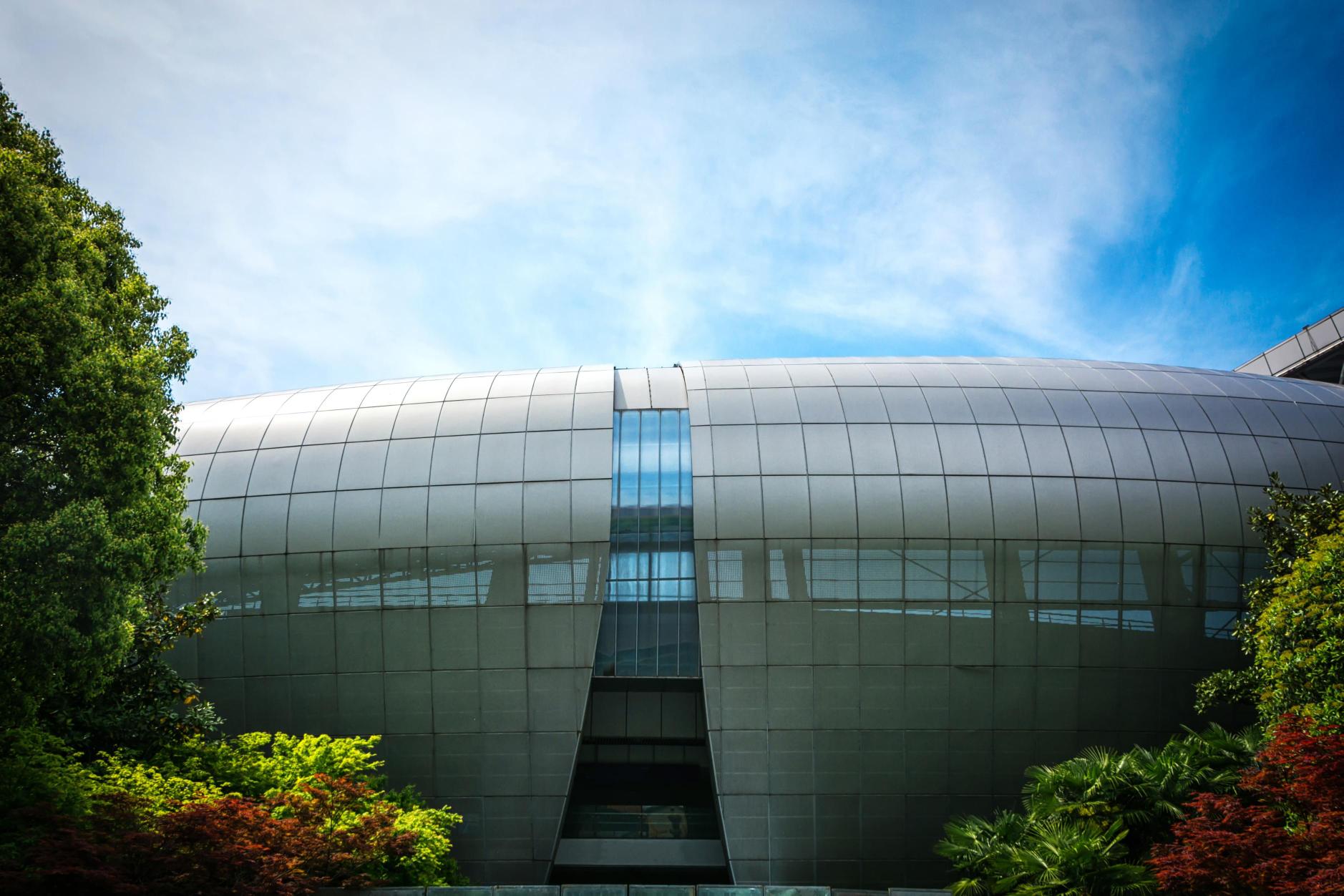
The India rainscreen cladding market is witnessing steady growth, supported by rising investments in commercial construction, high-rise residential projects, institutional buildings, and modern infrastructure developments. Rainscreen cladding systems are increasingly preferred for their ability to improve building aesthetics, energy efficiency, weather protection, and durability. Major metropolitan regions such as Mumbai, Delhi NCR, Bengaluru, Hyderabad, Chennai, and Pune are driving demand due to rapid urbanization and the growing presence of premium residential projects, Grade-A office spaces, airports, and data centers. The market continues to benefit from India’s expanding construction and infrastructure ecosystem.
Market Drivers Advancing the India Rainscreen Cladding Growth
Expansion of Commercial and High-Rise Construction
The rapid development of commercial real estate and high-rise residential buildings is a major growth driver for the India rainscreen cladding market. Developers are increasingly adopting modern façade solutions to improve energy efficiency, structural protection, and architectural appeal. Growing demand for premium office spaces, mixed-use developments, luxury residential complexes, and institutional buildings has accelerated the adoption of rainscreen cladding systems across urban centers.
Growing Data Centre Infrastructure
India’s expanding digital economy has significantly increased demand for data centre facilities. The country currently operates more than 130 data centers covering over 12.5 million square feet and supporting over 1,180 MW of IT load. Additionally, more than 35 new facilities representing over 5.7 million square feet of space and approximately 987 MW of capacity have been announced. These facilities require advanced façade and cladding solutions that provide durability, thermal insulation, and weather resistance, creating strong opportunities for rainscreen cladding manufacturers.
Urbanization and Infrastructure Development
Increasing urban migration and infrastructure investment continues to boost construction activity nationwide. Smart city projects, transportation hubs, airports, healthcare facilities, and educational institutions are increasingly incorporating advanced façade systems. The growing emphasis on sustainable buildings and energy-efficient construction methods is further encouraging the use of rainscreen cladding technologies.
Government Initiatives Supporting India Rainscreen Cladding Industry
Government initiatives aimed at improving urban infrastructure and promoting sustainable construction are supporting market growth. Programs such as Smart Cities Mission, PM Gati Shakti, and large-scale infrastructure investments are encouraging modern building practices across the country. Additionally, green building certifications and energy-efficiency standards are motivating developers to adopt advanced façade solutions, including rainscreen cladding systems, to meet sustainability and performance requirements.
Competitive Landscape of India Rainscreen Cladding Sector
The India rainscreen cladding market is moderately competitive, featuring both domestic and international manufacturers. Companies compete through product innovation, material quality, customization capabilities, and project execution expertise. Aluminium composite panels, fiber cement panels, terracotta cladding, and high-pressure laminate systems remain in popular product categories. Strategic partnerships with architects, façade consultants, and construction firms help market participants strengthen their presence across large commercial and infrastructure projects.
Challenges Impacting India Rainscreen Cladding Industry
Volatility in Raw Material Costs
Fluctuating prices of aluminium, metals, polymers, and other construction materials can impact manufacturing costs and profit margins. These variations often create pricing challenges for suppliers and contractors.
High Initial Installation Costs
Although rainscreen cladding offers long-term benefits, the initial investment remains relatively high compared to traditional exterior wall solutions. This can limit adoption among cost-sensitive developers, particularly in smaller construction projects.
Future Outlook
The future of the India rainscreen cladding market remains positive, supported by increasing urbanization, growing commercial real estate investments, expanding data centre infrastructure, and strong infrastructure development activity. Rising awareness of sustainable construction practices and energy-efficient building designs is expected to strengthen demand for advanced façade solutions. Continuous technological advancements in cladding materials, improved fire safety standards, and the development of smart buildings will create new growth opportunities. As construction activity expands across major metropolitan and emerging cities, rainscreen cladding adoption is expected to increase steadily over the coming years.
Consultants at Nexdigm, in their latest publication “India Rainscreen Cladding Market Outlook to 2035 ,” analyze the sector By (Market Definitions and Assumptions, India Rainscreen Cladding Market Classification, Building-Envelope Scope, Ventilated Facade Mapping, Pressure-Equalized Rainscreen Assessment, Open-Joint Rainscreen Assessment, Closed-Joint Rainscreen Assessment, Terracotta Cladding Assessment,).
Nexdigm suggests that businesses in the India Rainscreen Cladding Industry focus on opportunities arising from rapid urbanization, high-rise construction, expanding data centre developments, and increasing adoption of energy-efficient façade solutions. Strategic investments in innovative and sustainable cladding systems can help companies strengthen their competitive position and capture growing demand.
To take the next step, simply visit our Request a Consultation page and share your requirements with us.
Harsh Mittal
+91-8422857704