
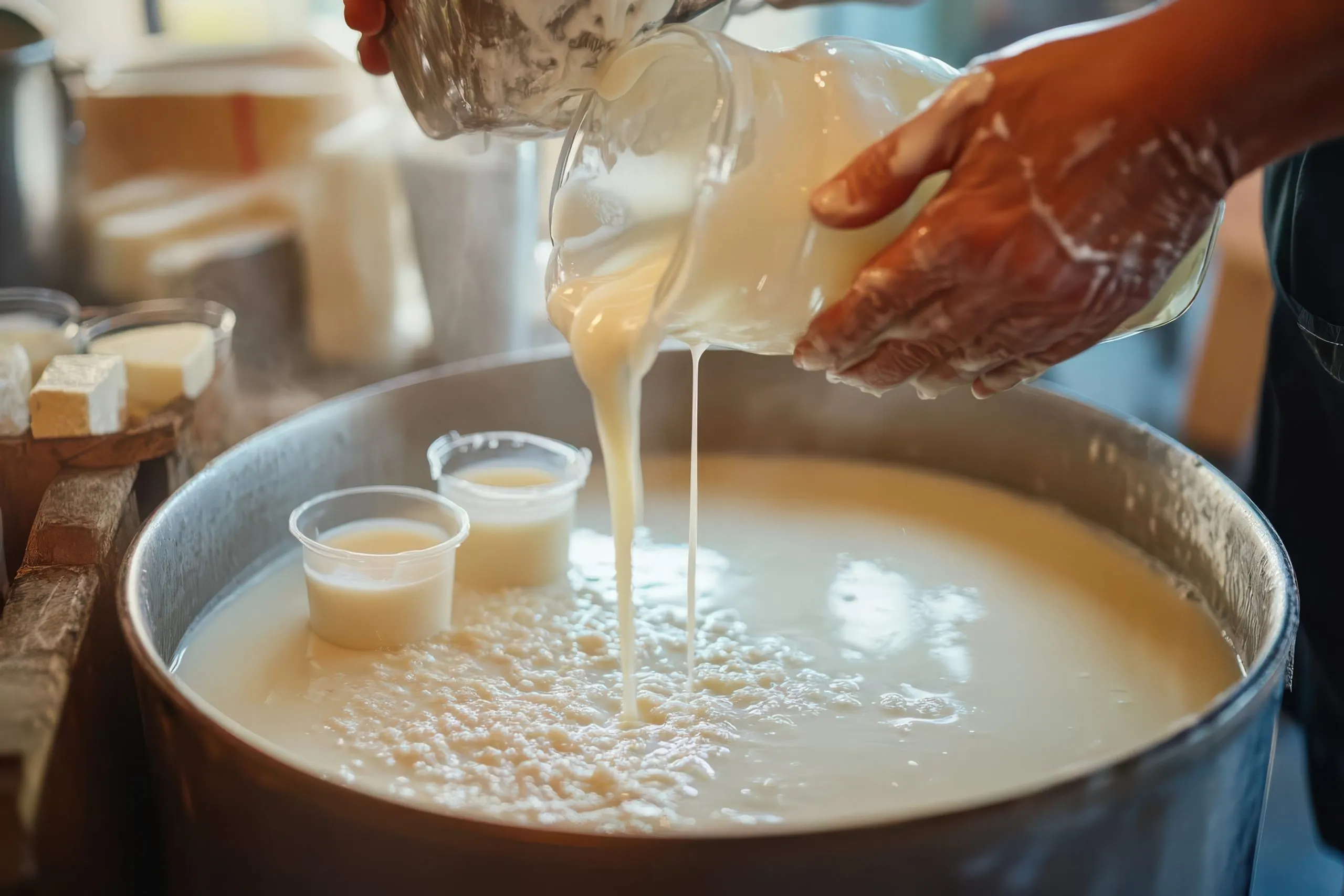
The India Reconstituted Milk Market is witnessing strong growth as dairy processors, food manufacturers, and consumers increasingly adopt convenient and shelf-stable dairy solutions. Reconstituted milk, made by rehydrating milk powder with water, plays a vital role in balancing seasonal fluctuations in milk supply while ensuring consistent product availability. The market generated approximately USD 9.1 billion in revenue and is projected to reach nearly USD 19.1 billion, growing at a CAGR of 9.6%. India’s position as the world’s largest milk producer, coupled with rising demand for packaged dairy products, is creating significant growth opportunities across the market.
Key Growth Drivers Accelerating the India Reconstituted Milk Market
Expanding Dairy Consumption and Rising Milk Demand
One of the biggest growth drivers for the India Reconstituted Milk Market is the continuous rise in dairy consumption. With increasing urbanization, changing dietary habits, and growing disposable incomes, consumers are demanding a wider range of dairy products, including milk beverages, yogurt, cheese, and desserts. Reconstituted milk helps manufacturers maintain a stable supply and meet this growing demand throughout the year. India’s milk production reached approximately 239.3 million tonnes, while per capita milk availability climbed to around 471 grams per day. These strong consumption fundamentals are encouraging dairy companies to invest in milk powder processing and reconstitution technologies to improve efficiency and ensure uninterrupted supply.
Growth of UHT Milk, Dairy Beverages, and Food Processing
The growing popularity of UHT milk and packaged dairy beverages is significantly boosting the India Reconstituted Milk Market. Consumers increasingly prefer products that offer longer shelf life and convenience, especially in urban areas where busy lifestyles drive demand for ready-to-consume products. Beyond direct consumption, reconstituted milk is widely used in bakery products, confectionery, sweets, dairy beverages, ice cream, and processed foods. Food manufacturers value its consistency, flexibility, and cost-effectiveness, making it an important ingredient across multiple segments of the food and beverage industry.
Strong Dairy Infrastructure and Milk Powder Utilization
India’s extensive dairy infrastructure provides a solid foundation for market growth. Large cooperative networks, private dairy processors, milk powder manufacturing facilities, and modern distribution systems support efficient production and utilization of reconstituted milk products. States such as Uttar Pradesh, Gujarat, Rajasthan, Maharashtra, Andhra Pradesh, Karnataka, and Punjab serve as major dairy hubs. These regions combine strong milk production capabilities with robust processing infrastructure, enabling manufacturers to efficiently convert milk into powder and reconstituted formats whenever required.
Government and Dairy Development Initiatives Supporting the India Reconstituted Milk Market
Government programs aimed at strengthening dairy infrastructure, improving milk productivity, and supporting rural dairy farmers are indirectly contributing to the growth of the India Reconstituted Milk Market. National initiatives focused on dairy development, cooperative expansion, and cold-chain modernization continue to enhance the overall efficiency of the dairy value chain. In addition, policy support for food processing and value-added dairy products is encouraging investments in milk powder production and advanced dairy technologies. These efforts are helping ensure consistent milk availability while supporting the industry’s long-term sustainability and competitiveness.
Competitive Landscape of the India Reconstituted Milk Market
The India Reconstituted Milk Market is characterized by the presence of cooperative dairy organizations, private dairy companies, multinational food manufacturers, and ingredient suppliers. Market participants compete through product quality, supply chain efficiency, processing capabilities, and pricing strategies. Companies are increasingly investing in milk powder production, value-added dairy products, fortified formulations, and advanced processing technologies. Strategic partnerships with foodservice providers, institutional buyers, retailers, and dairy cooperatives are helping strengthen market penetration and enhance customer reach.
Key Challenges Facing the India Reconstituted Milk Market
Volatility in Milk Powder Prices
One of the major challenges facing the India Reconstituted Milk Market is the fluctuation in skimmed milk powder and whole milk powder prices. Changes in milk production levels, seasonal demand patterns, and input costs can affect pricing, creating uncertainty for manufacturers and processors. These fluctuations can impact production costs and profit margins, making efficient procurement and inventory management critical for maintaining operational stability.
Competition from Fresh Milk and Alternative Beverages
The market also faces competition from fresh liquid milk, which remains deeply embedded in Indian consumer preferences. Additionally, the growing popularity of plant-based beverages is gradually increasing competition within the broader dairy and beverage sector. To stay competitive, manufacturers must focus on quality, affordability, convenience, and nutritional enhancements while educating consumers about the benefits of reconstituted dairy products.
Future Outlook
The future of the India Reconstituted Milk Market appears highly promising, supported by rising dairy consumption, expanding food processing activities, and increasing adoption of shelf-stable dairy products. The market is expected to approach USD 19 billion, making India one of the fastest-growing reconstituted milk markets in the Asia-Pacific region. Emerging trends such as fortified dairy beverages, UHT milk expansion, advanced reconstitution technologies, and growing demand from HoReCa and institutional segments will continue creating new growth opportunities. As consumers increasingly seek convenience, consistency, and high-quality dairy products, reconstituted milk is poised to become an even more important component of India’s evolving dairy ecosystem.
Consultants at Nexdigm, in their latest publication “India Reconstituted Milk Market Outlook to 2035,” analyze the sector By Product Type (Skimmed Reconstituted Milk, Whole Reconstituted Milk, Recombined Milk), By Distribution Channel (Cooperative Milk Booths and Parlours, Kirana and General Trade, Modern Trade and Supermarkets).
Nexdigm suggests that industry participants should strengthen milk powder processing capabilities, focus on value-added dairy innovations, expand institutional partnerships, and improve supply chain resilience to capitalize on the growing opportunities within the India Reconstituted Milk Market.
To take the next step, simply visit our Request a Consultation page and share your requirements with us.
Harsh Mittal
+91-8422857704