
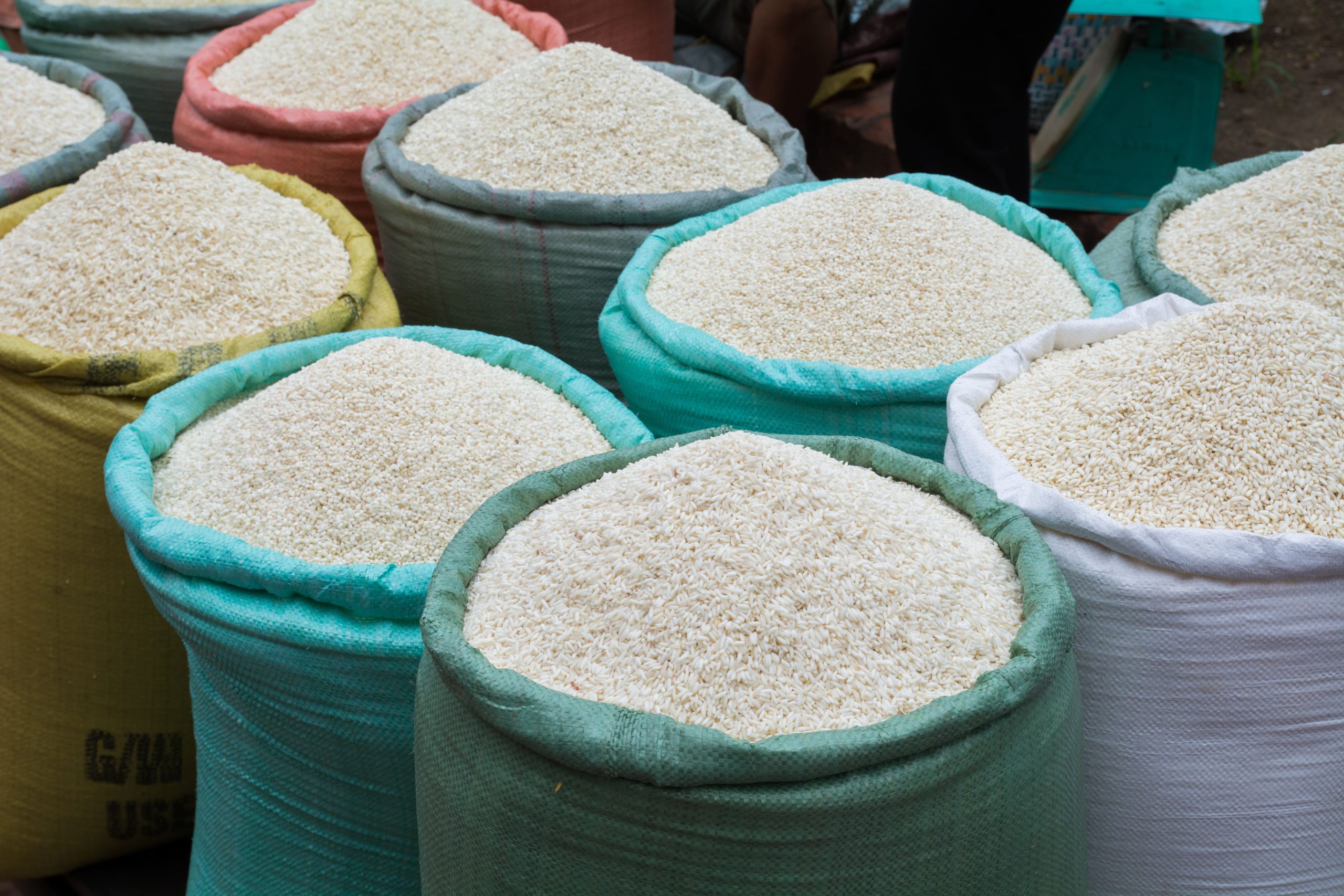
The India rice seed market is experiencing structural transformation as the country strengthens food security, climate resilience, and farmer income objectives. Rice remains India’s most important staple crop, accounting for over 40% of total food grain production and serving as a key export commodity. As of 2026, India continues to be the world’s largest rice exporter and among the top two rice producers globally. However, the seed segment is still dominated by farm-saved seeds and conventional varieties, with certified and hybrid seed penetration remaining uneven across states. The market is witnessing increasing private-sector participation, stronger R&D pipelines, and growing farmer awareness, positioning the rice seed segment as a strategic lever for India’s agri-value chain modernization.
What’s Driving the Rice Seed Market in India?
Shift Toward High-Yielding and Climate-Resilient Varieties
Climate volatility, erratic monsoons, and rising incidences of drought and flooding are compelling farmers to adopt high-yielding and stress-tolerant rice varieties. Demand is increasing for seeds with traits such as drought tolerance, submergence tolerance, salinity resistance, and shorter crop cycles. Varieties suited for direct-seeded rice (DSR) are also gaining traction as farmers seek to reduce water usage and labor dependency. This shift is accelerating the replacement rate of traditional farm-saved seeds with certified seeds.
Rising Hybrid Rice Adoption in High-Potential States
Hybrid rice penetration remains relatively low compared to China and Southeast Asia, but adoption is expanding steadily in states such as Uttar Pradesh, Bihar, Chhattisgarh, Odisha, and parts of Andhra Pradesh and Telangana. Hybrid seeds offer 15–25% yield advantage over conventional varieties, making them attractive for commercial farmers and farmer producer organizations (FPOs). Private seed companies are expanding localized hybrid portfolios to improve adaptability across agro-climatic zones, supporting incremental market growth.
Export Demand and Quality Standardization
India’s strong position in global rice exports, particularly for basmati and non-basmati varieties, is driving demand for quality-assured seeds that meet export-grade specifications. Contract farming arrangements and miller-led procurement models are encouraging farmers to use certified seeds to ensure grain uniformity, higher head rice recovery, and better milling yields. This linkage between seed quality and downstream export value is strengthening commercial seed demand.
Government-Led Initiatives Supporting Seed Adoption
The Indian government continues to promote the use of quality seeds through the National Food Security Mission (NFSM), Sub-Mission on Seeds and Planting Material (SMSP), and state-level seed subsidy programs. Increased budgetary allocations for seed replacement, breeder seed production, and demonstration plots are improving farmer access to improved rice varieties. The promotion of Direct Seeded Rice (DSR) under water conservation initiatives and the expansion of climate-resilient agriculture programs are further encouraging adoption of newer seed technologies. Additionally, digitization of seed distribution channels and traceability initiatives are improving transparency and reducing spurious seed circulation.
Market Competition and Private Sector Expansion
The India rice seed market is moderately competitive, with a mix of public institutions and private seed companies shaping varietal development and commercialization. Public research bodies such as ICAR and state agricultural universities continue to dominate breeder and foundation seed development, while private players including Bayer Crop Science, Corteva Agriscience, Syngenta India, UPL Limited, and several domestic seed firms are expanding hybrid portfolios and farmer outreach. Private investment in trait development, region-specific hybrids, and field demonstration programs is intensifying competition. Partnerships between seed companies and FPOs are improving last-mile distribution, particularly in eastern India where certified seed penetration remains low.
Low Seed Replacement Rates and Informal Channels
Despite policy support, the rice seed market continues to face challenges from low seed replacement rates, especially in rainfed and smallholder-dominated regions. A significant share of farmers still rely on farm-saved seeds due to cost sensitivity, limited awareness, and inconsistent availability of certified seeds during peak sowing windows. The prevalence of informal seed channels and counterfeit seeds affects farmer trust and performance outcomes. Additionally, hybrid seed affordability remains a barrier for marginal farmers, slowing widespread adoption despite yield advantages.
Future Outlook
The India rice seed market is expected to witness steady growth through 2035, driven by rising hybrid penetration, varietal upgrades, and climate-adaptive agriculture. By 2035, certified seed replacement rates in major rice-growing states are expected to improve significantly, supported by stronger extension services, digital advisory platforms, and improved last-mile logistics. Hybrid rice adoption is projected to expand into non-traditional belts as localized hybrids demonstrate better yield stability and grain quality. Biofortified rice varieties addressing nutrition security and premium export-oriented basmati hybrids are also expected to gain market share.
Consultants at Nexdigm, in their latest publication “India Rice Seed Market Outlook to 2035”, analyzed the market by Seed Type (Open-Pollinated Varieties, Hybrid Seeds, Biofortified and Specialty Varieties), By Trait (High-Yielding, Drought Tolerant, Flood Tolerant, Salinity Resistant), By Farming Practice (Transplanted Rice, Direct Seeded Rice), and By Distribution Channel (Government Agencies, Private Dealers, Cooperatives, Digital Platforms). Nexdigm believes that businesses should prioritize localized hybrid development, farmer education on seed replacement benefits, and partnerships with FPOs and agri-tech platforms to improve market penetration and trust in certified rice seeds.
To take the next step, simply visit our Request a Consultation page and share your requirements with us.
Harsh Mittal
+91-8422857704