
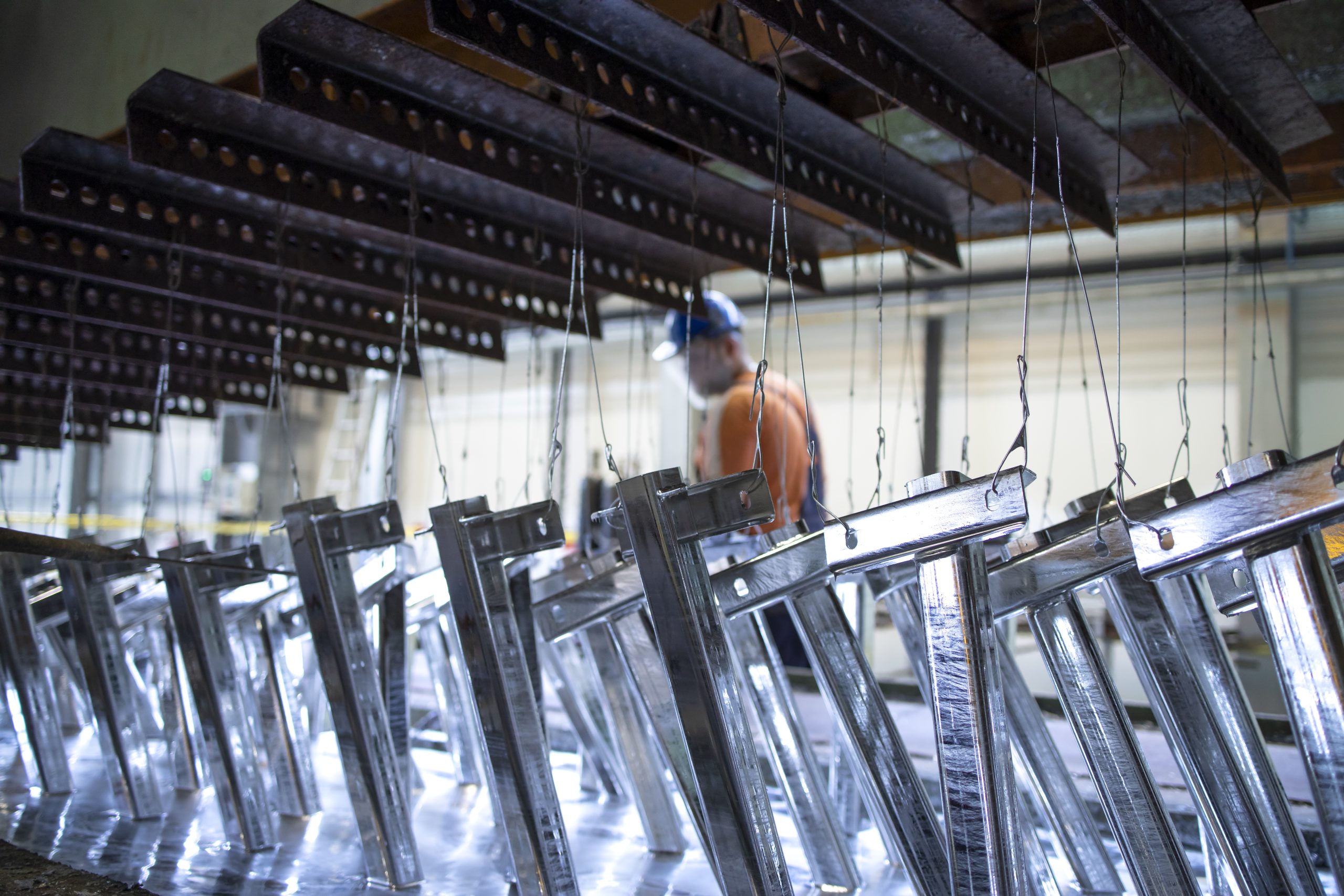
The India sintered steel market is supported by expanding demand for precision-engineered, material-efficient, and high-volume metal components across automotive, industrial machinery, electrical equipment, appliances, and engineering applications. Powder metallurgy enables manufacturers to produce complex components with limited machining and lower material waste. India manufactured approximately 31.0 million vehicles in FY2024–25, while crude steel production reached around 149.6 million tonnes. Expanding vehicle manufacturing, component localization, industrial automation, and advanced engineering requirements are creating opportunities for higher-density and performance-oriented sintered steel products.
Key Market Drivers of India Sintered Steel Market
Strong Automotive Component Demand
Automotive manufacturing represents one of the most important application areas for sintered steel components in India. Total vehicle production reached approximately 31.0 million units in FY2024–25, including about 23.88 million two-wheelers, 5.06 million passenger vehicles, 1.05 million three-wheelers, and 1.03 million commercial vehicles. Sintered steel is widely used in gears, sprockets, bearings, oil-pump components, transmission parts, structural components, and other precision assemblies. Industry data has historically indicated that automotive applications account for a substantial majority of Indian powder-metallurgy demand, highlighting the close relationship between vehicle manufacturing and sintered component consumption.
Expanding Automotive Component Manufacturing
India has developed a substantial automotive-component manufacturing ecosystem serving domestic vehicle producers and international customers. The automotive component industry recorded turnover of approximately USD 80.2 billion in FY2024–25, increasing 9.6% from the previous year. Sales to domestic vehicle manufacturers reached around USD 67.9 billion, while component exports stood near USD 22.9 billion. Sintered steel supports this ecosystem by enabling near-net-shape manufacturing, reducing machining requirements, improving material utilization, and maintaining consistent dimensional accuracy across high-volume production runs.
Growing Industrial and Steel Manufacturing Base
India produced approximately 149.6 million tonnes of crude steel, reinforcing its position as one of the world’s largest steel-producing countries. A broad domestic engineering ecosystem covering industrial machinery, appliances, agricultural equipment, electrical systems, power tools, and precision components supports additional demand beyond automotive applications. Sintered steel manufacturers can benefit from growing access to tooling, heat treatment, machining, raw materials, and downstream manufacturing capabilities as India continues to expand its industrial production base.
Government Support towards India Sintered Steel Market
Government programs supporting automotive localization, advanced manufacturing, and domestic component production are creating a favorable environment for sintered steel demand. The Production Linked Incentive Scheme for Automobile and Auto Components has an outlay of ₹25,938 crore and encourages production of advanced automotive technologies and components. Manufacturing initiatives such as Make in India and broader industrial localization programs are also supporting investment in engineering capabilities, domestic supply chains, automation, and higher-value component manufacturing.
Competitive Landscape of India Sintered Steel Market
The India sintered steel market includes domestic powder-metallurgy manufacturers, multinational materials companies, automotive component suppliers, and precision-engineering businesses. Competition is based on material quality, component density, dimensional accuracy, tooling capabilities, production scale, heat-treatment expertise, engineering support, and relationships with automotive OEMs and Tier-1 suppliers.
Market Challenges of India Sintered Steel Market
Raw Material and Energy Cost Volatility
Sintered steel manufacturers remain exposed to fluctuations in iron powder, alloying materials, electricity, furnace fuel, transportation, and specialized input costs. Changes in raw-material availability or energy prices can influence production economics, particularly for companies operating in highly competitive automotive supply chains.
Transition in Automotive Technologies
The transition toward electric vehicles may alter traditional demand patterns because battery-electric vehicles generally require fewer conventional engine and transmission components than internal-combustion vehicles. Sintered steel suppliers therefore need to expand into EV motor systems, structural components, industrial machinery, electrical applications, soft-magnetic materials, and other emerging uses to diversify their customer base.
Future Outlook
The India sintered steel market is expected to benefit from automotive localization, industrial expansion, automation, electric mobility, and growing demand for precision-engineered components. Future opportunities should increasingly emerge from high-density gears, EV motor components, soft-magnetic parts, industrial automation, agricultural machinery, appliances, and advanced engineering applications. Manufacturers combining improved powder formulations, efficient sintering technologies, automation, strong tooling expertise, and application engineering should be better positioned to diversify beyond conventional automotive demand.
Consultants at Nexdigm, in their latest publication “India Sintered Steel Market Outlook to 2035,” analyze the sector By Manufacturing Process (Powder Mixing and Blending, Compaction and Pressing, Conventional Press-and-Sinter, Warm Compaction, Metal Injection Molding), By Application (Engine Components, Transmission and Gear Components, Motor and Pump Components, Bearing and Brushing Components)
Nexdigm suggests that businesses in the India sintered steel market should invest in advanced powder metallurgy, diversify toward electric vehicles and industrial applications, strengthen domestic supply chains, improve production efficiency, and develop higher-density precision components to capitalize on expanding automotive localization and manufacturing growth.
To take the next step, simply visit our Request a Consultation page and share your requirements with us.
Harsh Mittal
+91-8422857704