
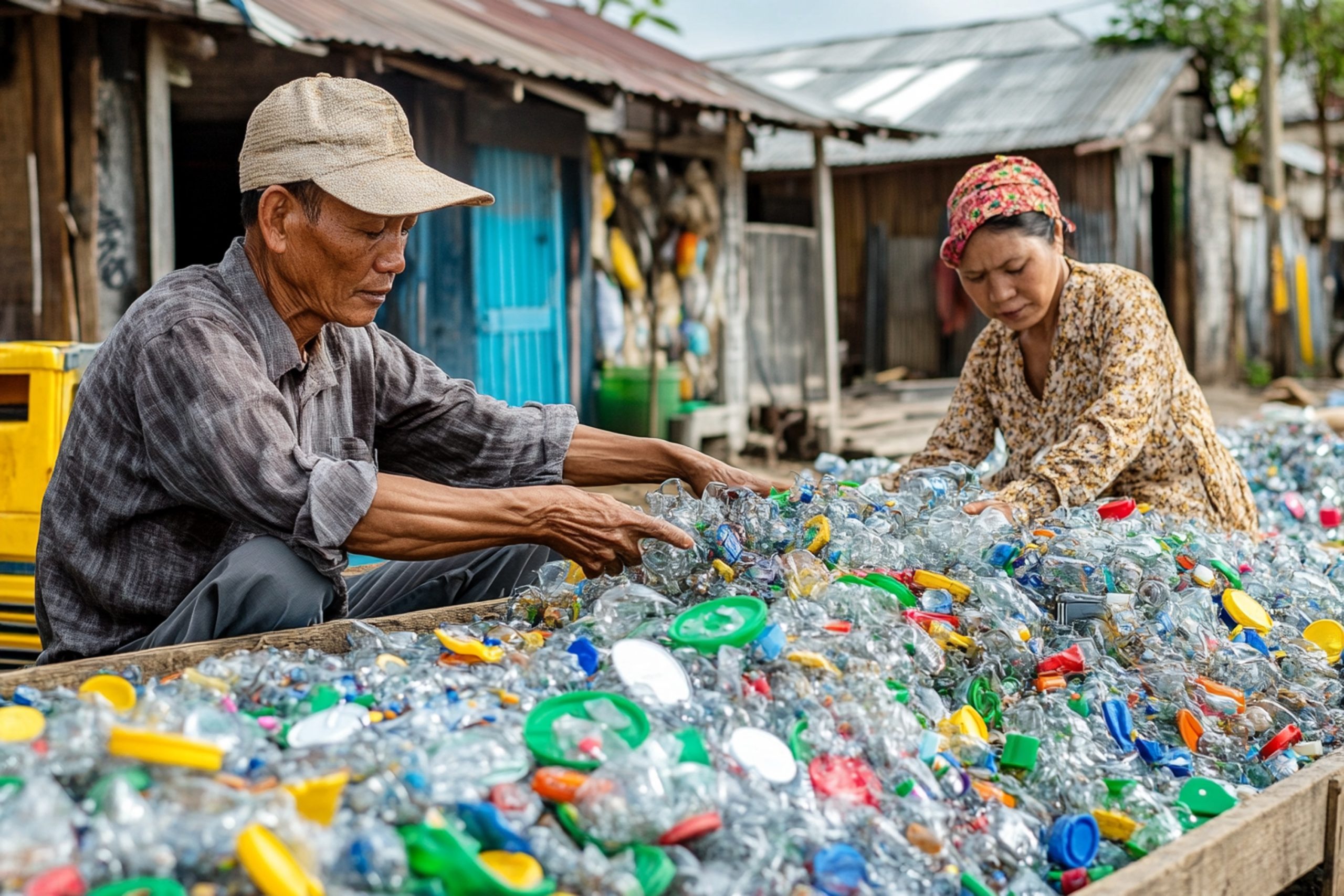
India’s plastics industry is entering a new phase, supported by rising consumption, infrastructure development, urbanization, and an expanding manufacturing base. Demand is growing across packaging, construction, automotive, agriculture, healthcare, and electronics, while sustainability is changing how plastics are produced and used. India’s plastics exports already exceed USD 12.5 billion, with products reaching more than 200 countries. At the same time, the government has outlined an ambition to build a USD 100 billion domestic plastics market, opening new possibilities for manufacturers, processors, recyclers, and companies developing next-generation materials.
Market Drivers Creating Fresh Demand for Plastics in India
Everyday Consumption Keeps Packaging Demand Moving
From packaged foods and medicines to personal care products and online deliveries, plastics remain closely linked to India’s growing consumer economy. Their lightweight nature, durability, and relatively low cost make them particularly useful for packaging. However, customers and brands are increasingly looking beyond conventional formats. Demand for recyclable packaging, mono-material designs, and recycled-content solutions is encouraging manufacturers to rethink products while maintaining the affordability and performance expected by consumers.
Infrastructure and Mobility Open New Avenues for Growth
India’s infrastructure expansion is widening the role of plastics beyond packaging. Pipes, insulation, flooring, cables, electrical components, and other building materials are creating demand for durable polymer solutions. Transportation offers another opportunity as automakers look to reduce vehicle weight and improve efficiency. Electric vehicles could further increase demand for engineering plastics used in battery systems, electrical insulation, thermal management, and lightweight components. India produced 58.6 million tonnes of major chemicals and petrochemicals in FY2024–25, highlighting the scale of the industrial ecosystem supporting downstream materials.
Indian Plastics Find a Bigger Place in Global Markets
Exports are becoming another important growth avenue. India exported USD 6.407 billion of plastics during April–September 2025, compared with USD 6.123 billion during the same period a year earlier, representing growth of about 4.6%. As Indian manufacturers expand internationally, meeting global expectations around product quality, consistency, recyclability, and sustainability will become increasingly important.
Indian Government Policies Shaping the Plastics Industry
Government initiatives are supporting domestic processing capacity and industrial clusters. Under the Plastic Parks Scheme, 10 parks have been approved, with government assistance covering up to 50% of eligible project costs, subject to a ceiling of ₹40 crore per project. At the same time, Plastic Waste Management rules and Extended Producer Responsibility requirements are pushing producers toward stronger collection, recycling, and circularity practices.
Market Competitors Affecting the Plastic Industry Growth in India
India’s plastics ecosystem includes major petrochemical producers, packaging companies, converters, recyclers, and a large network of smaller processors. While pricing and scale remain important, competition is gradually moving toward product quality, customization, material performance, recycled content, and manufacturing efficiency. Companies investing in engineering plastics, modern processing technologies, reliable recycling networks, and export-quality production are expanding their ability to address both domestic and international opportunities.
Challenges Bringing New Pressures within the Indian Plastics Industry
Recycling Systems Need to Keep Pace
Higher plastic consumption inevitably creates more pressure on collection, segregation, and recycling infrastructure. India’s EPR framework is gradually tightening recycling requirements for plastic packaging. For Category I plastic packaging, the minimum recycling target rises from 60% in 2025–26 to 80% from 2027–28 onward, increasing the need for dependable recycling capacity and traceable waste-management systems.
Balancing Affordability With Sustainability
The industry also faces the challenge of keeping products affordable while improving recyclability and incorporating recycled materials. Fluctuating feedstock prices, technology investments, regulatory compliance, and inconsistent availability of quality recycled material can increase costs. These pressures may be particularly significant for smaller processors operating with limited capital and technology resources.
Future Outlook
Looking ahead, India’s plastics market is likely to grow not only in scale but also in sophistication. The government has articulated ambitions for a USD 100 billion domestic plastics market and USD 25 billion in plastics exports, highlighting the potential size of the opportunity. Packaging and infrastructure should continue to generate substantial demand, while engineering polymers, recycled materials, automotive applications, and specialized plastics create new avenues for value creation. Companies that combine efficient manufacturing with innovation, quality, recycling capabilities, and stronger sustainability practices will be better equipped to capture emerging opportunities across the plastics value chain.
Consultants at Nexdigm, in their latest publication “India Plastics Market Outlook to 2035,” analyze the sector By Polymer Type (Polyethylene, High density Polyethylene, Low Density Polyethylene, Polypropylene, Polyurethane and Polyvinyl Chloride), By Product Form (Plastic Films and Sheets, Plastic Foams and Plastic Mold and Components), By Region (Western India, Northern India, Gujarat, Maharashtra and Eastern India).
Nexdigm suggests that businesses in India Plastics Market should prioritize advanced materials and sustainable manufacturing while strengthening domestic supply chains. Companies should invest in technology, improve product quality, meet evolving EPR requirements, and pursue opportunities across packaging, infrastructure, automotive, and exports.
To take the next step, simply visit our Request a Consultation page and share your requirements with us.
Harsh Mittal
+91-8422857704