
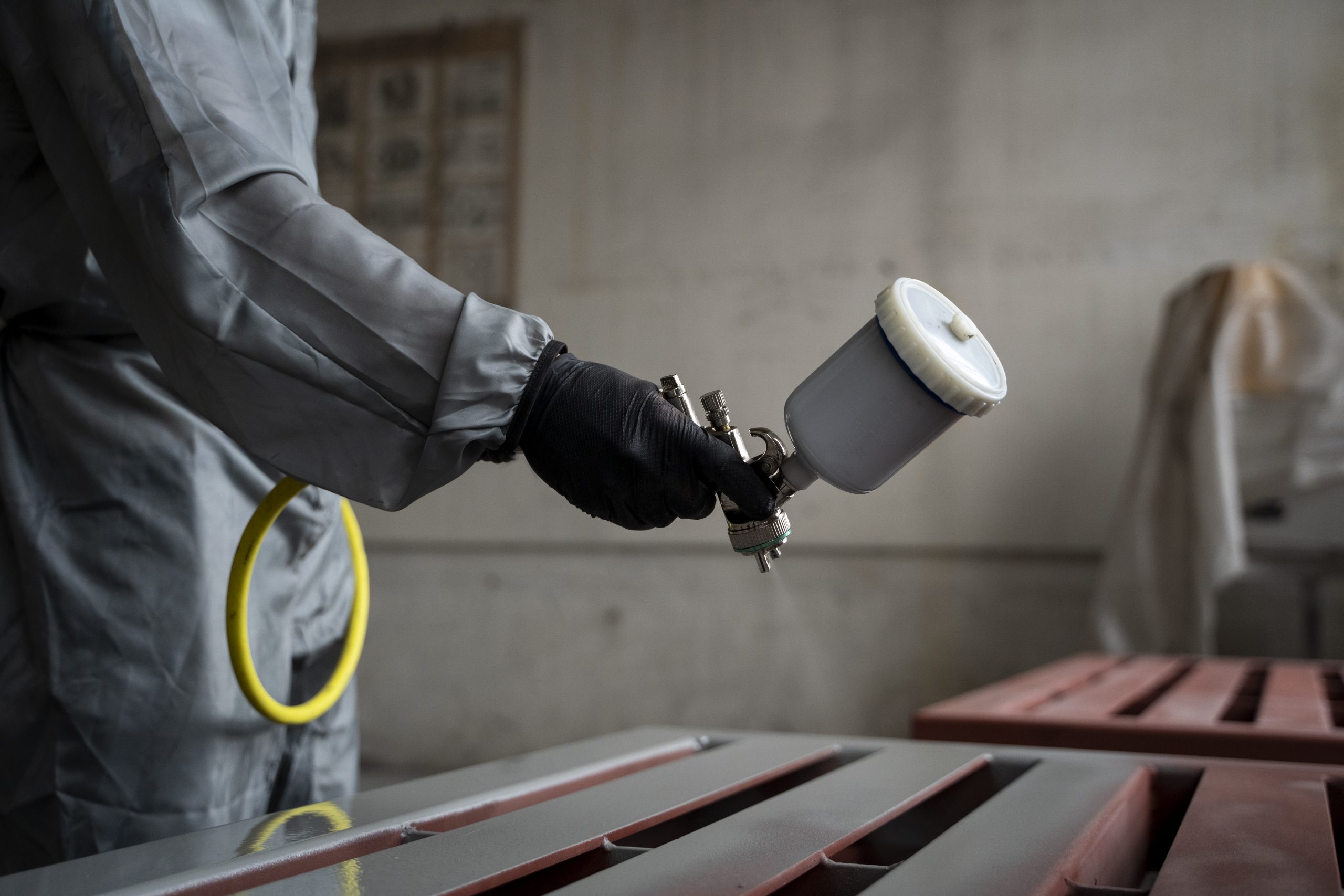
Indonesia’s gelcoat market is developing alongside the country’s growing use of fiberglass and reinforced composites. Gelcoat provides the smooth outer finish on composite products while helping protect surfaces from moisture, UV exposure, chemicals, and general wear. Indonesia’s fiberglass market was valued at approximately USD 370.1 million, according to MarketsandMarkets. Marine, construction, automotive, infrastructure, and renewable-energy applications are creating a broader customer base for composite materials. For gelcoat suppliers, this expanding ecosystem offers opportunities to provide coatings that combine durability, attractive finishes, weather resistance, and reliable performance in Indonesia’s tropical operating conditions.
Factors Driving Gelcoat Demand in Indonesia’s Ecosystem
Indonesia’s Maritime Economy Supports Continued Marine Applications
Indonesia’s geography makes marine applications particularly important for gelcoat suppliers. Fishing boats, passenger vessels, recreational craft, and other fiberglass structures need surfaces that can withstand water, sunlight, humidity, and physical wear. Gelcoat provides a protective barrier while giving the finished component a smooth and durable appearance. Recent market research found that Indonesia’s marine gelcoat imports increased 5.59% between 2023 and 2024, while imports recorded a 6.58% CAGR from 2020 to 2024. This indicates an established demand base for marine-grade products, although annual import volumes can fluctuate.
Construction and Infrastructure Are Broadening Composite Applications
Fiberglass composites are becoming increasingly useful in construction and infrastructure because they offer strength, corrosion resistance, and relatively low weight. Applications can include pipes, tanks, panels, structural components, and other products exposed to moisture or chemicals. Indonesia’s fiberglass market research identifies construction and infrastructure as important application areas alongside marine and automotive uses. As manufacturers and infrastructure developers consider more durable composite materials, gelcoat can benefit by providing additional protection and improving the service life of finished products.
Automotive and Renewable Energy Add Further Growth Opportunities
Indonesia’s automotive sector provides another potential avenue for composite adoption. Fiberglass materials can help reduce component weight while maintaining strength and durability. The country’s composites industry also serves transportation, electrical and electronics, pipes and tanks, and renewable-energy applications. For gelcoat suppliers, this diversity matters. Demand does not depend on a single industry, and specialized coatings can be developed for components exposed to sunlight, humidity, chemicals, and mechanical stress.
Government Policies Supporting Indonesia’s Gelcoat Industry Ecosystem
Indonesia is placing greater emphasis on downstream manufacturing and domestic value creation. Government data show that downstream investment reached IDR 584.1 trillion, representing a 43.3% year-on-year increase, with marine and fisheries receiving IDR 6.4 trillion. Continued investment in manufacturing, maritime activities, and clean-energy industries can indirectly support demand for composite materials and the gelcoat products used to protect them.
Competitive Insights of Indonesia’s Gelcoat Industry
Indonesia’s gelcoat market includes international chemical suppliers, resin manufacturers, distributors, composite producers, and specialized formulators. Competition increasingly depends on product performance rather than price alone. Buyers consider factors such as curing behavior, surface finish, UV resistance, chemical resistance, availability, and technical support. Suppliers that can provide application-specific formulations and dependable local distribution may be better positioned to serve marine, construction, automotive, and industrial customers.
Market Challenges Affecting Indonesia’s Gelcoat Sector
Imported Materials Can Expose Manufacturers to Cost Fluctuations
Indonesia’s composite supply chain remains exposed to international sourcing for some key inputs. Research estimates that 60–80% of raw resin and reinforcement inputs are sourced from overseas in parts of the glass-fiber-reinforced epoxy market. Similar exposure can affect gelcoat producers when specialty resins, pigments, catalysts, and additives face price or availability changes.
Environmental Expectations Are Influencing Product Development
Sustainability is becoming more relevant to composite manufacturers and their suppliers. Customers increasingly want lower-emission and more environmentally responsible coating systems without giving up gloss, durability, curing performance, or ease of application. Gelcoat producers therefore need to balance environmental improvements with the practical performance requirements of Indonesia’s hot and humid operating conditions.
Future Outlook
As Indonesia’s gelcoat industry evolves, it is well positioned for sustained growth as fiberglass and composite materials gain wider applications across the marine, infrastructure, construction, automotive, and industrial sectors. The country’s fiberglass market provides a strong and established demand base, while marine gelcoat imports have demonstrated positive long-term growth. Going forward, customers are expected to prefer coatings that offer superior weather resistance, longer service life, easier application, and enhanced environmental performance. Suppliers that combine reliable formulations with local technical expertise and customized solutions will be well placed to capitalize on emerging opportunities and meet evolving customer requirements.
Consultants at Nexdigm, in their latest publication “Indonesia Gelcoat Market Outlook to 2035,” analyze the sector By Resin Chemistry (Epoxy, Vinyl Ester, Ortho phthalic Polyester, Bio- Based and Low Carbon Gelcoat), By Product Type (Tooling, Barrier, Conductive, High Gloss Decorative Gelcoat), By Application Method (Spray, Airless Spray, Brush and Roller Applied Gelcoat).
Nexdigm suggests that businesses in Indonesia’s Gelcoat Industry must focus on strengthening local sourcing, investing in sustainable formulation development and building technical capabilities across advanced composite applications to meet evolving performance requirements.
To take the next step, simply visit our Request a Consultation page and share your requirements with us.
Harsh Mittal
+91-8422857704