
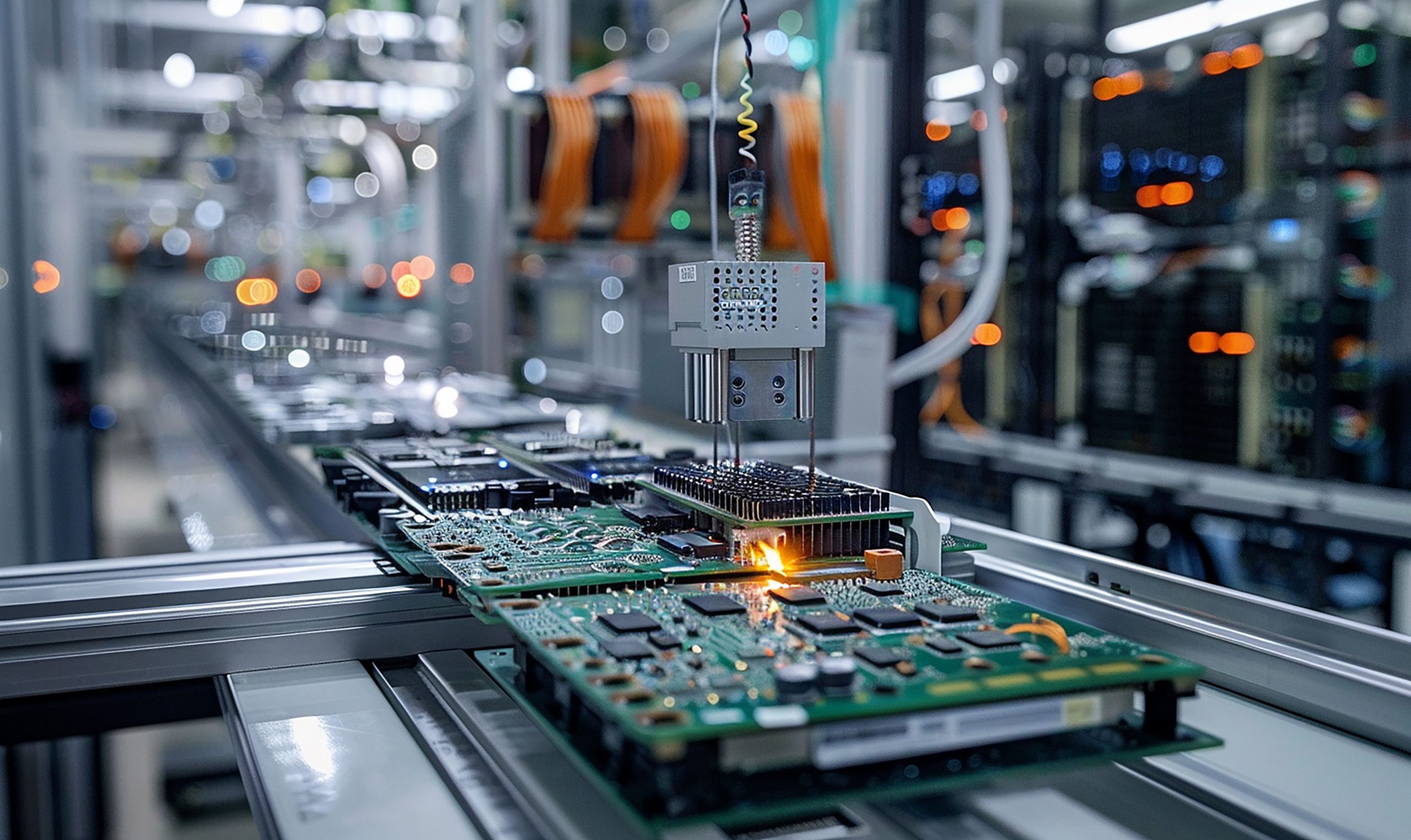
Indonesia’s semiconductor infrastructure market is entering a transformative phase as the country seeks to strengthen its role in the global electronics supply chain. With the rapid expansion of digital technologies, rising demand for consumer electronics, and global efforts to diversify semiconductor production away from highly concentrated markets, Indonesia is positioning itself as an emerging hub for semiconductor manufacturing infrastructure. As of 2026, the country still relies heavily on imported semiconductor components and advanced fabrication technologies. However, rising government support, increasing foreign investments, and the development of industrial technology parks are gradually shaping a domestic ecosystem. Indonesia’s strategic location in Southeast Asia and its growing electronics manufacturing base is expected to support long-term infrastructure expansion through 2035.
What’s Driving the Semiconductor Infrastructure Market in Indonesia?
Expansion of Electronics Manufacturing and Digital Economy
Indonesia’s rapidly growing digital economy is increasing the demand for semiconductors used in smartphones, data centers, automotive electronics, and consumer devices. The country is among the largest smartphone markets in Southeast Asia, and growing domestic electronics assembly activities are pushing the need for stronger semiconductor supply chain infrastructure. As global companies seek to diversify production locations beyond traditional semiconductor hubs, Indonesia is emerging as a potential destination due to its large workforce and expanding industrial capacity.
Growth of Industrial Technology Parks and Manufacturing Zones
The establishment of specialized industrial zones such as Batam, Bekasi, and Karawang has created an enabling environment for electronics and semiconductor-related manufacturing. These zones offer improved logistics, power infrastructure, and proximity to regional trade routes. Technology parks are increasingly being positioned to host semiconductor packaging, testing facilities, and supporting component manufacturing. Such infrastructure helps reduce dependency on imports while enabling local firms to participate in global semiconductor value chains.
Rising Demand from Automotive and IoT Applications
Indonesia’s growing automotive manufacturing sector and the increasing adoption of electric vehicles are generating additional demand for semiconductors. Modern vehicles require advanced chips for battery management, infotainment systems, and driver-assistance technologies. In parallel, the expansion of IoT devices across manufacturing, logistics, and smart city applications is also driving semiconductor consumption. These trends are encouraging investments in semiconductor packaging, testing, and supporting infrastructure within the country.
Government-Led Initiatives
The Indonesian government has been actively promoting domestic semiconductor capabilities as part of its broader industrial transformation strategy. Policies supporting electronics manufacturing, tax incentives for technology investors, and the development of digital infrastructure are helping attract semiconductor-related investments. Additionally, initiatives aimed at strengthening Indonesia’s participation in regional supply chains under ASEAN economic cooperation are encouraging multinational companies to explore local manufacturing partnerships. These policy frameworks are designed to gradually reduce dependency on imports while developing domestic technological capabilities.
Market Competition
Indonesia’s semiconductor infrastructure market remains in its early development stage and is characterized by the presence of international semiconductor companies, electronics manufacturers, and local technology firms. Global semiconductor firms are exploring opportunities in packaging, testing, and component manufacturing rather than advanced chip fabrication, which requires significant capital and technological expertise. Regional players from Taiwan, South Korea, and Japan have shown interest in expanding semiconductor-related operations in Indonesia to serve the Southeast Asian electronics market. At the same time, local technology companies and electronics assemblers are strengthening partnerships with international suppliers to integrate into global semiconductor supply chains.
High Import Dependency and Infrastructure Challenges
Despite growing interest in semiconductor investments, Indonesia still faces several structural challenges. The country continues to rely heavily on imports for advanced semiconductor chips, fabrication equipment, and high-end materials. Limited local expertise in semiconductor design and fabrication also slows the development of a complete domestic ecosystem. Additionally, semiconductor manufacturing requires highly stable electricity supply, specialized cleanroom infrastructure, and skilled engineering talent, all of which require substantial investment. Addressing these gaps will be essential for Indonesia to expand its semiconductor infrastructure capabilities.
Future Outlook
Indonesia’s semiconductor infrastructure market is expected to expand steadily through 2035 as global supply chains diversify and Southeast Asia strengthens its role in electronics manufacturing. By the early 2030s, the country is expected to attract increased investments in semiconductor assembly, packaging, and testing facilities, supported by industrial parks and improving logistics networks. The rise of electric vehicles, consumer electronics manufacturing, and digital infrastructure projects will further boost semiconductor demand. Indonesia is unlikely to become a major advanced chip fabrication hub in the near term, but it is well positioned to become an important node in the regional semiconductor supply chain, particularly in midstream manufacturing and component integration.
Consultants at Nexdigm, in their latest publication “Indonesia Semiconductor Infrastructure Market Outlook to 2035”, analyzed the market by Infrastructure Type (Fabrication Facilities, Assembly and Packaging Units, Testing Facilities, Semiconductor Materials and Equipment), By End-Use Industry (Consumer Electronics, Automotive, Industrial Electronics, Telecommunications, Data Centers), and By Investment Type (Government Projects, Private Investments, Public–Private Partnerships). Nexdigm believes that businesses should prioritize semiconductor packaging and testing infrastructure, develop skilled engineering talent, and establish strategic partnerships with global semiconductor manufacturers to accelerate Indonesia’s integration into the global chip supply chain.
To take the next step, simply visit our Request a Consultation page and share your requirements with us.
Harsh Mittal
+91-8422857704