
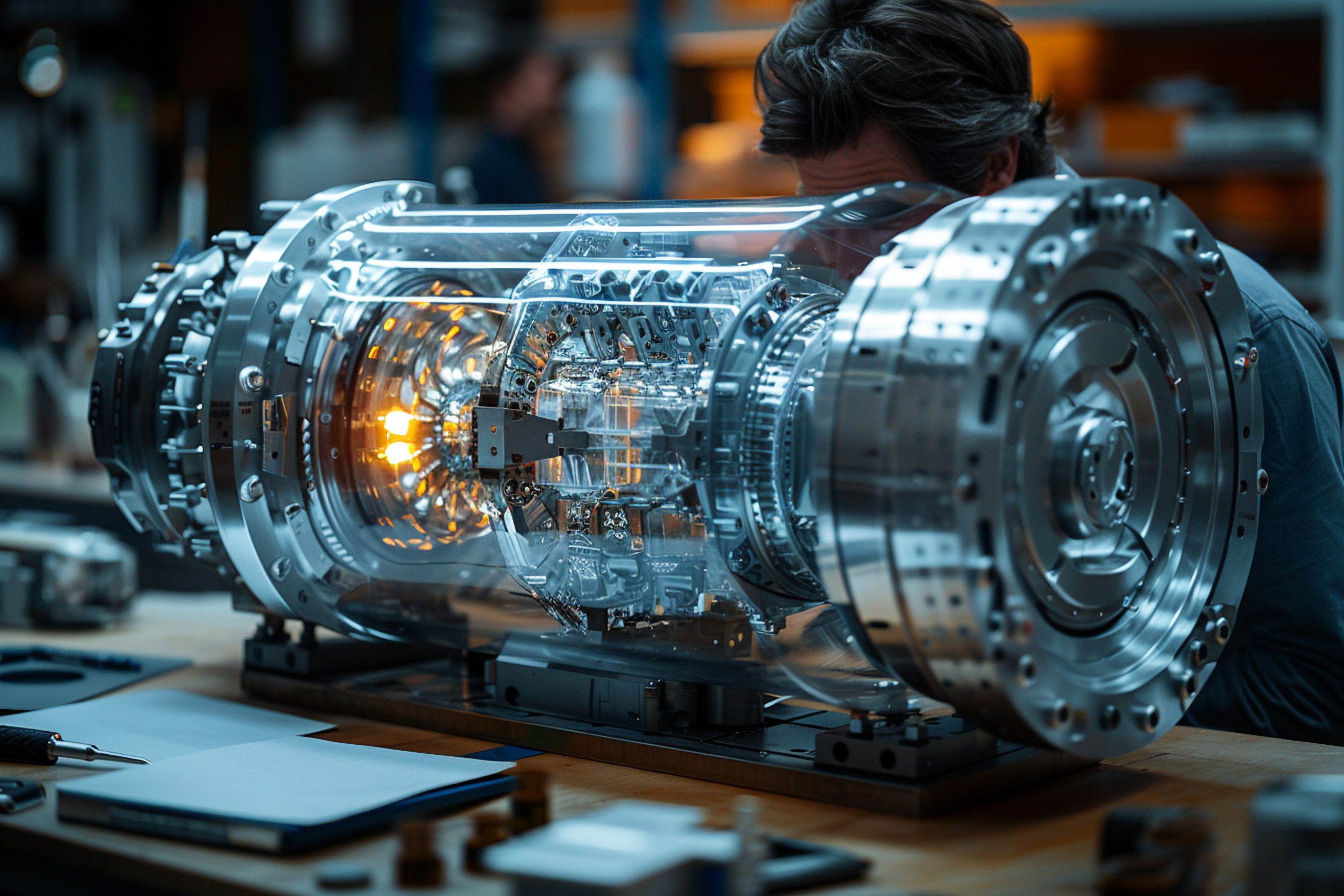
Italy’s industrial electric motors market is gaining momentum as manufacturers increasingly focus on energy efficiency, automation, and sustainable industrial operations. Electric motors play a crucial role across industries such as automotive, food processing, chemicals, machinery, and power generation. The growing adoption of advanced manufacturing technologies and energy-efficient equipment is creating new opportunities for market participants. Italy’s industrial electric motor segment was valued at approximately USD 3.25 billion in 2024, highlighting the country’s strong industrial demand and potential for further expansion.
Key Market Drivers Supporting the Growth of Industrial Electric Motors in Italy
Rising Industrial Automation and Manufacturing Investments
Italy has a well-established manufacturing ecosystem, particularly in automotive, machinery, metalworking, and industrial equipment production. The increasing adoption of robotics, automated production lines, and smart manufacturing technologies is creating consistent demand for industrial electric motors. These motors are essential for operating conveyors, compressors, pumps, machine tools, and robotic equipment. As manufacturers seek higher productivity and reduced operational downtime, investments in advanced motor-driven systems are expected to increase. Italy’s position as Europe’s second-largest robotics market, with approximately 7,800 robot installations, further supports this demand.
Growing Demand for Energy-Efficient Motor Technologies
Rising electricity costs and stricter environmental requirements are encouraging Italian industries to replace conventional motors with high-efficiency alternatives. IE3 and IE4 motors are gaining attention because they help reduce energy consumption, operating expenses, and carbon emissions. Additionally, variable frequency drives (VFDs) are increasingly being integrated with electric motors to optimize performance according to operational requirements. This shift towards energy-efficient equipment is expected to generate substantial replacement and modernization opportunities through 2035.
Expansion of Automotive and Industrial Equipment Manufacturing
Italy’s automotive supply chain and industrial machinery sector are important contributors to electric motor demand. The transition towards electric mobility, increasing investments in production facilities, and the development of advanced industrial equipment are supporting the adoption of specialized motors. Furthermore, demand from food processing, packaging, pharmaceutical, and material-handling industries is creating opportunities for customized motor solutions. Manufacturers offering compact, durable, and digitally connected motors are likely to benefit from these evolving industrial requirements.
Government Support and Industrial Energy-Efficiency Initiatives in Italy
Government policies and European Union regulations are playing an important role in encouraging industrial modernization across Italy. The National Recovery and Resilience Plan (PNRR) and the Transizione 5.0 programme support investments in digital transformation and energy efficiency. These initiatives encourage businesses to adopt advanced machinery, modernize production facilities, and reduce energy consumption. Additionally, EU Ecodesign Regulation 2019/1781 establishes minimum efficiency requirements for several categories of electric motors, encouraging the adoption of more efficient technologies.
Competitive Landscape of Italy’s Industrial Electric Motors Industry
The Italian industrial electric motors market features a combination of international manufacturers and specialized domestic suppliers. Major companies operating in this competitive environment include ABB, Siemens, Nidec, WEG, and Schneider Electric. Nidec ASI is among the notable domestic industry participants, while international brands compete through technological innovation, product efficiency, and distribution networks. Competition is increasingly centred on high-efficiency motors, customized solutions, integrated drive systems, and after-sales services. Manufacturers investing in research and development are better positioned to capture emerging opportunities.
Market Challenges Affecting Industrial Electric Motor Adoption
High Initial Investment and Modernization Costs
Despite their long-term energy-saving benefits, advanced industrial electric motors often involve higher upfront purchasing and installation costs. Small and medium-sized manufacturers may find it difficult to replace existing equipment, particularly when modernization requires changes to connected machinery and control systems. This can delay the adoption of premium-efficiency motor technologies.
Raw Material Price Volatility and Competitive Pressure
Fluctuations in copper, aluminium, electrical steel, and other essential material prices can increase manufacturing expenses and affect profit margins. Additionally, competition from international suppliers creates pricing pressure for domestic manufacturers. Maintaining product quality while offering competitive prices remains an important challenge for market participants.
Future Outlook
Italy’s industrial electric motors market is expected to witness steady growth through 2035, supported by industrial automation, energy-efficiency improvements, and manufacturing modernization. The increasing adoption of IE4 and advanced IE5 motor technologies, smart monitoring systems, and variable frequency drives will gradually reshape product demand. Furthermore, investments in electric mobility, renewable energy infrastructure, and connected manufacturing facilities are expected to create additional opportunities. Companies focusing on technological innovation, customized motor solutions, and energy-efficient product portfolios will be well-positioned to strengthen their market presence over the coming decade.
Consultants at Nexdigm, in their latest publication “Italy Industrial Electric Motors Market Outlook to 2035,” analyze the sector by Motor Type (AC Induction Motors, DC Motors, Specialized Motors), By Efficiency Class (IE1 Standard Efficiency, IE2 High Efficiency, IE3 Premium Efficiency), and By Distribution Channel (Direct OEM Sales, Industrial System Integrators, Online B2B Engineering Platforms).
Nexdigm suggests that businesses should prioritize investments in energy-efficient motor technologies, smart automation, and digitally integrated drive systems to strengthen their market position. Companies should also focus on strategic partnerships, product innovation, and regulatory compliance to capitalize on Italy’s evolving industrial landscape and emerging opportunities through 2035.
To take the next step, simply visit our Request a Consultation page and share your requirements with us.
Harsh Mittal
+91-8422857704