
Italy’s plastics industry has grown alongside the country’s strengths in packaging, automotive, machinery, food processing, healthcare, construction, and consumer products. Today, around 4,800 plastics converting companies employ approximately 105,000 people and generate nearly EUR 17.6 billion in turnover. But the industry is beginning to look beyond traditional processing volumes. Customers increasingly expect materials that are lighter, recyclable, efficient, and tailored to specific applications. This is encouraging Italian manufacturers to combine their long-standing production expertise with recycled polymers, advanced processing technologies, and more specialized material solutions.
Market Drivers Giving Italian Plastics New Routes to Growth
Manufacturing Expertise Creates Room for Plastics That Do More
Italy’s automotive, machinery, electrical equipment, healthcare, and industrial sectors need materials that can perform under increasingly demanding conditions. Engineering plastics can provide lightweighting, durability, electrical insulation, chemical resistance, and greater design flexibility. These characteristics are creating opportunities for Italian converters to move beyond standardized products toward precision components, composites, customized compounds, and other higher-performance solutions. The country’s established machinery and manufacturing ecosystem also makes it easier for material suppliers and processors to work closely with end users.
Packaging Is Being Designed With Recovery in Mind
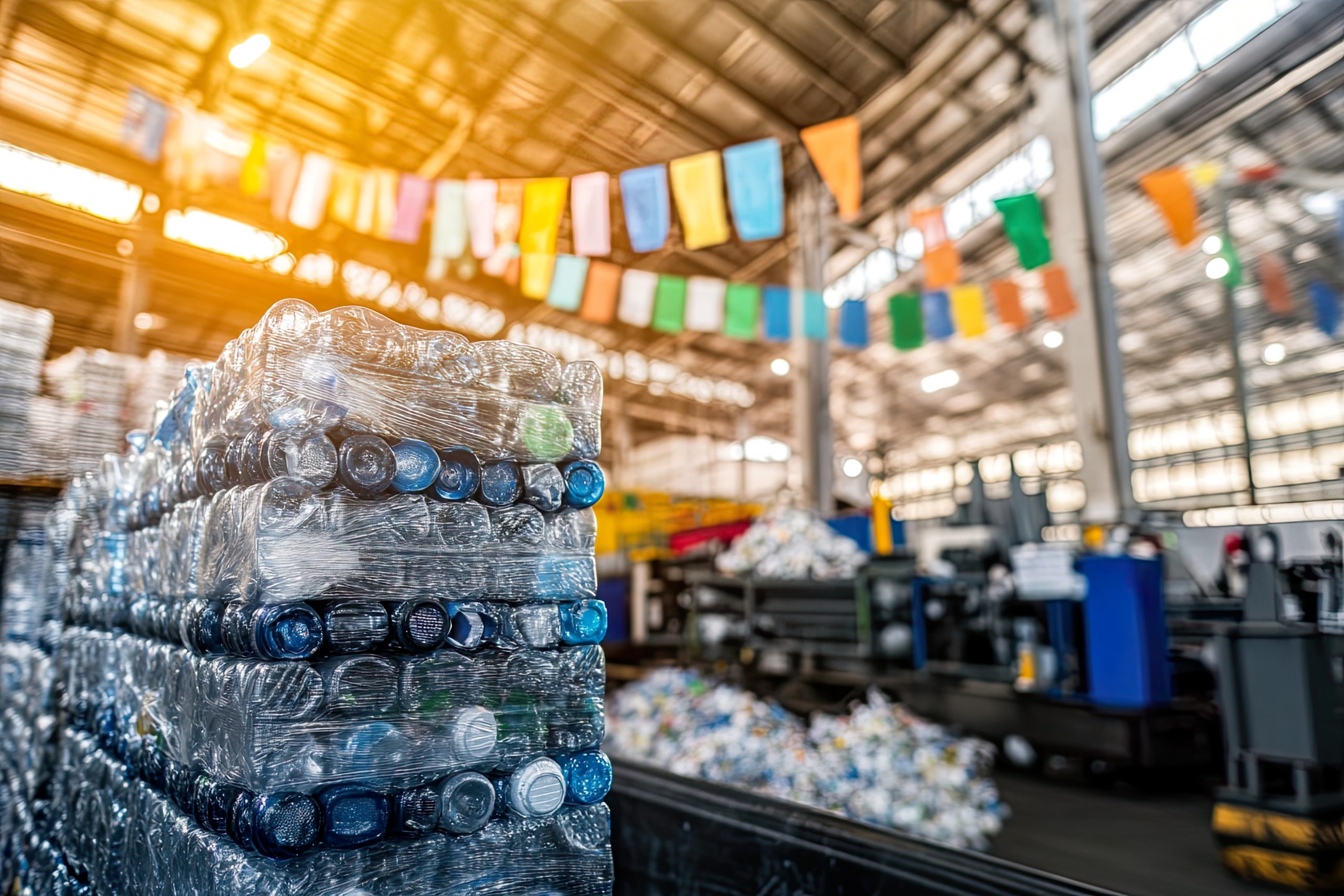
Italy’s food, beverage, cosmetics, pharmaceutical, and consumer-goods industries keep packaging at the center of plastics demand. What is changing is how that packaging is designed. Italy recycled around 51.1% of plastic packaging waste in 2024, moving beyond the EU’s 50% target for 2025. More than 1.5 million tonnes of plastic packaging were also separately collected during the year. These gains are pushing producers toward simpler material structures, improved recyclability, lightweight formats, and greater use of recycled content.
Government Policy Shaping Italy’s Plastics Industry and its Growth
Italy’s regulatory environment is bringing waste prevention, recycling, and producer responsibility closer to everyday business decisions. Its established extended producer responsibility system connects packaging producers, municipalities, and recovery networks. In 2024, almost 7,400 municipalities covering 97% of Italy’s population participated in the CONAI system. Alongside rules targeting single-use plastics, these measures are encouraging companies to consider recyclability and material recovery much earlier in the product-design process.
Major Players Challenging Italy’s Plastics Industry
With around 4,800 converting companies, Italy has a diverse plastics manufacturing base supported by recyclers, compounders, packaging producers, machinery specialists, and material suppliers. Competing purely on production volume is becoming harder. Automation, precision processing, energy efficiency, recycled-content integration, and customized materials are becoming stronger differentiators. Companies able to combine Italy’s manufacturing know-how with material innovation can build stronger positions in both domestic and export-oriented applications.
Key Challenges faced within Italy’s Plastics Industry
Recycling Success Does Not Mean the Loop Is Closed
A 51.1% plastic packaging recycling rate represents meaningful progress, but it also shows how much material remains outside recycling loops. Mixed materials, contamination, difficult-to-recycle formats, and inconsistent secondary feedstock quality continue to limit recovery. Better sorting technology and packaging designed for recycling will be important for moving beyond current performance.
Higher Costs Put Commodity Producers Under Pressure
Energy, labor, raw-material volatility, regulatory compliance, and competition from lower-cost manufacturing locations can place pressure on Italian plastics producers. Commodity products are particularly exposed because differentiation is limited. Moving toward automation, efficient production, engineering materials, recycled polymers, and specialized applications can help manufacturers create more defensible sources of value.
Future Outlook
In the coming years, Italy’s plastics market is likely to grow rapidly. Packaging will remain important, but automotive, healthcare, construction, electrical equipment, and advanced manufacturing can create further demand for specialized polymers. At the same time, recycled materials are likely to become more deeply integrated into production. Italy’s advantage lies in connecting its manufacturing heritage, machinery expertise, product design capabilities, and established recovery system to create plastics that deliver greater performance while keeping materials in circulation for longer.
Consultants at Nexdigm, in their latest publication “Italy Plastics Market Outlook to 2035,” analyze the sector By Polymer Type (Polyethylene, High density Polyethylene, Low Density Polyethylene, Polypropylene, Polyurethane and Polyvinyl Chloride), By Region (Lombardy, Northeast, Northwest Italy and Veneto).
Nexdigm suggests that businesses in Italy’s Plastics Industry must leverage the country’s manufacturing and design expertise to expand into specialized and circular materials. Companies should accelerate automation, integrate recycled polymers, improve energy efficiency, and develop high-performance solutions for packaging, automotive, healthcare, construction, and advanced industrial applications.
To take the next step, simply visit our Request a Consultation page and share your requirements with us.
Harsh Mittal
+91-8422857704