
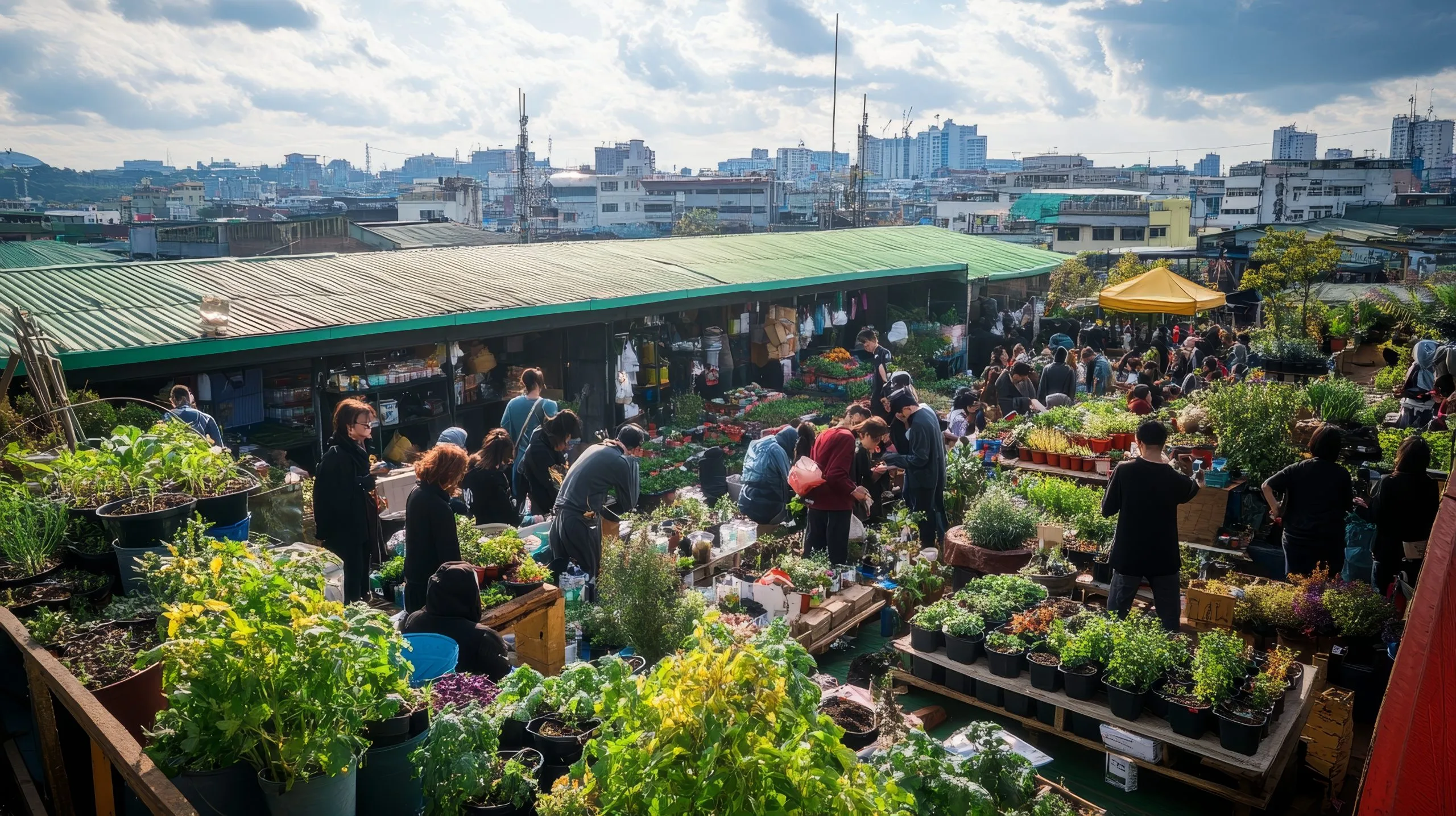
The Japan Agribusiness Market is a dynamic and highly structured ecosystem, combining agriculture, food processing, and distribution. Despite agriculture contributing less than 1 percent to Japan’s GDP, the sector generates significant economic value, with agricultural output reaching around JPY 9.5 trillion. The broader agribusiness ecosystem is even larger, supported by a food and beverage retail market worth nearly USD 198 billion. Growing demand for high-quality food and sustainable practices continues to shape the market. At a human level, Japan’s agribusiness reflects a careful balance between tradition and innovation, ensuring food security while adapting to modern consumer expectations.
Key Drivers Accelerating the Japan Agribusiness Market Growth
Rising Demand for High Quality and Functional Food Products
The Japan Agribusiness Market is strongly driven by consumer demand for premium, safe, and health-focused foods. With an aging population, there is increasing preference for functional and nutritious food products, including ready-to-eat meals and fortified foods. This demand is encouraging agribusinesses to focus on quality, traceability, and innovation in food production. Additionally, changing lifestyles have increased reliance on convenient food options, pushing businesses to expand into processed and value-added segments. This shift is reshaping the entire food value chain.
Adoption of Smart Farming and Digital Technologies
Technology is playing a transformative role in the Japan Agribusiness Market. From AI-driven farming to IoT-enabled supply chains, digital tools are enhancing productivity and reducing resource wastage. Automation has become essential due to the aging farming population, with over 70 percent of farmers aged 65 or older. Smart farming solutions, including drones, robotics, and precision agriculture, are helping farmers optimize output. This technological shift is also opening new opportunities for innovation and investment in the agribusiness sector.
Strong Export Growth and Integrated Supply Chains
Exports are a significant driver of the Japan Agribusiness Market, with agricultural exports surpassing JPY 1.5 trillion. Japan’s well-developed supply chain infrastructure, including wholesale markets and distribution networks, ensures efficient movement of goods. The concept of “sixth industrialization,” which integrates production, processing, and distribution, is further enhancing value creation. This model allows businesses to maximize profitability while maintaining product quality across the supply chain.
Government Support Strengthening the Japan Agribusiness Market
The Japanese government активно promotes agribusiness development through subsidies, export promotion strategies, and research initiatives. Policies focus on improving food security, encouraging smart farming adoption, and supporting sustainable agricultural practices. Government programs also aim to boost exports and enhance supply chain efficiency. These initiatives are helping farmers and agribusinesses modernize operations while maintaining high standards of food safety and quality.
Competitive Dynamics in the Japan Agribusiness Market
The Japan Agribusiness Market is moderately competitive, with a mix of domestic companies, cooperatives, and global players. The presence of strong supply chains and integrated operations influences competition. Large agribusiness firms often focus on value-added production, branding, and export expansion. At the same time, small-scale farms and cooperatives continue to play a crucial role in production. This blend of traditional and modern players creates a unique competitive landscape.
Key Challenges Affecting the Japan Agribusiness Market
Aging Workforce and Labor Shortages
One of the biggest challenges in the Japan Agribusiness Market is the aging farming population. More than 70 percent of farmers are over 65 years old, leading to concerns about workforce sustainability. This demographic shift is reducing labor availability and increasing reliance on automation. Addressing this issue is critical for long-term growth.
High Import Dependency and Limited Agricultural Land
Japan relies heavily on imports to meet its food demand, with agricultural imports nearly matching domestic output. Limited arable land further restricts production expansion. These challenges highlight the importance of improving domestic productivity and supply chain resilience.
Future Outlook
The Japan Agribusiness Market is expected to grow steadily, driven by technological innovation, evolving consumer demand, and government support. With a projected CAGR of around 2.6–2.7 percent, the market will continue to expand gradually. Future growth will be shaped by smart farming technologies, sustainable practices, and increased focus on food security. As the industry evolves, Japan is likely to strengthen its position as a leader in high-quality, technology-driven agribusiness, balancing innovation with tradition to meet future global food challenges.
Consultants at Nexdigm, in their latest publication “Japan Agribusiness Market outlook to 2030,” analyze the sector By Value Chain Stage (Agricultural Inputs, Primary Agricultural Production, Aggregation and Wholesale, Food Processing ), By Product Category (Rice and Cereals, Vegetables, Fruits, Livestock and Meat, Dairy Products).
Nexdigm suggests that businesses should strategically position themselves in the Japan Agribusiness Market by integrating smart farming technologies, strengthening end-to-end supply chain capabilities, and focusing on high-value, premium food segments aligned with evolving consumer preferences.
To take the next step, simply visit our Request a Consultation page and share your requirements with us.
Harsh Mittal
+91-8422857704