
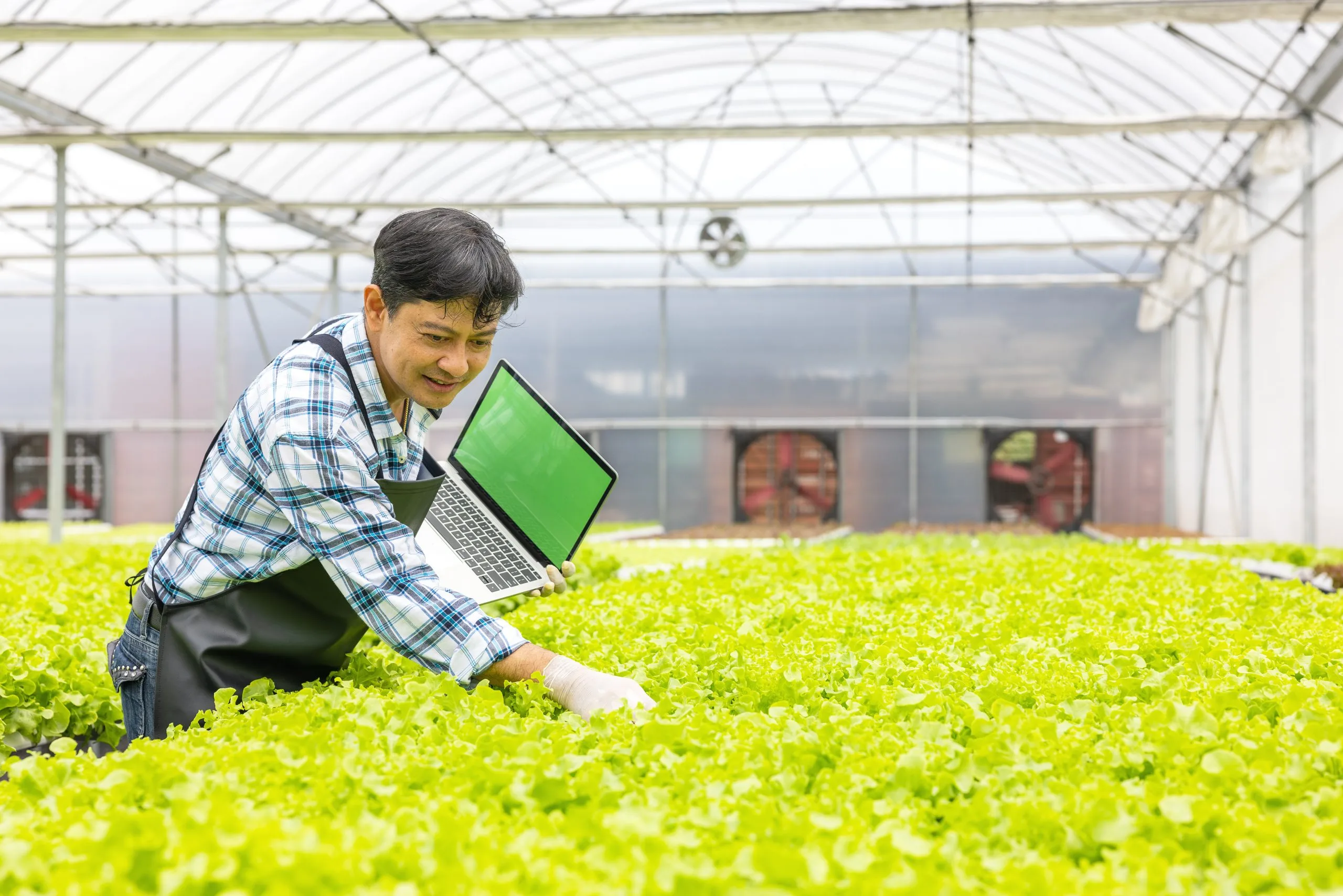
Japan’s agriculture sector is undergoing a quiet but powerful transformation, driven by drones and IoT-enabled sensors. With an aging farming population—over 65% of farmers are above 60—and shrinking arable labor, technology is stepping in to fill critical gaps. Drones now assist in crop monitoring, spraying, and mapping, while IoT sensors provide real-time insights into soil health and weather conditions. This growing shift toward precision farming is improving yields by up to 20–30% in some cases while reducing resource wastage. As Japan blends tradition with innovation, technology is becoming the backbone of sustainable agriculture.
Key Growth Drivers of Japan Agriculture Drones and IoT Sensors Market
Rising Labor Shortage and Aging Farming Population
One of the strongest drivers behind adoption is Japan’s demographic crisis in agriculture. With fewer young people entering farming, drones and automated sensors help reduce manual workload by nearly 40–50%. Tasks like pesticide spraying and crop surveillance are increasingly automated, allowing aging farmers to manage larger farmland efficiently.
Demand for Precision Farming and Higher Productivity
Farmers in Japan are embracing precision agriculture to maximize limited land resources. IoT sensors track soil moisture, nutrient levels, and temperature, enabling smarter decision-making. Studies show that sensor-based farming can boost crop yields by approximately 15–25% while cutting water use by up to 30%.
Technological Advancements and Connectivity Growth
Rapid improvements in AI, 5G connectivity, and robotics are accelerating adoption. Modern agricultural drones can cover several hectares in a single flight, while connected IoT systems enable real-time monitoring across farms. Japan’s focus on smart agriculture ecosystems has resulted in thousands of smart greenhouses and increasing deployment of over 1 million IoT devices in farming environments.
Government Initiatives Supporting Japan Agriculture Drones and IoT Sensors Market
The Japanese government is actively promoting smart agriculture through subsidies, pilot programs, and policy support. Initiatives under the Ministry of Agriculture aim to enable unmanned farming and precision techniques across rural regions. Financial support for drone purchases and IoT adoption has significantly lowered entry barriers for farmers. Additionally, Japan’s long-term vision includes integrating robotics and data-driven farming to achieve food security and sustainability, making technology adoption not just optional but essential.
Competitive Landscape of Japan Agriculture Drones and IoT Sensors Market
The market is moderately competitive, with a mix of domestic and global players driving innovation. Companies like Yamaha Motor, Kubota Corporation, and DJI dominate the drone segment, while firms offering IoT solutions focus on data analytics and smart monitoring systems. Strategic collaborations between tech firms and agricultural cooperatives are also increasing, helping accelerate adoption. Continuous R&D investments ensure that companies stay competitive in terms of efficiency, automation, and cost-effectiveness.
Market Challenges in Japan Agriculture Drones and IoT Sensors Market
High Initial Investment and Adoption Barriers
Despite clear benefits, the high upfront cost of drones and IoT systems can deter small-scale farmers. Initial setup costs, including hardware and training, remain a concern, particularly in remote farming communities.
Regulatory and Operational Limitations
Strict drone regulations and the need for technical expertise can also slow adoption. Farmers must comply with airspace rules and operational guidelines, which can be complex. Furthermore, limited digital literacy among older farmers creates an additional barrier to widespread implementation.
Future Outlook
The future of Japan’s agriculture sector looks increasingly digital and automated. With ongoing innovation and stronger policy backing, the adoption of drones and IoT sensors is expected to grow at a steady double-digit rate. Smart farming solutions will likely become standard practice, especially as costs decline and accessibility improves.Emerging technologies such as AI-driven analytics and autonomous farming equipment will further enhance productivity and sustainability. As Japan continues to lead in agricultural innovation, the integration of drones and IoT sensors will play a crucial role in reshaping its farming landscape for generations to come.
Consultants at Nexdigm, in their latest publication “Japan Agriculutre Drones and IoT Sensors Market Report outlook to 2035,” analyze the sector By Product Type (Agriculture Drones, IoT Sensors, Farm Data Platforms, Connectivity Gateways, Drone Payloads and Accessories), By Application (Crop Spraying, Crop Monitoring, Field Mapping and Surveying, Soil and Water Monitoring).
Nexdigm suggests that businesses should actively embrace precision agriculture technologies, including drones and IoT sensors, to address labor shortages, enhance operational efficiency, and improve crop productivity in Japan’s evolving agri-tech landscape.
To take the next step, simply visit our Request a Consultation page and share your requirements with us.
Harsh Mittal
+91-8422857704