
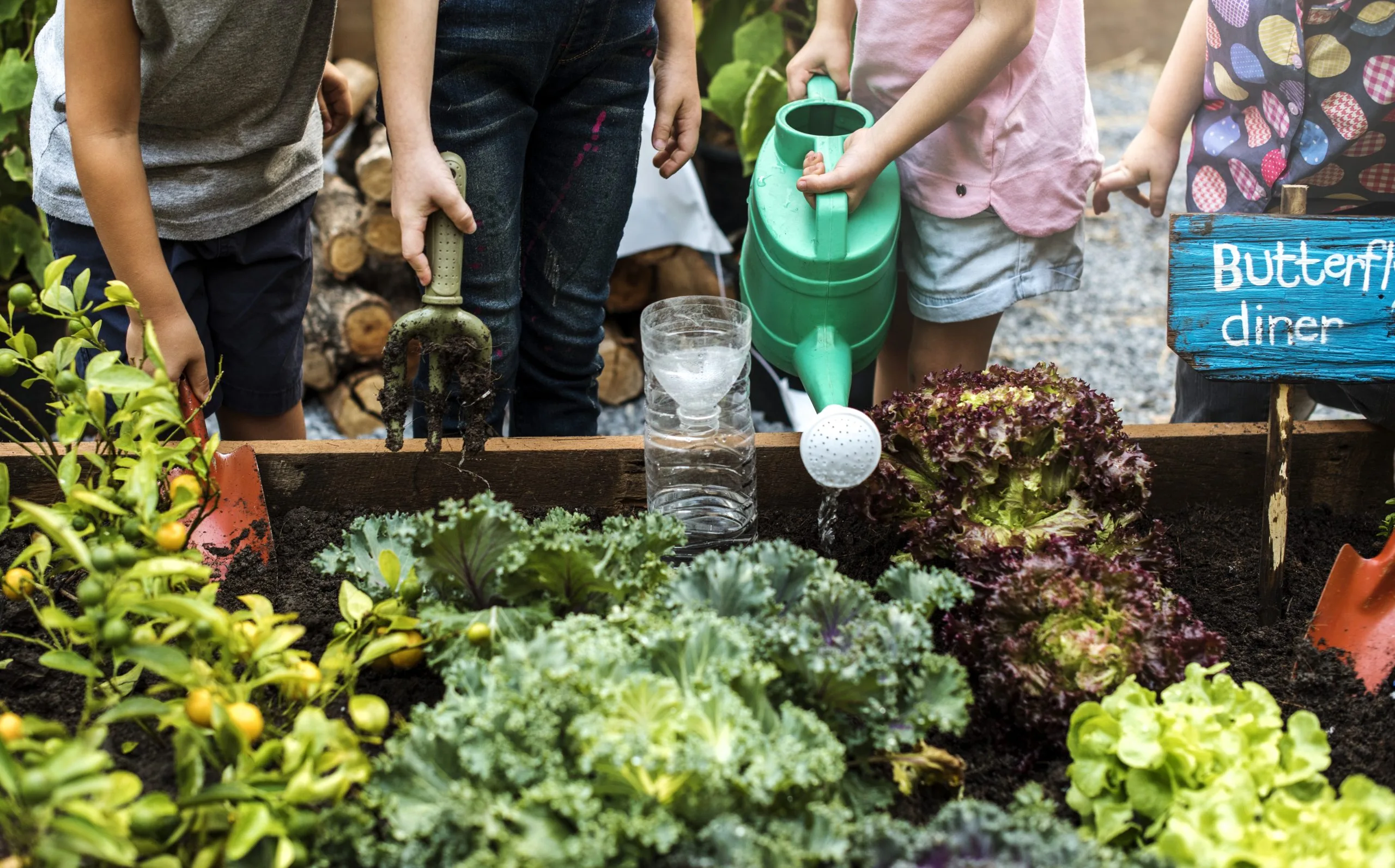
The Japan Agrochemical Market plays a crucial role in supporting the country’s high-intensity agricultural practices, ensuring consistent crop yields despite limited arable land. The market is valued at over USD 20 billion and continues to grow steadily, reflecting strong demand for fertilizers and crop protection chemicals. Pesticides alone contribute significantly, with market size exceeding USD 6.8 billion and consumption reaching nearly 444,000 tons. Beyond the numbers, agriculture in Japan emphasizes precision, quality, and sustainability. This makes agrochemicals an essential tool for farmers striving to balance productivity with environmental responsibility.
Key Drivers Accelerating the Japan Agrochemical Market Growth
Growing Demand for High Quality Crop Production
The Japan Agrochemical Market is driven by the need for high-quality agricultural output, particularly fruits, vegetables, and specialty crops. Consumers demand consistent quality, appearance, and safety in food products, encouraging farmers to rely on agrochemicals. This has led to increased adoption of fertilizers and crop protection products to ensure yield and minimize losses. Additionally, food security concerns are pushing farmers to maximize productivity on limited land. Agrochemicals play a critical role in enabling efficient and reliable crop production across seasons.
Adoption of Advanced Farming and Precision Agriculture
Technological innovation is transforming the Japan Agrochemical Market. Farmers are increasingly adopting precision agriculture tools such as drones, sensors, and AI-based systems to optimize agrochemical usage. These technologies allow targeted application, reducing waste and improving efficiency. The integration of smart farming solutions is also supporting sustainable agricultural practices. This shift reflects a broader move toward modern, data-driven farming methods that prioritize both productivity and environmental protection.
Shift Toward Eco Friendly and Bio Based Solutions
Sustainability is becoming a key growth driver in the Japan Agrochemical Market. There is a growing preference for bio-based pesticides and environmentally friendly solutions due to strict regulations and consumer awareness. The pesticides segment alone is expected to grow strongly, reaching over USD 11.6 billion in the long term. Government policies and industry initiatives are promoting the reduction of chemical usage and encouraging integrated pest management practices. This transition is reshaping the market, creating opportunities for innovative and sustainable agrochemical products.
Government Support Strengthening the Japan Agrochemical Market
The Japanese government активно promotes sustainable agriculture through regulations, subsidies, and technological support. Initiatives aimed at reducing environmental impact and promoting integrated pest management are driving market transformation. Additionally, policies encourage the adoption of precision farming technologies and eco-friendly agrochemicals. These measures are helping farmers improve productivity while maintaining environmental sustainability. Government backing continues to play a central role in shaping a responsible and forward-looking agrochemical industry.
Competitive Dynamics in the Japan Agrochemical Market
The Japan Agrochemical Market is highly competitive, with the presence of both domestic and global players. Major companies focus on innovation, product development, and sustainable solutions to stay ahead. Fertilizers account for over 70 percent of the market, while crop protection chemicals are the fastest-growing segment. Companies are also investing in research and development to introduce advanced formulations and eco-friendly alternatives. Strategic collaborations and partnerships are becoming increasingly important for maintaining market share.
Key Challenges Affecting the Japan Agrochemical Market
Strict Environmental Regulations and Compliance Costs
The Japan Agrochemical Market faces challenges due to stringent environmental regulations that limit the use of certain chemicals. Compliance with these regulations increases operational costs for manufacturers and farmers. While these policies are essential for sustainability, they also create barriers for new product development and market entry.
Aging Farming Population and Limited Arable Land
Japan’s aging farming population poses a significant challenge to agricultural productivity. Fewer workers are available to manage farms, increasing reliance on technology and agrochemicals. Additionally, limited arable land restricts expansion, putting pressure on farmers to maximize output. These structural challenges highlight the need for continued innovation and support.
Future Outlook
The Japan Agrochemical Market is expected to grow steadily, reaching over USD 31 billion in the coming years, supported by a CAGR of around 4–5 percent. Future growth will be driven by advancements in precision agriculture, increased adoption of sustainable solutions, and rising demand for high-quality crops. As the industry evolves, the focus will shift toward eco-friendly products and digital farming technologies. Japan is likely to remain a leader in combining innovation with sustainability, ensuring the long-term resilience of its agricultural sector.
Consultants at Nexdigm, in their latest publication “Japan Agrochemical Market outlook to 2035,” analyze the sector By Product Type (Herbicides, Fungicides, Insecticides, Nematicides, Plant Growth Regulators), By Crop Type (Paddy, Vegetables, Fruits, Tea, Cereals and Field Crop).
Nexdigm suggests that businesses should strengthen their positioning in the Japan Agrochemical Market by investing in sustainable and bio-based agrochemical solutions, while leveraging precision farming technologies to improve efficiency and reduce environmental impact.
To take the next step, simply visit our Request a Consultation page and share your requirements with us.
Harsh Mittal
+91-8422857704