
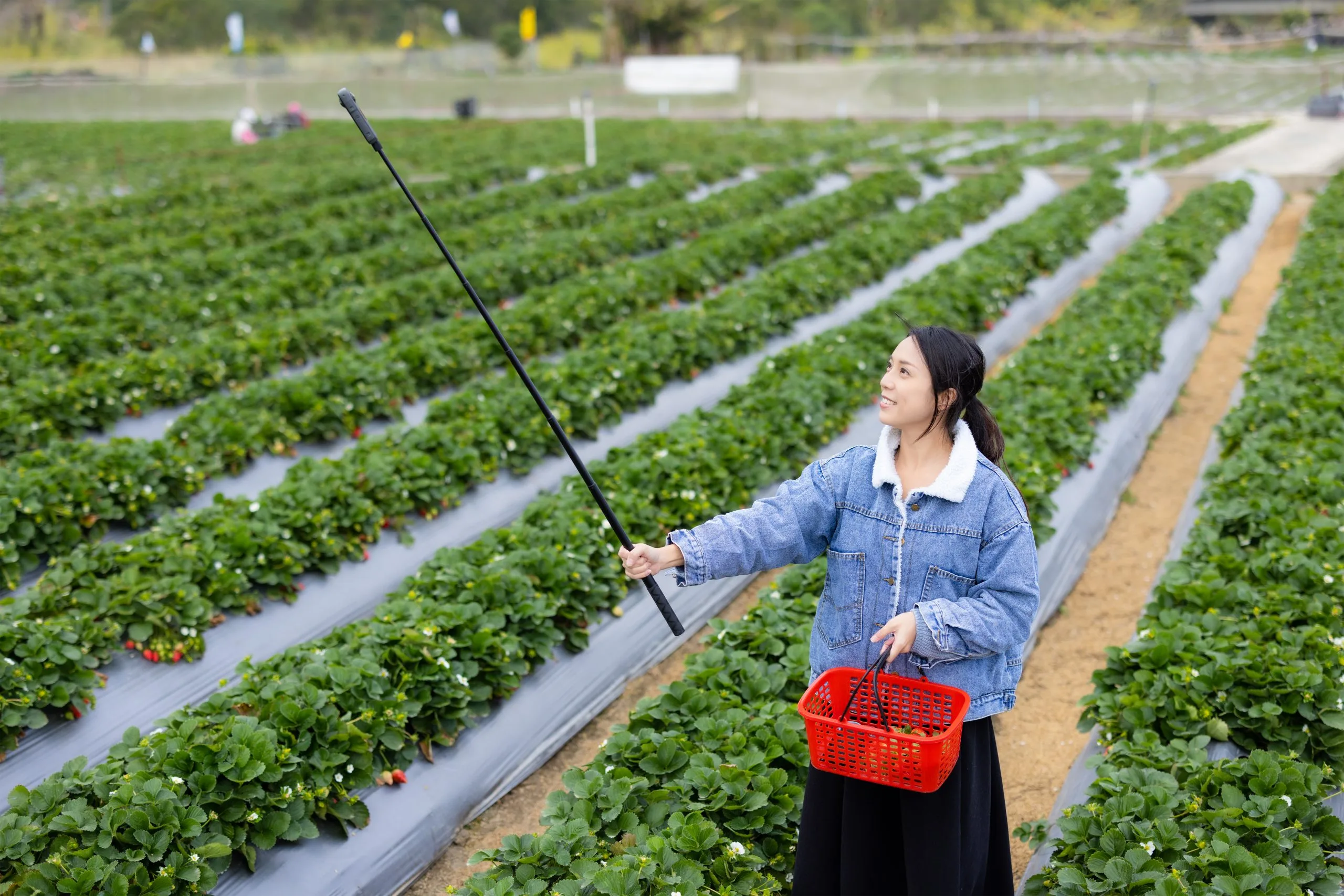
The Japan Glyphosate Market plays a vital role in supporting efficient weed management across the country’s agriculture sector. With limited arable land—around 12% of total land—and increasing pressure to enhance crop productivity, farmers rely on herbicides like glyphosate for effective weed control. Glyphosate-based products help reduce manual labor needs by nearly 30–40% while improving crop yields by up to 15–20% in certain applications. As Japan’s farming population continues to age, chemical weed management remains an important tool in maintaining productivity and ensuring consistent agricultural output.
Key Growth Drivers of Japan Glyphosate Market
Increasing Demand for Efficient Weed Management
Weed control is a critical component of farming in Japan, especially as labor constraints make manual weeding less feasible. Glyphosate offers a broad-spectrum solution that effectively controls a wide range of weeds, helping farmers maintain crop quality and yield. The use of herbicides can improve weed control efficiency by up to 30%, making them an essential input in modern farming practices. As farmers look for reliable and time-saving solutions, glyphosate-based formulations continue to see stable demand.
Labor Shortage Driving Chemical Adoption
Japan’s agricultural workforce is shrinking rapidly, with a significant portion of farmers aged above 65. This demographic challenge is pushing the adoption of herbicides as a substitute for labor-intensive processes. Glyphosate helps reduce dependency on manual labor by simplifying weed management and enabling farmers to manage larger farm areas efficiently. In many cases, chemical weed control reduces labor costs by nearly 40%, making it a practical solution in a constrained labor market.
Integration with Modern Farming Practices
The growing adoption of precision agriculture is also supporting the Japan Glyphosate Market. Farmers are increasingly using targeted application techniques to optimize herbicide usage and minimize waste. Advanced spraying equipment and data-driven farming tools are helping reduce chemical usage by up to 15–20% while maintaining effectiveness. This integration ensures that glyphosate remains relevant in both traditional and modern farming systems.
Government Support Influencing Japan Glyphosate Market
The Japanese government promotes sustainable and efficient agricultural practices, which indirectly supports the Japan Glyphosate Market. Policies encourage balanced use of agrochemicals alongside eco-friendly alternatives to ensure food safety and environmental protection. Regulatory frameworks also ensure the safe and controlled use of herbicides, maintaining quality standards across the market. Additionally, initiatives promoting precision agriculture contribute to more efficient herbicide application, reducing overuse and environmental impact.
Competitive Landscape of Japan Glyphosate Market
The Japan Glyphosate Market is moderately competitive, with both domestic and global agrochemical companies operating in the space. Major players focus on developing high-quality formulations that offer improved efficiency and reduced environmental impact. Companies are investing in research to innovate safer and more targeted herbicide solutions. Strategic partnerships and distribution networks also play a key role in reaching a wide base of farmers across different regions.
Market Challenges in Japan Glyphosate Market
Environmental and Regulatory Concerns
One of the primary challenges in the Japan Glyphosate Market is increasing scrutiny over environmental and health impacts. Regulatory standards for agrochemicals are becoming stricter, which can limit product usage and increase compliance costs for manufacturers.
Shift Toward Sustainable Alternatives
There is a growing preference for organic and bio-based farming solutions in Japan. This shift can reduce reliance on chemical herbicides like glyphosate over time. Farmers and policymakers are exploring integrated weed management practices that balance chemical and non-chemical approaches.
Future Outlook
The future of the Japan Glyphosate Market is expected to remain stable, supported by ongoing demand for efficient weed control solutions. While growth may be moderate, glyphosate will continue to play a key role in maintaining agricultural productivity, especially in labor-constrained environments. At the same time, innovation in formulation and application methods will drive the market forward. The focus will likely shift toward safer, more sustainable usage, aligning with environmental regulations and consumer expectations. In the long run, the market will evolve alongside broader agricultural trends, balancing efficiency with sustainability while continuing to support Japan’s modern farming ecosystem.
Consultants at Nexdigm, in their latest publication “Japan Glyphosate Market outlook to 2035,” analyze the sector By Formulation Type (Glyphosate IPA Salt, Glyphosate Potassium Salt, Glyphosate Ammonium Salt, Glyphosate Dimethylamine Salt, Glyphosate Acid), By Crop Type (Rice, Soyabean, Fruits and Vegetables, Corn and Feed Crops, Others).
Nexdigm suggests that businesses should adopt a balanced approach by optimizing glyphosate usage through precision application technologies while simultaneously investing in sustainable weed management alternatives to align with Japan’s evolving regulatory landscape and environmental priorities.
To take the next step, simply visit our Request a Consultation page and share your requirements with us.
Harsh Mittal
+91-8422857704