
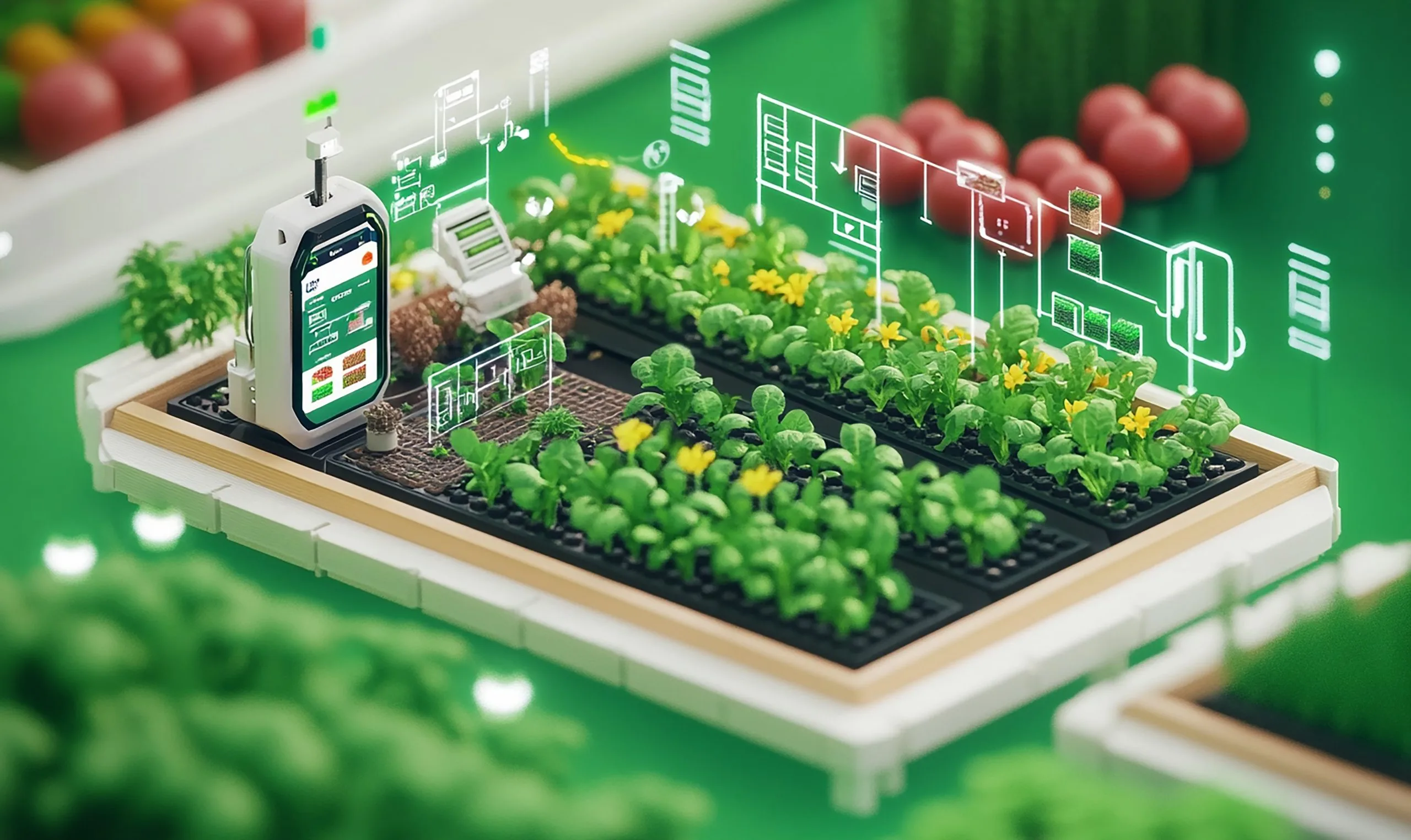
The Japan Smart Agriculture Market is rapidly transforming the country’s traditional farming practices into a modern, technology-driven ecosystem. With more than 63% of farmers aged 65 and above and a declining agricultural workforce, smart solutions have become critical for sustaining productivity. Technologies such as IoT sensors, AI-based analytics, drones, and automated machinery are helping farmers optimize operations and improve yields by up to 20–30%. Smart agriculture is no longer a niche concept but a necessity in Japan, enabling efficient resource use and ensuring long-term sustainability in a constrained agricultural environment.
Key Growth Drivers of Japan Smart Agriculture Market
Growing Need to Address Labor Shortages
Japan’s aging farming population and shrinking workforce are major forces driving the adoption of smart agriculture technologies. Automation tools such as robotic harvesters, drones, and autonomous tractors reduce dependence on manual labor by up to 40–50%. These solutions allow farmers to maintain productivity even with limited human resources. As fewer young workers enter agriculture, smart farming technologies are bridging the labor gap and ensuring continuity in food production.
Increasing Adoption of Precision Farming Technologies
Precision farming is gaining significant traction across the Japan Smart Agriculture Market. IoT sensors and connected platforms provide real-time data on soil health, weather conditions, and crop performance. This enables farmers to apply inputs such as water, fertilizers, and pesticides more efficiently. Studies indicate that precision agriculture can reduce input waste by nearly 20–30% while improving crop yields by up to 25%. Such benefits are particularly important in Japan, where farmland is limited and efficiency is key to profitability.
Rapid Expansion of Digital and Connected Farming Ecosystems
The rise of digital technologies is accelerating the development of smart agriculture in Japan. The market is expected to grow at a CAGR of over 16%, reaching approximately USD 2.5 billion in the coming years. Integration of AI, big data analytics, and IoT devices is enabling predictive farming and real-time decision-making. These systems not only enhance productivity but also help farmers adapt to climate variability and changing agricultural conditions.
Government Support Accelerating Japan Smart Agriculture Market
The Japanese government is actively promoting the Japan Smart Agriculture Market through strong policy support and investment initiatives. The Ministry of Agriculture has launched more than 200 smart farming demonstration projects to encourage the adoption of advanced technologies. Subsidies for IoT devices, drones, and automated machinery have reduced financial barriers for farmers. These initiatives aim to create a sustainable and efficient agriculture ecosystem while ensuring food security and rural development.
Competitive Landscape of Japan Smart Agriculture Market
The Japan Smart Agriculture Market is highly dynamic, with established players and innovative startups contributing to growth. Companies such as Kubota, Yanmar, and global technology providers are leading the development of smart farming equipment and platforms. At the same time, startups are introducing niche solutions such as AI-based crop monitoring and smart greenhouse systems. Strategic partnerships and collaborations are shaping the competitive environment, driving continuous innovation and technological advancement.
Market Challenges in Japan Smart Agriculture Market
High Initial Investment and Cost Barriers
One of the key challenges in the Japan Smart Agriculture Market is the high upfront cost of adopting advanced technologies. Equipment such as smart sensors, drones, and automated machinery requires significant investment, which can be difficult for small-scale farmers.
Limited Technical Skills and Adoption Resistance
The aging farmer population also leads to challenges in adopting new technologies. Limited familiarity with digital tools and resistance to change can slow down market penetration, particularly in rural areas. Bridging this skill gap remains essential for widespread adoption.
Future Outlook
The future of the Japan Smart Agriculture Market looks highly promising, driven by continuous innovation and strong policy support. As technologies become more affordable and accessible, adoption is expected to increase across farms of all sizes. Advancements in AI, robotics, and IoT will further enhance farm productivity, reduce costs, and improve sustainability. With the market set to grow at a double-digit rate and exceed USD 2.5 billion in value, smart agriculture will play a vital role in reshaping Japan’s farming sector. In the coming years, Japan is likely to emerge as a global benchmark for smart farming, demonstrating how technology can revolutionize agriculture while addressing structural challenges.
Consultants at Nexdigm, in their latest publication “Japan Smart Agriculture Market outlook to 2035,” analyze the sector By Technology Type (Agricultural Robotics, Agriculture Drones, IoT Sensors, Farm Management Software), By Application (Crop Monitoring, Precision Spraying and Input Optimization, Autonomous Field Operations, Irrigation and Paddy Water Management).
Nexdigm suggests that businesses should prioritize investment in smart agriculture technologies such as IoT-enabled monitoring systems, AI-driven analytics, and automation tools to enhance operational efficiency, optimize resource utilization, and remain competitive in Japan’s rapidly evolving, data-driven agricultural ecosystem.
To take the next step, simply visit our Request a Consultation page and share your requirements with us.
Harsh Mittal
+91-8422857704