
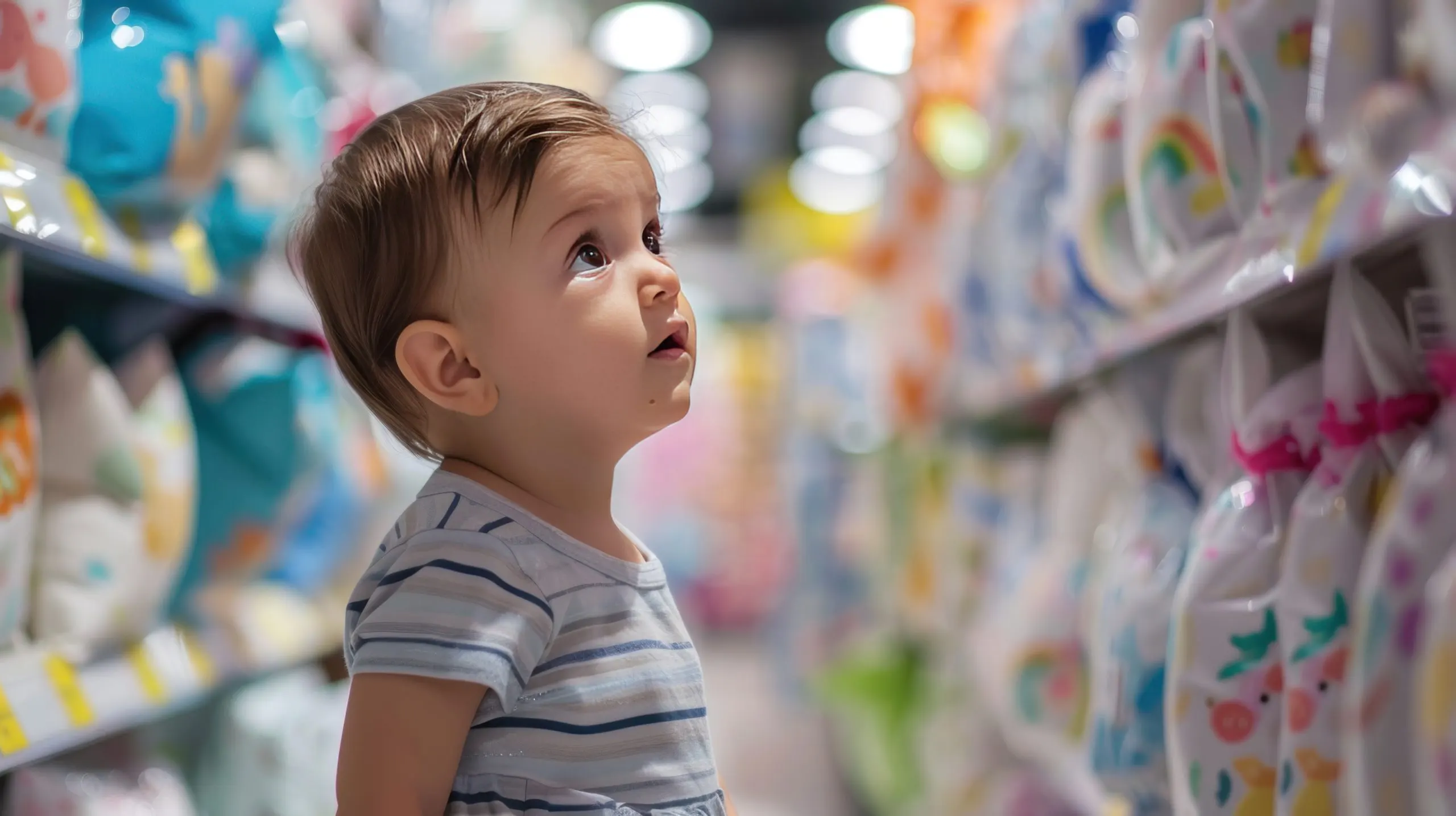
The KSA baby diapers market is experiencing steady growth, driven by rising birth rates and increasing awareness around infant hygiene. With a population exceeding 35 million and a significant proportion of young families, demand for convenient baby care solutions continues to grow. Modern parenting trends, coupled with higher disposable incomes, are encouraging the adoption of high-quality diaper products. Additionally, the growing presence of working mothers is shaping purchasing preferences toward reliable and time-saving solutions, making baby diapers an essential household product.
Key Drivers Powering the KSA Baby Diapers Market
Rising Birth Rates and Young Population
Saudi Arabia’s relatively young demographic profile plays a crucial role in market expansion. The country continues to record a stable birth rate, with millions of infants entering the consumer base each year. This consistent demand ensures steady growth for diaper manufacturers. Urbanization and improved healthcare facilities further support infant care awareness, encouraging parents to invest in better-quality hygiene products. As families become more health-conscious, diaper usage is becoming increasingly standardized across households.
Increasing Participation of Working Mothers
The growing number of working women in KSA is significantly influencing the baby diaper market. Convenience has become a top priority, and disposable diapers are preferred over traditional alternatives due to their ease of use. Studies indicate that households with dual incomes are more likely to opt for premium diaper brands, contributing to segment growth of over 7 percent annually. This shift highlights how lifestyle changes are directly impacting purchasing behavior and demand patterns.
Premiumization and Product Innovation
Consumers in Saudi Arabia are increasingly leaning toward premium, skin-friendly, and eco-conscious diaper products. Features such as enhanced absorbency, breathable materials, and rash protection are gaining popularity among parents. Premium diaper segments are witnessing faster growth compared to standard products, reflecting a willingness to pay more for quality and comfort. Additionally, brands are introducing organic and hypoallergenic options, aligning with global trends toward safer and sustainable baby care solutions.
Government Support for KSA Baby Diapers Market
The Saudi government’s focus on improving family welfare and healthcare infrastructure indirectly supports the baby diapers market. Initiatives aimed at maternal and child health, along with expanding healthcare services, promote better infant care practices. Awareness programs emphasizing hygiene and early childcare further boost product adoption. Additionally, economic diversification efforts are increasing household incomes, enabling families to spend more on high-quality baby care essentials.
Competitive Landscape of KSA Baby Diapers Market
The KSA baby diapers market is highly competitive, with global giants such as Procter & Gamble, Kimberly-Clark, and Unicharm dominating the space. These companies leverage strong brand recognition and extensive distribution networks to maintain market leadership. At the same time, regional and private-label brands are gaining traction by offering cost-effective alternatives. E-commerce platforms and large retail chains are also playing a vital role in expanding product availability and consumer reach.
Challenges Affecting KSA Baby Diapers Market Growth
Price Sensitivity Among Consumers
Despite rising incomes, a significant segment of consumers remains price-sensitive. Premium diaper products can be expensive, leading some families to opt for more affordable or bulk purchase options. This creates pressure on manufacturers to balance quality with competitive pricing strategies.
Environmental Concerns Around Disposable Products
Growing awareness about environmental sustainability is raising concerns over the disposal of single-use diapers. Many consumers are becoming cautious about the environmental impact, prompting demand for eco-friendly alternatives. However, these products are often priced higher, which limits widespread adoption.
Future Outlook
The future of the KSA baby diapers market appears promising, with steady growth expected in the coming years. Demand is projected to increase at around 6–7 percent annually, supported by population growth and evolving consumer lifestyles. Innovations such as biodegradable diapers and smart moisture indicators are likely to gain traction. Additionally, online sales channels are expected to expand rapidly, contributing significantly to overall market revenue. As awareness, affordability, and product innovation continue to improve, the market is set to evolve into a highly dynamic and opportunity-rich segment.
Consultants at Nexdigm, in their latest publication “KSA Baby Diapers Market Outlook to 2035,” analyze the sector By Product Type (Disposable Baby Diapers, Cloth Baby Diapers, Other), By Size Type (Small, Medium, Large, Extra Large).
Nexdigm suggests that businesses should focus on affordability and product innovation, expand eco-friendly diaper offerings, and strengthen distribution channels to effectively tap into the growing demand in the KSA baby diapers market.
To take the next step, simply visit our Request a Consultation page and share your requirements with us.
Harsh Mittal
+91-8422857704