
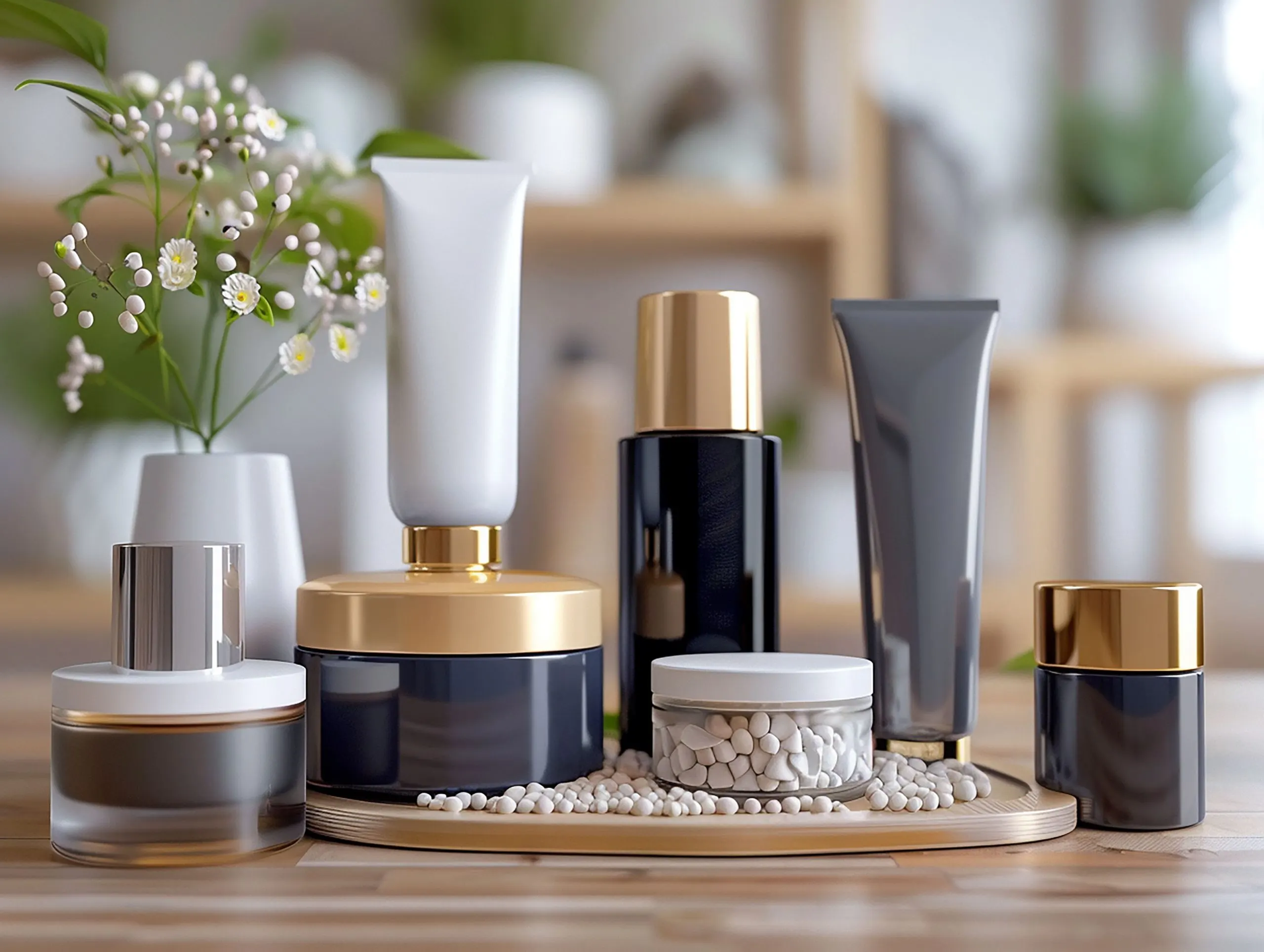
Saudi Arabia’s beauty and personal care market has changed noticeably over the last few years. What was once dominated by traditional retail counters and imported luxury labels now looks far more dynamic, with online platforms, local beauty brands, and younger consumers reshaping buying habits. In 2026, skincare routines, fragrance layering, and premium grooming products are no longer niche urban trends confined to Riyadh or Jeddah. They have become part of mainstream consumer culture across the Kingdom. At the same time, the market reflects a mix of opportunity and complexity. International brands continue to command attention, especially in prestige cosmetics and perfumes, but local players are finding space by offering halal-certified ingredients, Arabic-inspired fragrances, and products suited to the region’s climate. Saudi Arabia’s Vision 2030 reforms have also played a role by expanding retail activity, tourism, and women’s workforce participation, all of which influence spending on beauty and wellness products.
What’s Driving the Beauty and Personal Care Products Market in KSA?
Premium Skincare Becoming a Daily Habit
Skincare has moved well beyond basic creams and cleansers in Saudi Arabia. Consumers are paying closer attention to ingredients such as niacinamide, retinol, and hyaluronic acid, particularly among younger shoppers influenced by dermatologists and beauty creators online. Korean skincare products have gained strong traction, though many consumers are also experimenting with regional brands that market products specifically for hot and dry weather conditions. In practice, premium skincare no longer appeals only to affluent buyers. Mid-income consumers are increasingly willing to spend more on serums or sun protection if they believe the product delivers visible results. That shift matters because it pushes retailers to stock a broader range of brands instead of relying only on traditional luxury names.
E-Commerce and Influencer Culture Reshaping Sales
Beauty retail in Saudi Arabia has become deeply tied to social media. A single TikTok recommendation or Snapchat review can push a product into temporary sellouts within days. Online marketplaces and beauty-focused apps have benefited from this behavior, particularly as younger consumers compare reviews, prices, and tutorials before purchasing. This digital shift has also lowered barriers for smaller brands. Local companies that once struggled to secure shelf space in malls can now reach customers directly through Instagram shops and e-commerce platforms. Yet the online boom comes with trade-offs. Counterfeit products and inconsistent seller quality remain common concerns, especially in the fragrance segment where imitation perfumes circulate widely.
Men’s Grooming and Fragrances Continue to Expand
Fragrance has always held cultural significance in Saudi Arabia, but spending patterns are changing. Consumers are buying more niche and layered scents rather than sticking to a single traditional perfume. Oud-based fragrances remain central to the market, although international luxury perfume houses are blending Arabic notes with modern packaging to attract younger buyers. Men’s grooming is also becoming more visible. Beard oils, facial cleansers, styling waxes, and premium shaving kits are appearing more frequently in pharmacies and online stores. A few years ago, many of these categories were relatively underdeveloped. Today, they represent a meaningful revenue stream for both global and regional brands.
Government-Led Initiatives Supporting Retail and Consumer Industries
Saudi Arabia’s Vision 2030 agenda has indirectly strengthened the beauty and personal care sector through retail modernization and tourism expansion. Large shopping destinations, entertainment hubs, and international events have contributed to higher consumer spending on lifestyle products. Beauty retailers benefit from this environment because shopping in the Kingdom increasingly blends fashion, leisure, and personal wellness into one experience. The rise in female workforce participation has also influenced purchasing habits. Working professionals tend to spend more consistently on cosmetics, skincare, and fragrances, particularly premium categories tied to convenience and brand perception.
Market Competition and Brand Expansion
The market remains highly competitive, with global companies such as L’Oréal, Unilever, Procter & Gamble, and Estée Lauder Companies maintaining strong visibility across retail shelves and e-commerce channels. Still, local Saudi brands are carving out loyal audiences by focusing on culturally familiar fragrances, natural ingredients, and Arabic branding. A common challenge for new entrants is standing out in a crowded digital environment. Consumers have endless options, and loyalty can shift quickly when trends change.
High Dependence on Imported Products
Saudi Arabia still relies heavily on imported cosmetics, skincare products, and fragrances from Europe, South Korea, Japan, and the United States. This dependence creates pricing pressure whenever shipping costs rise or currencies fluctuate. Premium products, in particular, often become significantly more expensive after import duties and logistics costs are added. For retailers, maintaining inventory consistency can also become difficult during supply chain disruptions.
Future Outlook
The KSA beauty and personal care products market will likely continue evolving toward premium, digital-first, and experience-driven retail over the next decade. Online sales are expected to capture a much larger share of total beauty spending as consumers grow more comfortable with app-based shopping and virtual consultations. Clean beauty products, refillable packaging, and halal-certified formulations are also likely to gain stronger traction. Luxury fragrances and premium skincare should remain the market’s strongest segments, particularly as tourism and high-end retail expand across the Kingdom.
Consultants at Nexdigm, in their latest publication “KSA Beauty and Personal Care Products Market Outlook to 2035,” note that brands investing in localized product development, influencer partnerships, and stronger e-commerce fulfillment capabilities are likely to perform better in Saudi Arabia’s increasingly competitive beauty landscape.
To take the next step, simply visit our Request a Consultation page and share your requirements with us.
Harsh Mittal
+91-8422857704