
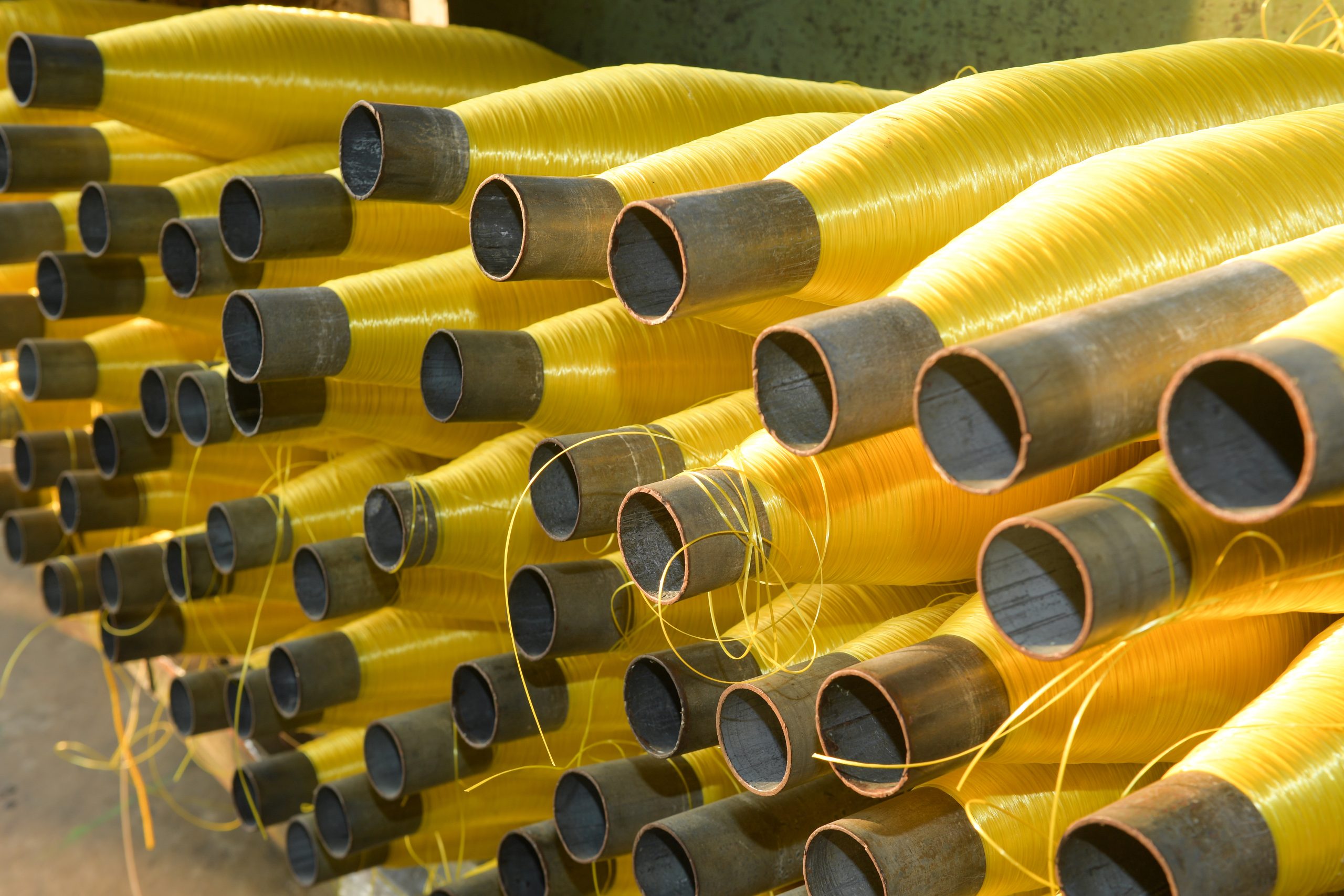
Saudi Arabia’s flexible pipe market is gaining traction as offshore oil and gas developments, pipeline upgrades, and localization programs reshape the Kingdom’s energy supply chain. Flexible pipes are increasingly relevant where operators need corrosion resistance, movement tolerance, and easier installation across demanding offshore environments. Aramco estimates that Saudi Arabia’s flexible pipe market could rise from about US$140 million in 2024 to US$166 million by 2029. Offshore investment aimed at maintaining crude production capacity of around 12 million barrels per day remains a central demand driver.
Key Factors Driving Growth in KSA’s Flexible Pipe Industry
Offshore Energy Projects Are Increasing Flexible Pipe Demand
Saudi Arabia’s offshore energy sector remains one of the clearest growth areas for flexible pipe suppliers. Flexible systems are particularly useful in subsea flowlines, risers, and shallow-water applications where pipeline movement, seabed conditions, and installation complexity make conventional rigid solutions less practical. Aramco identifies increased offshore capital expenditure as a major market driver and expects flexible pipe demand in the Kingdom to rise steadily through the latter part of the decade. The company also notes growing use of flexible pipelines in shallow and long-horizontal wells. Continued development of offshore fields, brownfield expansions, and production-maintenance projects should support demand for pipes designed for pressure resistance, corrosion control, and long operating life.
Localization Is Reshaping the Flexible Pipe Supply Chain
Localization is becoming another major market driver. Aramco’s iktva program reached 70% local content in procurement in early 2026 and now targets 75% by 2030. For flexible pipe manufacturers, this creates a strong incentive to establish local production, fabrication, testing, engineering, or service capabilities. Companies that combine technical expertise with in-Kingdom manufacturing are likely to become more competitive for future energy projects.
Government and Industry Initiatives Supporting KSA’s Flexible Pipe Market
Saudi Arabia’s industrial-development strategy is encouraging deeper localization of energy equipment and materials. Through iktva, Aramco has identified more than 200 localization opportunities across 12 sectors, representing an estimated annual market of US$28 billion. The program has also attracted around US$9 billion of inward investment and supported more than 350 investments from 35 countries. These initiatives can support local production of flexible pipes, components, specialized materials, and related engineering services.
Competitive Landscape of KSA’s Flexible Pipe Industry
KSA’s flexible pipe industry includes international subsea technology suppliers, domestic manufacturers, engineering contractors, oilfield service providers, and specialized material companies. Competition increasingly centers on pressure performance, corrosion resistance, fatigue life, localization, qualification standards, and installation support. Aramco’s focus on localized procurement is shifting competitive advantage toward suppliers that can manufacture, test, and service products within the Kingdom. Partnerships between global technology companies and Saudi industrial firms are therefore becoming increasingly important.
Challenges Affecting KSA’s Flexible Pipe Market
High Technical Requirements Increase Entry Barriers
Flexible pipes used in offshore oil and gas projects require complex multilayer designs, advanced polymers, metallic reinforcement, and extensive qualification. These requirements increase manufacturing costs and can limit participation by suppliers without established technical capabilities.
Localization Requires Significant Capital Investment
Meeting Saudi localization expectations often requires manufacturing facilities, workforce development, testing infrastructure, and technology transfer. While this creates long-term opportunities, the initial investment can be substantial, particularly for smaller international suppliers entering the market.
Future Outlook
As we look ahead, KSA’s flexible pipe market is likely to become increasingly shaped by the combination of offshore energy development and domestic manufacturing. Aramco expects the Kingdom’s flexible pipe market to reach roughly US$166 million by 2029, up from around US$140 million in 2024. At the same time, the drive toward 75% local procurement content by 2030 will influence how suppliers compete. Companies that pair high-performance pipe technology with local production, engineering expertise, reliable lifecycle support, and strong Saudi partnerships should be better positioned to capture future opportunities.
Consultants at Nexdigm, in their latest publication “KSA Flexible Pipe Market Outlook to 2035,” analyze the sector By Product Type (Bounded, Unbounded Flexible Pipes, Flexible Jumpers, Risers and Flowlines), By Application (Offshore Oil and Gas Production, Shale Oil and Gas Production, Mining Slurry Transportation and Chemical Transfer Systems).
Nexdigm suggests that businesses in the KSA Flexible Pipe Industry should invest in advanced flexible piping technologies, build partnerships with energy-infrastructure developers, and target industrial decarbonization and gas-network conversion opportunities.
To take the next step, simply visit our Request a Consultation page and share your requirements with us.
Harsh Mittal
+91-8422857704