
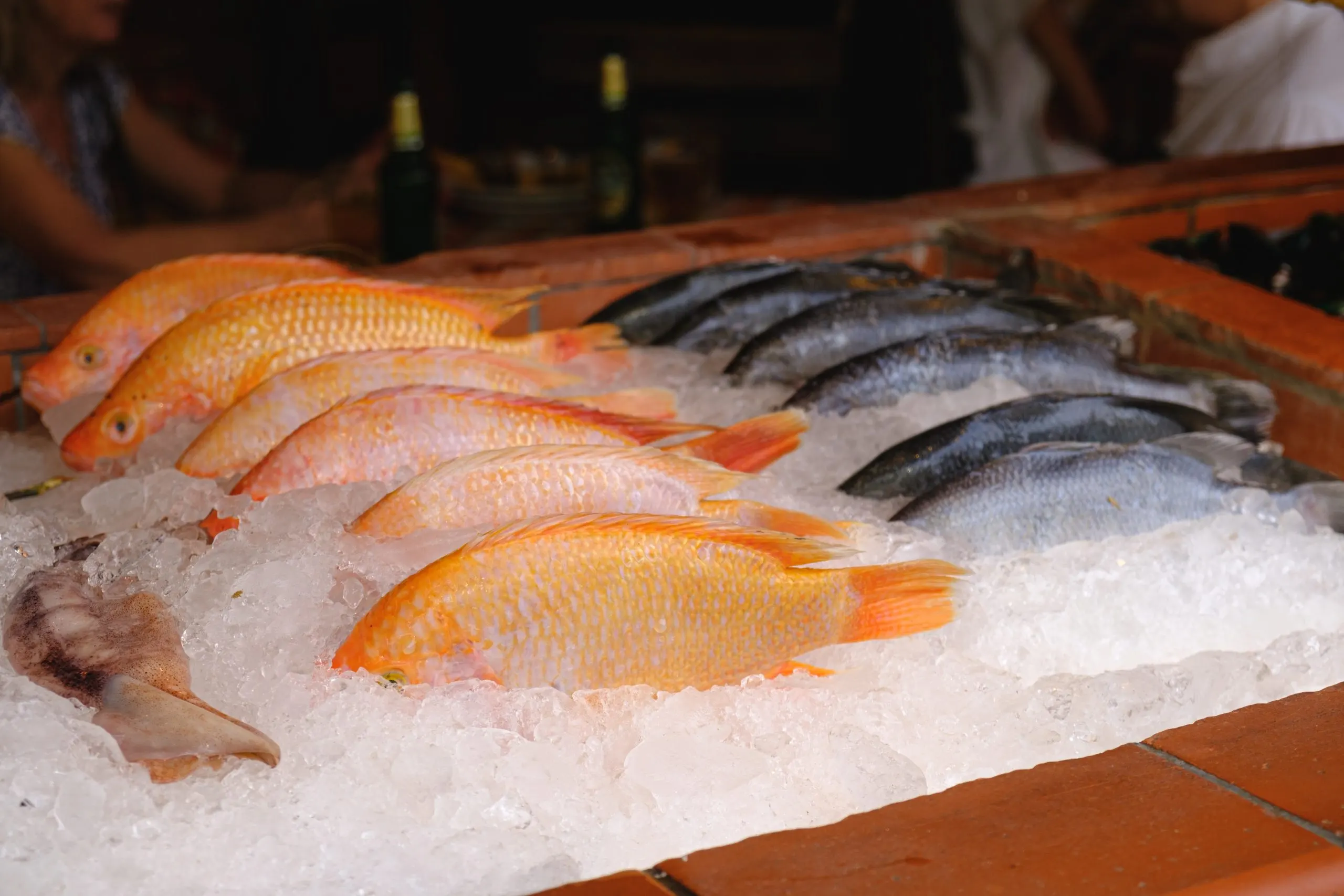
The KSA Frozen Seafood Market is steadily gaining traction as Saudi Arabia continues to diversify its food sources and promote healthier dietary habits. With a growing population and increasing urbanization, seafood consumption has become a key part of daily nutrition. The overall seafood market in the Kingdom exceeds 1 billion USD, reflecting strong and sustained demand. Fish consumption per capita has reached around 12–13 kg annually, indicating rising awareness of protein-rich diets. Frozen seafood, in particular, is becoming popular due to its convenience and longer shelf life. Beyond numbers, evolving consumer lifestyles and the influence of global cuisines are making frozen seafood a staple across both households and foodservice sectors.
Key Drivers Accelerating the KSA Frozen Seafood Market Growth
Rising Demand for Healthy and Protein Rich Diets
The KSA Frozen Seafood Market is benefiting from growing health consciousness among consumers. Seafood is widely recognized as a lean protein source, driving increased consumption across various demographic groups. With per capita fish consumption reaching approximately 12–13 kg annually, the trend toward healthier eating is clearly visible. Urban consumers, in particular, are increasingly opting for frozen seafood as a convenient way to maintain balanced diets. Additionally, the influence of international cuisines and changing eating habits is further boosting demand. This shift reflects a broader lifestyle transformation, where nutrition and convenience go hand in hand.
Strong Import Dependency and Supply Availability
Despite its long coastline, Saudi Arabia relies significantly on imports to meet seafood demand. The country imported around 171,000 tons of seafood, highlighting the importance of global supply chains. This import-driven structure ensures a wide variety of seafood products, including premium and exotic offerings, available throughout the year. Frozen seafood plays a key role in maintaining this consistent supply. Efficient logistics and cold chain networks are helping bridge the gap between international suppliers and local consumers. This system ensures product quality and accessibility across regions.
Growth in Retail, Foodservice, and Cold Chain Infrastructure
The expansion of supermarkets, hypermarkets, and foodservice outlets is significantly supporting the KSA Frozen Seafood Market. On-trade channels account for a major share of seafood consumption, reflecting strong demand from restaurants and hotels. Frozen seafood is widely used in quick-service restaurants and hospitality chains due to its ease of storage and preparation. Meanwhile, modern retail outlets are offering a wider variety of frozen products to consumers. Improved cold chain infrastructure is also ensuring better product quality and shelf life. As distribution networks grow stronger, the availability and popularity of frozen seafood continue to rise.
Government Initiatives Driving the KSA Frozen Seafood Market
The Saudi government is actively supporting the seafood sector through its Vision 2030 strategy, with a strong focus on food security and aquaculture development. Targets aim to increase aquaculture production to around 600,000 tons in the coming years. Programs such as the National Aquaculture Development Plan are encouraging investments in sustainable fish farming and improving production efficiency. These initiatives are not only reducing reliance on imports but also creating opportunities for local businesses. Government backing is laying the foundation for a more resilient and self-sustained seafood industry.
Competitive Dynamics in the KSA Frozen Seafood Market
The KSA Frozen Seafood Market is moderately competitive, with a mix of local producers, importers, and international suppliers operating across the value chain. Fish dominates the market, accounting for nearly 79 percent of total share. Companies are focusing on quality, certifications, and product innovation to attract consumers. The frozen segment is gaining traction due to its practicality and growing demand in urban areas. Strategic collaborations and supply partnerships are becoming increasingly important as businesses aim to strengthen their presence in the evolving market landscape.
Key Challenges Affecting the KSA Frozen Seafood Market
Dependence on Imports and Supply Volatility
One of the major challenges for the KSA Frozen Seafood Market is its reliance on imported seafood. Global price fluctuations, shipping delays, and trade disruptions can impact supply stability and pricing. This dependency creates uncertainty for businesses and highlights the need for diversified sourcing strategies. Addressing this issue is crucial for long-term market stability.
Environmental Constraints and Production Limitations
Despite having a long coastline, environmental conditions and limited natural resources restrict large-scale domestic production. Climate-related factors also affect aquaculture output. While investments are increasing, scaling up local production requires time, technology, and sustainable practices. Overcoming these challenges will be key to achieving long-term growth.
Future Outlook
The KSA Frozen Seafood Market is expected to grow steadily, supported by rising demand, government initiatives, and advancements in aquaculture. The frozen seafood segment is projected to expand at a growth rate of around 3.7 percent, reflecting increasing adoption. As Saudi Arabia continues to invest in food security and local production, the market will become more balanced between imports and domestic supply. Looking ahead, growing urbanization, evolving consumer preferences, and improved infrastructure will further drive demand. The market is poised to become more resilient, innovative, and aligned with global seafood consumption trends.
Consultants at Nexdigm, in their latest publication “KSA Frozen Seafood Market Outlook to 2035,” analyze the sector By Product Type (Frozen Fish, Frozen Shrimp, Frozen Premium Seafood), By End User (Retail Consumers, HoReCa, Catering and Institutional Buyers).
Nexdigm suggests that businesses should focus on strengthening supply chain resilience in the KSA Frozen Seafood Market by diversifying sourcing strategies, optimizing cold chain logistics, and ensuring consistent product availability despite import fluctuations.
To take the next step, simply visit our Request a Consultation page and share your requirements with us.
Harsh Mittal
+91-8422857704