
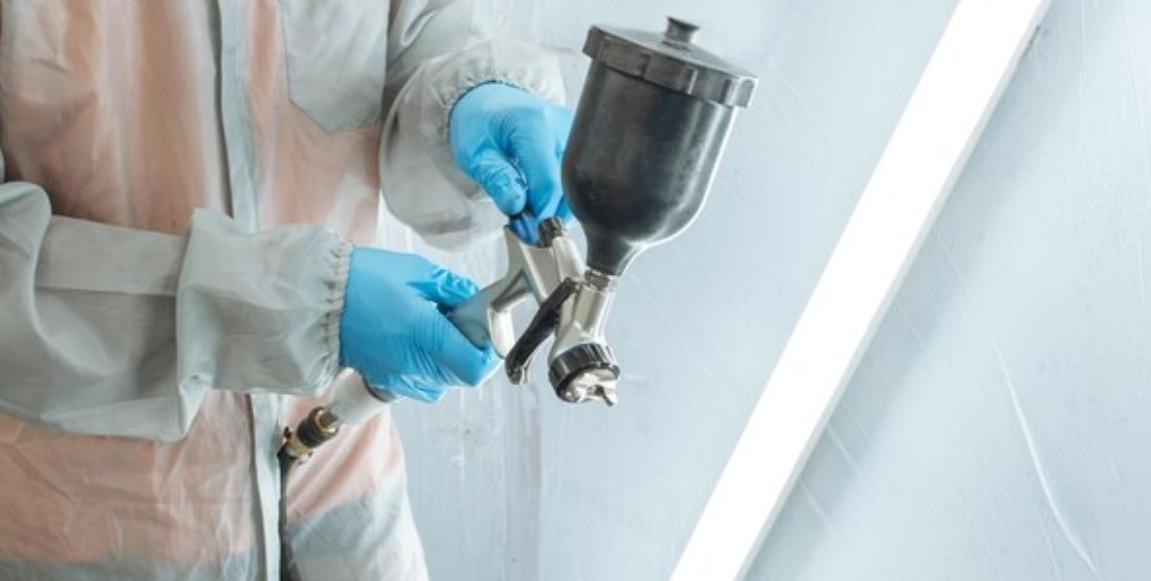
The gelcoat industry is gaining importance in Saudi Arabia as industries increasingly adopt composite materials that provide durability, corrosion resistance, and enhanced surface protection. Gelcoats are widely used as protective finishes for fibre-reinforced composites across marine, construction, renewable energy, transportation, and industrial applications. These coatings improve resistance against UV exposure, moisture, chemicals, and harsh environmental conditions. Saudi Arabia’s infrastructure expansion, growing marine developments, and focus on industrial diversification are creating new opportunities for advanced gelcoat solutions. As companies seek materials that improve product lifespan and performance, demand for innovative surface protection technologies is expected to increase.
Market Drivers of Saudi Arabia’s Gelcoat Industry
Marine Developments Create Demand for Protective Composite Coatings
Saudi Arabia’s expanding coastal developments and marine projects are supporting demand for gelcoat applications. These coatings are widely used in boats, yachts, marine structures, and fiberglass components due to their ability to provide smooth finishes and protection against water exposure and environmental stress. Growth in tourism, waterfront infrastructure, and maritime activities is encouraging the adoption of durable composite materials. Manufacturers are increasingly focusing on gelcoat solutions that offer improved colour stability, weather resistance, and reduced maintenance requirements for marine environments.
Construction Expansion Supports Composite Material Adoption
The Kingdom’s large-scale construction and infrastructure projects are creating opportunities for gelcoat manufacturers. Composite materials are increasingly used in architectural components, industrial structures, panels, tanks, and other applications requiring lightweight performance and corrosion resistance. Gelcoats help improve surface quality while extending the service life of composite products. Saudi Arabia’s Vision 2030 initiatives are supporting infrastructure development and economic diversification, contributing to broader demand for advanced materials.
Renewable Energy Growth Opens New Market Opportunities
Saudi Arabia’s renewable energy expansion is creating additional opportunities for composite coating solutions. The country is developing solar and wind energy projects as part of its transition toward a diversified energy mix, with renewable capacity expanding through national programs. Wind turbine components and other composite structures require protective coatings that can withstand environmental exposure and operational stress. This trend is encouraging manufacturers to develop high-performance gelcoat formulations with improved durability and resistance.
Government Initiatives Supporting Saudi Arabia’s Gelcoat Industry
Saudi Arabia’s Vision 2030 strategy, industrial development programs, and renewable energy initiatives are supporting the adoption of advanced materials across multiple sectors. Investments in infrastructure, manufacturing, tourism, and clean energy are creating opportunities for composite technologies. Collaboration between local industries, international suppliers, and research organizations is encouraging innovation in sustainable and high-performance coating solutions.
Competitive Landscape of Saudi Arabia’s Gelcoat Industry
The Saudi Arabian gelcoat market includes international chemical companies, composite material suppliers, resin manufacturers, and specialized coating providers. Companies are competing through product innovation, customized formulations, technical expertise, and sustainable solutions. Market participants are focusing on serving marine, construction, energy, and industrial customers with coatings designed for demanding environmental conditions.
Challenges Affecting Saudi Arabia’s Gelcoat Industry Development
Raw Material Dependence Creates Supply Chain Challenges
Gelcoat production relies on specialty resins, pigments, and chemical additives, making manufacturers vulnerable to fluctuations in raw material costs and availability. Maintaining competitive pricing while ensuring consistent product quality remains a key challenge.
Need for Skilled Application Expertise
Proper gelcoat application requires technical knowledge, controlled processing conditions, and quality management practices. Limited expertise among some end users can affect coating performance. Developing local skills and improving application standards will support wider adoption.
Future Outlook
In the coming years, Saudi Arabia’s gelcoat industry is expected to benefit from continued growth in marine projects, infrastructure development, renewable energy, and industrial applications. Increasing adoption of composite materials will encourage demand for durable and sustainable coating solutions. Manufacturers focusing on advanced formulations, customized products, and local partnerships can explore emerging opportunities. As Saudi Arabia continues investing in high-value industries and modern infrastructure, gelcoat is expected to become an important material for enhancing the performance, durability, and lifespan of composite products.
Consultants at Nexdigm, in their latest publication “KSA Gelcoat Market Outlook to 2035,” analyze the sector By Resin Chemistry (Epoxy, Vinyl Ester, Ortho phthalic Polyester, Bio- Based and Low Carbon Gelcoat), By Product Type (Tooling, Barrier, Conductive, High Gloss Decorative Gelcoat), By Application Method (Spray, Airless Spray, Brush and Roller Applied Gelcoat).
Nexdigm suggests that businesses in the KSA Gelcoat Industry must prioritize composite manufacturing capabilities, strengthen supply chain efficiency, expand applications across marine, construction, renewable energy, and industrial sectors, and adopt advanced coating technologies to meet evolving customer needs and capitalize on emerging market opportunities.
To take the next step, simply visit our Request a Consultation page and share your requirements with us.
Harsh Mittal
+91-8422857704