
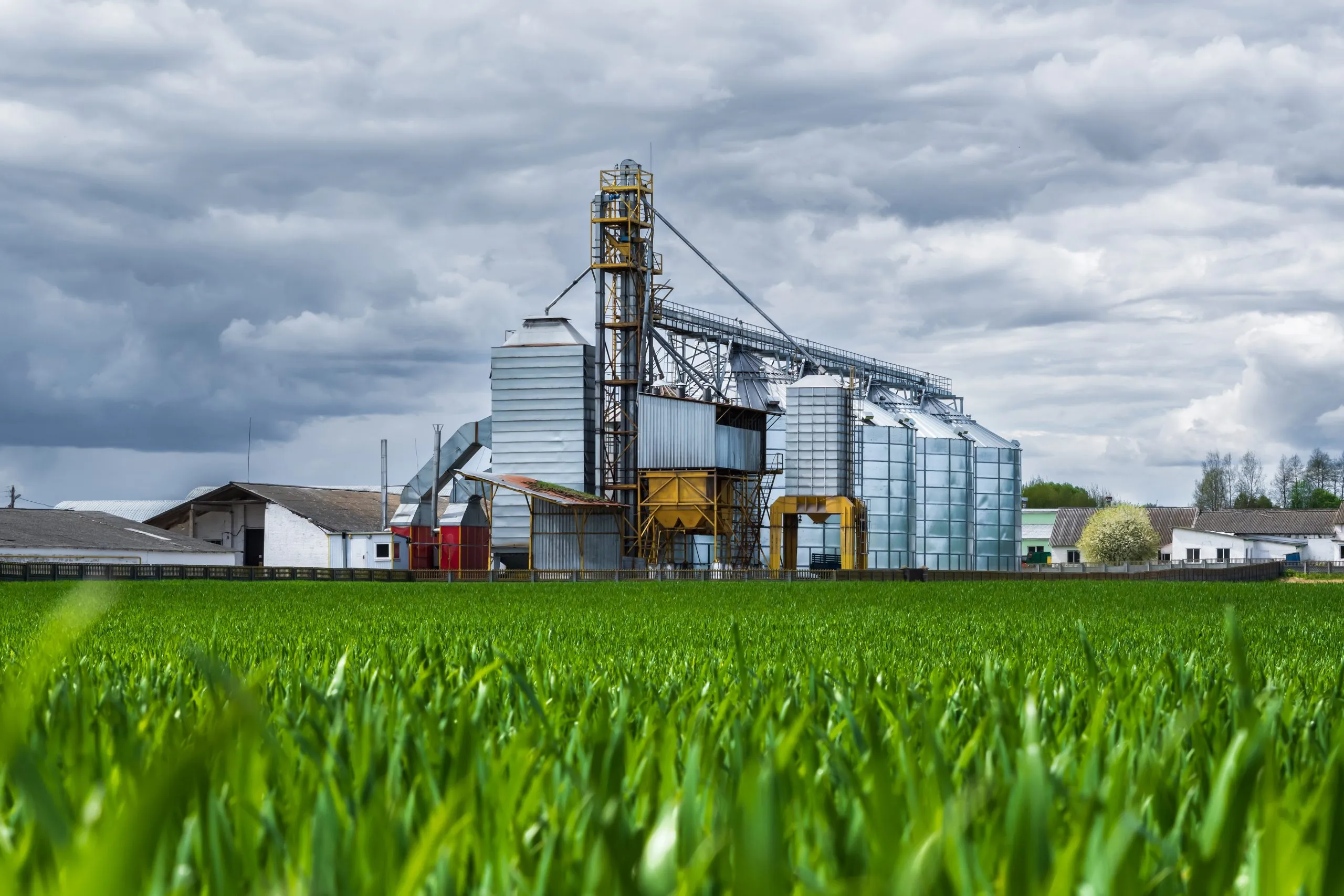
The KSA micronutrient fertilizer market is gaining significant traction as Saudi Arabia intensifies efforts to strengthen food security and promote sustainable agriculture. Despite limited arable land and challenging climatic conditions, the country is increasingly adopting advanced farming techniques, greenhouse cultivation, and precision agriculture to improve crop productivity. The Saudi agricultural micronutrients market is valued at approximately USD 85 million, reflecting the growing importance of balanced crop nutrition across the Kingdom. Demand for micronutrients such as zinc, iron, boron, and manganese is rising as farmers seek to address nutrient deficiencies in alkaline soils and enhance the quality of fruits, vegetables, and date palms. Growing awareness of soil health and efficient fertilizer use is further encouraging the adoption of specialized nutrient solutions across commercial farming operations.
Key Market Drivers Shaping the KSA Micronutrient Fertilizer Market
Expansion of Greenhouse Farming and Precision Agriculture
One of the primary drivers of market growth is the increasing adoption of greenhouse farming and precision agriculture technologies. Farmers are utilizing fertigation systems, soil diagnostics, and controlled-environment cultivation to maximize productivity while conserving water resources. These modern farming practices require precise nutrient management, boosting the demand for micronutrient fertilizers. The expansion of greenhouse agriculture has particularly increased the use of water-soluble and chelated micronutrient formulations, which improve nutrient uptake and crop performance under intensive cultivation systems.
Rising Focus on Food Security and Agricultural Diversification
Saudi Arabia’s commitment to food security under Vision 2030 is creating strong demand for advanced agricultural inputs. Government initiatives aimed at increasing domestic food production and reducing dependency on imports are encouraging the adoption of sustainable farming practices. The country’s population surpassed 37.4 million, increasing the need for efficient and productive agricultural systems. As a result, growers are investing in balanced nutrition programs that help maximize crop yields while maintaining soil health.
Increasing Demand from Fruits, Vegetables, and Date Palm Cultivation
Fruits and vegetables represent the dominant crop segment in the market due to their high nutrient requirements and commercial value. In addition, Saudi Arabia’s extensive date palm cultivation continues to generate substantial demand for micronutrient fertilizers. Zinc fertilizers currently hold a leading market position because zinc deficiencies are common in the Kingdom’s alkaline and calcareous soils. Farmers increasingly rely on zinc-based formulations to improve chlorophyll formation, nutrient absorption, and overall crop productivity.
Government Support Strengthening the KSA Micronutrient Fertilizer Market
Government support remains a key pillar of market development. Through Vision 2030 and various agricultural modernization programs, Saudi Arabia is encouraging the adoption of sustainable farming techniques, efficient irrigation systems, and advanced fertilizer products. The Agricultural Development Fund has also announced funding initiatives, including approximately SAR 1.5 billion to support agricultural development activities. Such measures are helping farmers adopt modern nutrient-management practices and improve domestic food production capabilities.
Competitive Landscape of the KSA Micronutrient Fertilizer Market
The market is moderately consolidated, with a mix of international fertilizer manufacturers and regional agricultural input providers. Competition is primarily driven by product innovation, chelated micronutrient technologies, greenhouse-focused solutions, and strong distribution networks. Leading companies are investing in specialized formulations tailored for Saudi Arabia’s soil conditions and water-efficient farming systems. Strategic collaborations with distributors, greenhouse operators, and commercial farms are further strengthening market penetration across the Kingdom.
Market Challenges Affecting the KSA Micronutrient Fertilizer Market
Challenging Soil Conditions and Nutrient Availability
Saudi Arabia’s agricultural soils are predominantly alkaline and calcareous, which can reduce the availability and uptake of critical micronutrients by crops. As a result, farmers often require specialized chelated and water-soluble formulations to achieve effective nutrient delivery. These soil-related challenges increase the complexity of nutrient management and necessitate greater reliance on agronomic expertise and precision application techniques.
High Dependence on Advanced Agricultural Inputs
Modern farming systems such as greenhouse cultivation and fertigation require significant investments in infrastructure and specialty fertilizers. For some producers, the higher costs associated with advanced micronutrient products may limit adoption rates. Ensuring affordability while maintaining product efficiency will remain a critical challenge for suppliers operating in the market.
Future Outlook
The future of the KSA micronutrient fertilizer market appears promising, supported by growing investments in agricultural modernization, food security initiatives, and precision farming technologies. The broader Saudi fertilizer market is projected to reach approximately USD 3.18 billion, reflecting favorable conditions for specialty fertilizer categories, including micronutrients. Continued expansion of greenhouse farming, increasing adoption of fertigation systems, and rising demand for high-quality fruits, vegetables, and date palms are expected to drive market growth. As sustainable agriculture becomes a national priority, micronutrient fertilizers will play a crucial role in improving nutrient-use efficiency, enhancing crop productivity, and supporting long-term agricultural resilience across Saudi Arabia.
Consultants at Nexdigm, in their latest publication “KSA Micronutrient Fertilizer Market Outlook to 2035,” analyze the sector By Nutrient Type (Zinc Fertilizers, Iron Fertilizers, Boron Fertilizers, Manganese Fertilizers, Copper Fertilizers, Molybdenum Fertilizers), By Crop Type (Fruits & Vegetables, Date Palm, Cereals & Grains, Fodder Crops, Greenhouse Crops, Oilseeds & Pulses).
Nexdigm suggests that businesses should focus on developing crop-specific micronutrient solutions for greenhouse crops, fruits, vegetables, and date palms, while leveraging precision agriculture and fertigation technologies to improve nutrient-use efficiency. Strengthening partnerships with commercial farms, greenhouse operators, and agricultural distributors can help companies capitalize on Saudi Arabia’s growing investments in food security, sustainable farming, and agricultural modernization.
To take the next step, simply visit our Request a Consultation page and share your requirements with us.
Harsh Mittal
+91-8422857704