
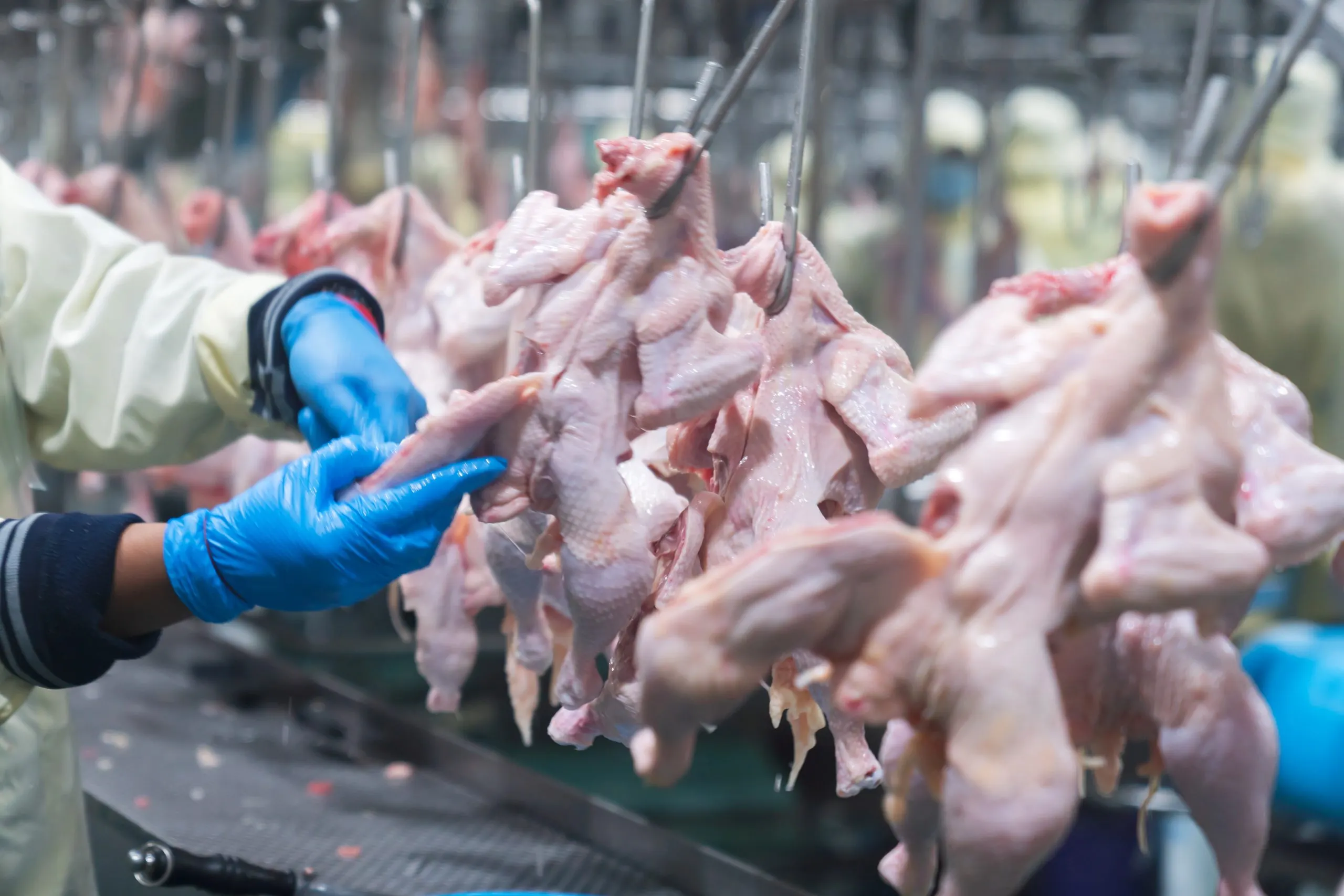
The KSA poultry meat market is growing steadily as chicken remains one of the most preferred protein sources across households, restaurants, hotels, and catering businesses. The market is supported by rising population, urban lifestyles, foodservice expansion, and strong halal protein demand. Poultry is widely consumed because it is affordable, versatile, easy to cook, and suitable for traditional as well as international cuisines. With the market estimated at USD 5.39 billion and expected to reach USD 5.86 billion, poultry meat is becoming increasingly important to Saudi Arabia’s broader food security and protein supply strategy.
Key Growth Drivers of the KSA poultry meat market
Poultry Remains a Preferred Halal Protein
Chicken is a staple protein in Saudi Arabia because it aligns with halal dietary preferences and fits well into everyday meals. Consumers use poultry in traditional dishes, grilled meals, fast food, frozen products, and ready-to-cook formats. Compared with red meat, poultry is often considered more affordable and easier to prepare, making it suitable for both household and commercial consumption.
Foodservice and Hospitality Expansion Are Increasing Poultry Consumption
Saudi Arabia’s expanding restaurant, tourism, catering, and quick-service restaurant sectors are creating steady demand for poultry meat. Hotels, cloud kitchens, cafés, and delivery-led food businesses depend on reliable supplies of fresh, chilled, frozen, and processed chicken products. As eating-out culture and food delivery continue to grow, demand is rising for boneless cuts, marinated chicken, nuggets, burgers, and other value-added poultry formats.
Domestic Production Growth Is Supporting Supply Reliability
Saudi Arabia is increasing local poultry production to reduce import dependence and improve food supply resilience. Poultry meat self-sufficiency has reached around 72%, showing strong progress in domestic production capacity. Investments in poultry farms, feed systems, processing units, and cold-chain infrastructure are helping the Kingdom strengthen its position in the regional poultry sector.
Government Support Is Strengthening Poultry Self-Sufficiency and Food Security
Government support for the poultry sector is closely linked to Vision 2030, food security, import substitution, and local production growth. Saudi Arabia is encouraging investment in poultry farms, processing facilities, feed supply, veterinary systems, and cold-chain infrastructure. The country is also working toward higher broiler meat self-sufficiency to reduce exposure to global supply disruptions. These initiatives are helping local producers scale operations, improve quality standards, and meet rising demand from retail and foodservice channels.
Competitive Landscape Is Shaped by Local Producers and Imported Poultry Suppliers
The KSA poultry meat market includes large domestic producers, regional suppliers, importers, distributors, supermarkets, foodservice suppliers, and processed poultry brands. Competition is influenced by price, halal compliance, freshness, product quality, brand trust, cold-chain strength, and distribution reach. Local companies are expanding production capacity to compete with imported poultry, especially in frozen and processed formats. Brands that offer consistent quality, strong availability, and value-added product options are better positioned to serve both household and commercial buyers.
Market Challenges in the KSA poultry meat market
Feed Dependence Increases Cost Volatility
Poultry production depends heavily on feed ingredients, and changes in global grain prices can increase operating costs for local producers. This can affect pricing across fresh, frozen, and processed poultry products.
Scaling Local Production Requires High Investment
Expanding poultry farms, processing capacity, cold-chain systems, and biosecurity measures requires significant capital. Producers must also manage disease risks, water limitations, energy costs, and strict food safety requirements while maintaining affordable prices for consumers.
Future Outlook
The KSA poultry meat market is expected to grow as food security priorities, population growth, tourism, and foodservice demand continue to strengthen poultry consumption. Future growth will likely come from fresh chicken, frozen cuts, marinated products, ready-to-cook meals, and processed poultry formats. Local production expansion will remain important as Saudi Arabia works toward reducing import dependence. Businesses that combine halal assurance, supply reliability, efficient cold-chain systems, competitive pricing, and convenient product innovation are likely to capture stronger opportunities in the market.
Consultants at Nexdigm, in their latest publication “KSA poultry meat market oulook to 2035,” analyze the sector By Product Type (Chicken Meat, Turkey Meat, Duck Meat), By Form (Fresh Poultry Meat, Frozen Poultry Meat, Processed Poultry Meat)
Nexdigm suggests that businesses should prioritize halal-certified production, feed cost efficiency, cold-chain reliability, and value-added poultry formats to capture growth in the KSA poultry meat market.
To take the next step, simply visit our Request a Consultation page and share your requirements with us.
Harsh Mittal
+91-8422857704
[email protected]