
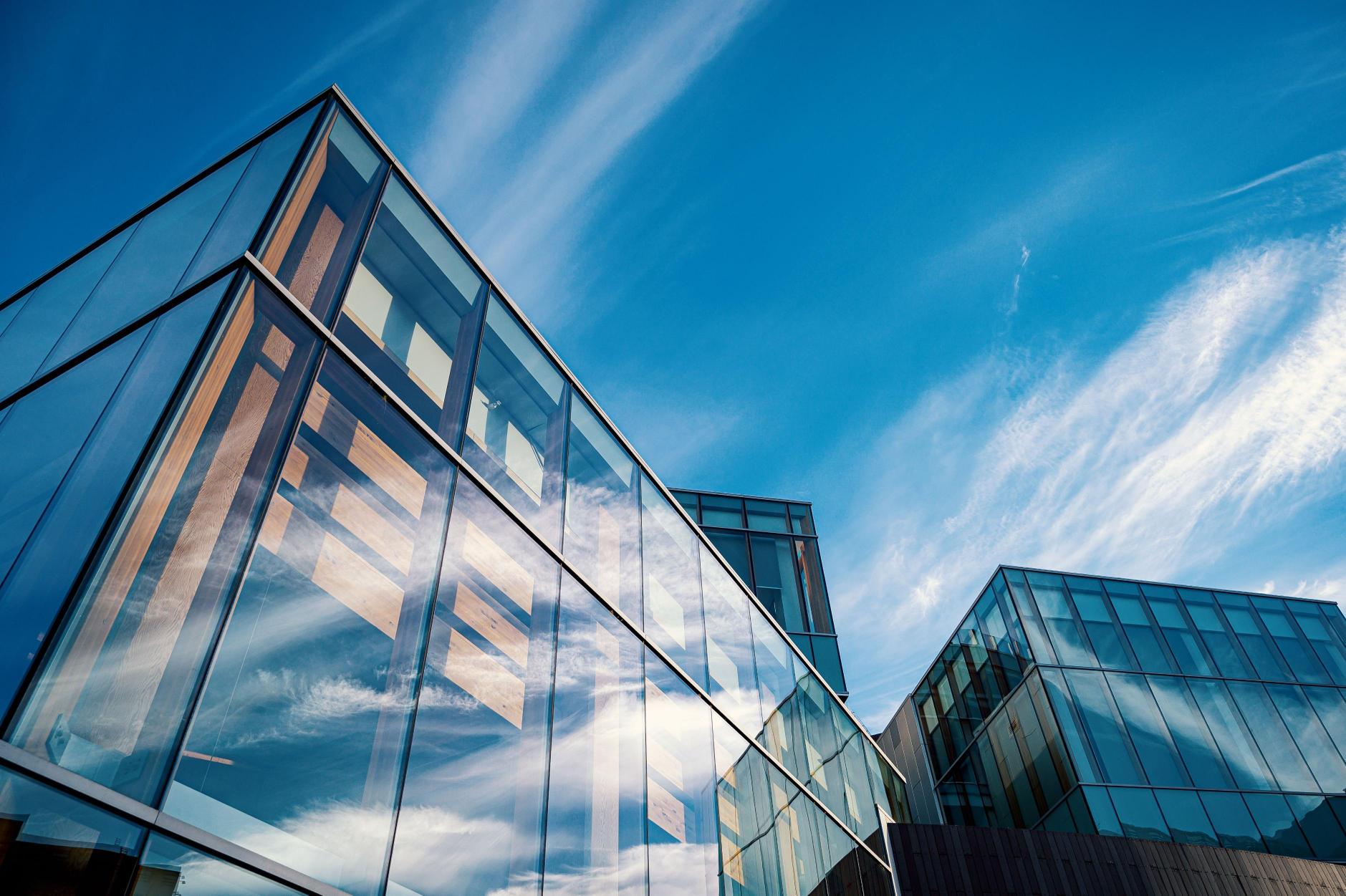
The KSA rainscreen cladding market is experiencing significant growth, supported by the country’s expanding construction sector, large-scale urban development projects, and increasing adoption of energy-efficient building materials. The market is valued at approximately USD 2.3 billion, driven by rising investments in commercial complexes, hospitality projects, residential developments, and infrastructure expansion. Demand for rainscreen cladding systems continues to increase as developers seek durable, thermally efficient, and weather-resistant façade solutions that align with modern architectural standards and sustainability objectives.
Market Drivers Advancing the KSA Rainscreen Cladding Growth
Expansion of Vision 2030 and Mega Projects
Saudi Arabia’s Vision 2030 program has accelerated investments in large-scale developments, including smart cities, tourism destinations, commercial hubs, and mixed-use projects. Landmark initiatives such as NEOM, The Line, Qiddiya, and Red Sea developments are generating substantial demand for advanced building-envelope solutions. Rainscreen cladding systems are increasingly preferred due to their aesthetic appeal, durability, and superior environmental performance.
Rising Focus on Energy Efficiency and Sustainable Construction
Growing awareness of energy conservation and sustainability is encouraging developers to adopt façade materials that improve building efficiency. Rainscreen cladding systems enhance thermal insulation, reduce heat transfer, and contribute to lower energy consumption. As Saudi Arabia continues to promote green building practices, demand for high-performance façade systems is expected to rise across commercial and residential projects.
Strong Growth in Construction Activity
Construction remains a major contributor to Saudi Arabia’s economic development, accounting for approximately 5.5% of GDP, while real estate activities contribute around 6.5% of GDP. Additionally, construction activity has recorded growth of approximately 4.2%, reflecting continued investment in infrastructure and urban expansion. Rapid development in Riyadh, Jeddah, and the Eastern Province is driving consistent demand for rainscreen cladding systems in office buildings, hospitality facilities, industrial projects, and residential complexes.
Government Initiatives Supporting KSA Rainscreen Cladding Industry
The Saudi government continues to support the construction ecosystem through Vision 2030, infrastructure modernization, housing initiatives, and tourism expansion programs. Favorable regulations promoting sustainable construction and energy-efficient buildings are encouraging the adoption of advanced façade technologies. Public investment in giga projects and urban development programs is creating long-term opportunities for rainscreen cladding manufacturers, suppliers, and installation specialists operating across the Kingdom.
Competitive Landscape of KSA Rainscreen Cladding Sector
The KSA rainscreen cladding market is moderately competitive, comprising international façade solution providers, regional manufacturers, and specialized installation contractors. Companies compete on product quality, fire resistance, thermal performance, design flexibility, and project execution capabilities. Strategic partnerships with construction companies and developers remain essential for securing contracts associated with large commercial and infrastructure projects.
Challenges Impacting KSA Rainscreen Cladding Industry
Volatility in Raw Material Prices
Manufacturers face challenges from fluctuating prices of aluminum, steel, composites, and other façade materials. Rising input costs can impact profitability and create pricing pressures across the supply chain.
Regulatory and Compliance Requirements
Increasing emphasis on fire safety standards, energy-efficiency regulations, and building-code compliance requires manufacturers to continuously invest in product innovation, testing, and certifications, which may increase operational costs.
Future Outlook
The future of the KSA rainscreen cladding market remains highly positive, supported by sustained construction activity, rapid urbanization, and government-backed development projects. The market is projected to expand steadily, supported by growing demand for energy-efficient, weather-resistant, and aesthetically appealing façade systems. Increasing investments in commercial buildings, hospitality infrastructure, industrial facilities, and mixed-use developments are expected to create substantial opportunities for market participants. As sustainability and high-performance building materials become increasingly important, rainscreen cladding solutions are likely to witness broader adoption across Saudi Arabia’s evolving construction landscape.
Consultants at Nexdigm, in their latest publication “KSA Rainscreen Cladding Market Outlook to 2035 ,” analyze the sector By (Market Definitions and Assumptions, KSA Rainscreen Cladding Market Classification, Rainscreen System Scope, Ventilated Facade and Cavity Wall Scope, Cladding Material Mapping,).
Nexdigm suggests that businesses in the KSA Rainscreen Cladding Industry focus on opportunities arising from expanding commercial construction, Vision 2030 developments, and increasing demand for energy-efficient façade systems. Strategic investments in innovative cladding solutions and project partnerships can support long-term market growth.
To take the next step, simply visit our Request a Consultation page and share your requirements with us.
Harsh Mittal
+91-8422857704