
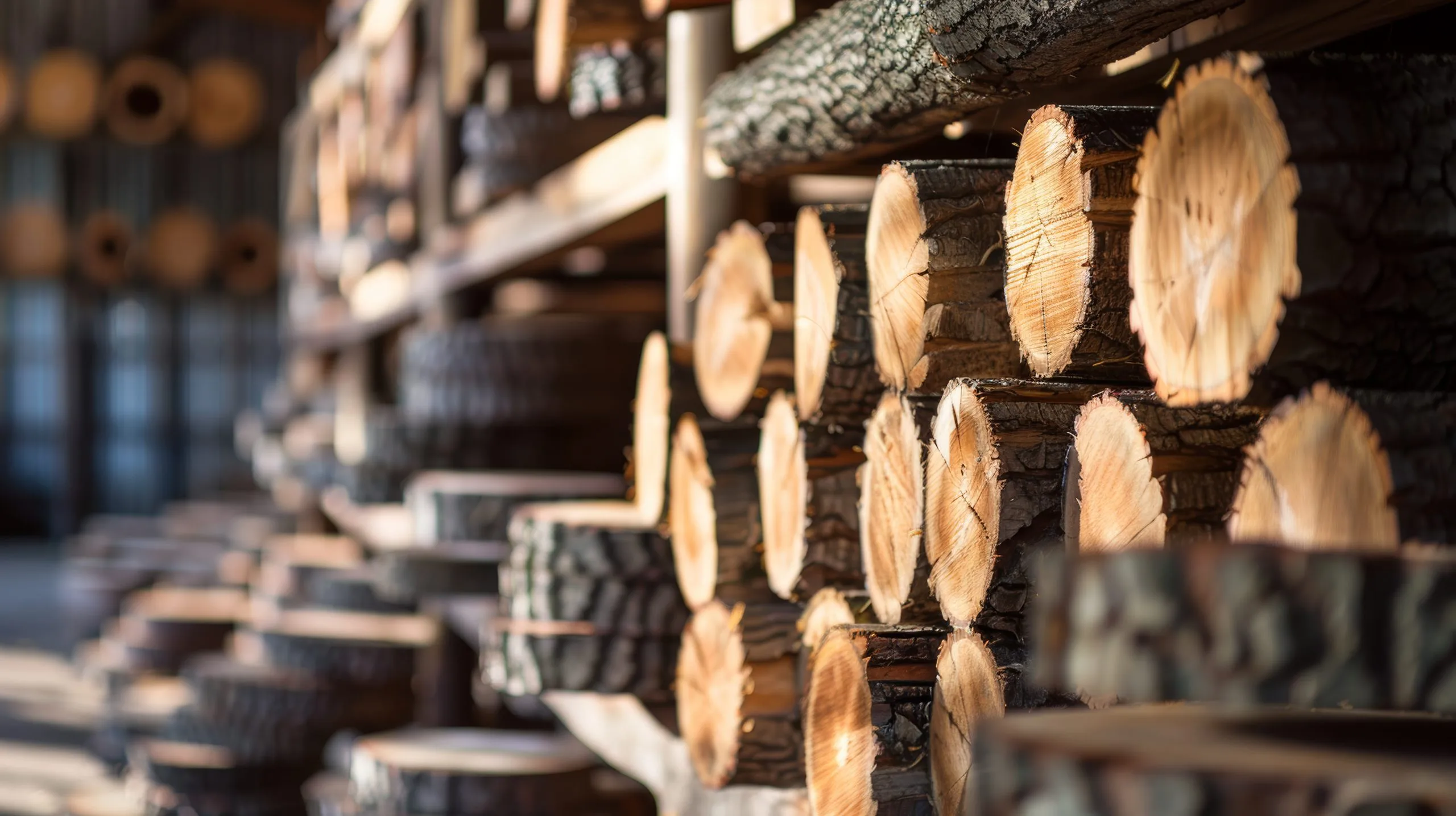
The KSA sawnwood market is expanding as Saudi Arabia continues to invest in construction, real estate, hospitality, infrastructure, interiors, furniture, and logistics-led development. Sawnwood is used in doors, windows, flooring, joinery, furniture, pallets, crates, formwork, decking, and decorative interiors because it is versatile, workable, and suitable for both structural and non-structural applications. Saudi Arabia is the largest GCC sawnwood importer, with around 1.7 million cubic meters and nearly 55% of total GCC imports. Demand is being supported by giga projects, urban development, housing growth, retail expansion, and import-led timber supply.
Key market drivers are strengthening sawnwood demand in KSA
Construction and giga-projects are supporting timber consumption
Saudi Arabia’s construction sector is a major demand driver for sawnwood, supported by large-scale real estate, tourism, commercial, industrial, transport, and infrastructure projects. Timber is used in formwork, temporary structures, doors, windows, flooring, interior finishes, furniture, joinery, and packaging. Projects linked to new cities, resorts, entertainment districts, logistics hubs, housing communities, and public infrastructure are increasing the need for reliable building materials. The Saudi sawnwood market value reached about USD 464 million, while the broader GCC sawnwood market reached USD 828 million, reflecting the country’s important position in the regional timber economy. For contractors and suppliers, consistent quality and timely availability are central to project execution.
Interiors, hospitality, and furniture demand are widening market relevance
Saudi Arabia’s hospitality, retail, office, residential, and premium interior sectors are creating demand for furniture-grade lumber, joinery wood, hardwood finishes, flooring, doors, wall panels, and decorative timber products. As more hotels, malls, homes, offices, and leisure spaces are developed, demand for wood-based interiors is becoming more diversified. Saudi Arabia recorded sawnwood consumption of 43 cubic meters per 1,000 persons, showing the material’s role in construction and lifestyle-linked applications. Coniferous sawnwood accounted for 73% of GCC imports, indicating strong demand for softwood in general construction, joinery, and interior uses.
Logistics and packaging applications are adding steady volume
Saudi Arabia’s growing logistics, manufacturing, food distribution, retail, and export sectors are increasing demand for pallets, crates, wooden boxes, and transport packaging. These applications provide regular sawnwood consumption beyond major construction cycles.
Government development initiatives are supporting market expansion
Government priorities under economic diversification, housing development, tourism, infrastructure expansion, industrial growth, and logistics modernization are supporting the KSA sawnwood market. Large-scale projects and urban development programs are creating demand for construction timber, interior materials, furniture, packaging, and project-ready wood products. Sustainability objectives and building quality expectations are also encouraging interest in certified timber, treated wood, and traceable supply chains. These initiatives are helping shift market expectations from basic timber trading toward specification-led supply, reliable documentation, and value-added processing that can support complex project requirements.
Competitive landscape is shaped by importers, distributors, and project-focused suppliers
The KSA sawnwood market includes timber importers, building material distributors, wholesalers, joinery suppliers, furniture manufacturers, pallet producers, construction suppliers, and project-focused wood product companies. Competition is shaped by international sourcing networks, species availability, price, grading consistency, moisture control, treatment quality, certification, warehousing, and delivery reliability. Saudi Arabia also led GCC non-coniferous sawnwood imports with 590 thousand cubic meters and 61% of import value, showing strong demand for higher-value hardwood and decorative wood applications. Suppliers with strong inventory planning, technical support, and relationships with contractors, developers, and interior firms are better positioned to capture repeat demand.
Market challenges continue to affect supply planning and project costs
Import dependence increases exposure to global timber volatility
Saudi Arabia relies heavily on imported sawnwood, making the market sensitive to freight rates, exchange rates, supplier-country policies, shipping disruptions, and global timber price movements. These factors can affect project budgets and delivery timelines.
Quality, treatment, and compliance expectations remain demanding
Wood products must meet project specifications, moisture requirements, treatment standards, and documentation expectations. In hot and dry conditions, incorrect timber selection or poor storage can affect performance and buyer confidence.
Future outlook
The future outlook for the KSA sawnwood market remains positive, supported by giga-projects, housing demand, hospitality development, furniture production, logistics growth, and rising need for certified timber products. GCC sawnwood demand is expected to grow at 0.8% CAGR, while Saudi Arabia’s role as the region’s largest importer provides a strong platform for supply-chain development. Opportunities are expected across coniferous sawnwood, hardwood lumber, treated timber, joinery wood, flooring, decking, furniture-grade lumber, pallets, crates, certified timber, and value-added processed wood. Businesses that invest in reliable sourcing, warehousing, treatment, certification, logistics planning, and project-specific product ranges will be better positioned for long-term growth.
Consultants at Nexdigm, in their latest publication “KSA sawnwood market outlook to 2035,” analyze the sector By Wood Species Type (Southern Yellow Pine Sawnwood, Douglas Fir Sawnwood, Spruce-Pine-Fir Sawnwood, Hem-Fir Sawnwood), By Product Form (Rough Sawn Lumber, Planed Sawnwood, Kiln-Dried Sawnwood)
Nexdigm suggests that businesses in the KSA sawnwood market should focus on sustainable, specification-ready, and import-resilient timber products that support demand across construction, giga-projects, interiors, hospitality, furniture, packaging, and logistics applications.
To take the next step, simply visit our Request a Consultation page and share your requirements with us.
Harsh Mittal
+91-8422857704