
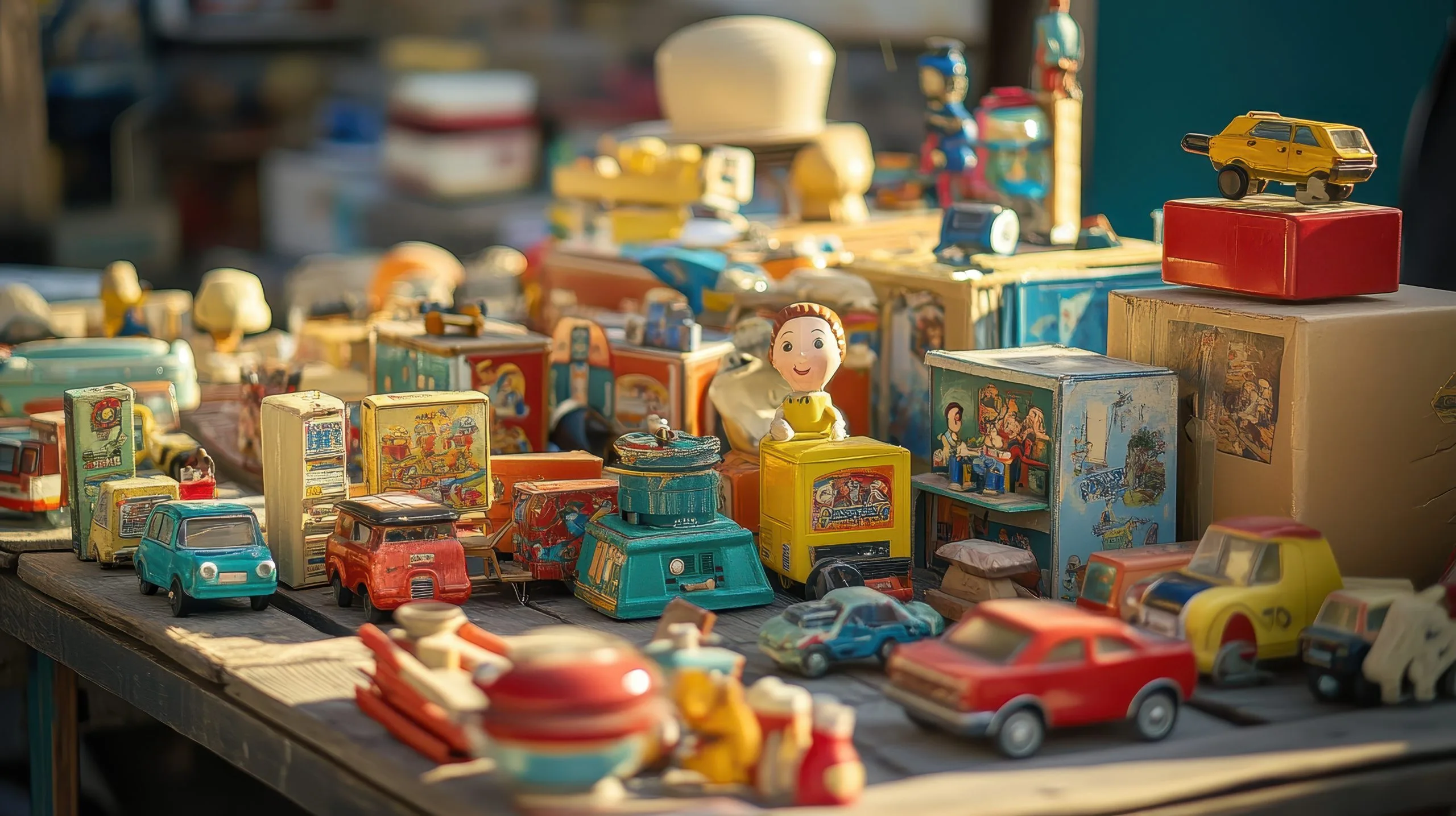
The KSA toys and games market is growing as families, schools, young consumers, tourists, and gift buyers look for products that offer more than basic entertainment. Toys are increasingly being used to support learning, creativity, social interaction, emotional development, and family bonding. The market includes traditional toys, dolls, puzzles, board games, construction sets, outdoor toys, educational products, licensed merchandise, collectibles, electronic games, and connected toys. Saudi Arabia’s toys and games market is growing at a CAGR of 4.15%. This growth reflects rising consumer spending, expanding retail access, and a stronger preference for branded and learning-focused products. In the coming years, demand is expected to be supported by educational play, e-commerce growth, premium retail, and Vision-led lifestyle changes.
Key Factors Driving the KSA Toys and Games Market
Educational Toys Gain Stronger Attention from Saudi Families
Educational and skill-based toys are becoming an important growth driver in KSA as parents place greater value on learning-oriented play. STEM kits, puzzles, coding toys, construction sets, science kits, Arabic learning games, robotics products, and creative activity toys are gaining attention because they support problem-solving, early learning, communication, motor skills, and creativity. This trend is supported by rising parental awareness, higher household spending, and the growing role of education-focused products in children’s daily routines. As parents become more selective, brands that clearly communicate educational value, age suitability, and product safety are likely to gain stronger consumer trust.
Premium Retail E-Commerce and Branded Toys Expand Market Reach
Saudi Arabia’s retail landscape is changing rapidly, supporting wider access to toys and games across the Kingdom. Malls, hypermarkets, specialty toy stores, entertainment destinations, online marketplaces, and mobile shopping apps are helping consumers discover both mass-market and premium products. Gift buying during Eid, birthdays, school rewards, and family occasions continues to support demand. Branded and licensed toys linked to cartoons, films, gaming characters, anime, sports, and global entertainment franchises are gaining popularity among children, teenagers, collectors, and gift buyers. E-commerce is also expanding access beyond major cities, giving brands a stronger route to reach consumers in smaller urban centres. Omnichannel retail and fast delivery models are expected to support market growth through 2035. Retailers that combine online convenience with in-store experience, seasonal promotions, and exclusive product launches are likely to perform better.
Interactive and Connected Toys Create New Growth Opportunities
Interactive toys, electronic games, app-linked products, and connected toys are emerging as strong growth areas in KSA. As children become more familiar with digital environments, parents are showing interest in toys that combine physical play with learning apps, audio features, sensors, coding elements, or interactive storytelling. These products can make playtime more engaging while also supporting language, logic, creativity, and problem-solving skills. This creates opportunities for brands offering safe, engaging, and age-appropriate technology-based products.
Government Initiative to boost KSA’s Toys and Games Market Growth
Government initiatives under Saudi Vision are indirectly supporting the toys and games market by encouraging entertainment, retail development, family recreation, education, and digital transformation. Investments in malls, leisure destinations, family entertainment centres, tourism infrastructure, and lifestyle experiences are expanding consumer touchpoints for toy brands. The Kingdom’s focus on education, innovation, and youth development also supports demand for STEM toys, robotics kits, learning games, Arabic educational toys, and creative play products. These categories align with broader goals around skills development, digital readiness, and family-focused recreation. Product safety regulations and import standards remain important for building consumer confidence in certified toys. As the market becomes more formal and brand-led, compliance and clear labeling will remain essential for manufacturers, importers, and retailers.
Competitive Landscape of the KSA Toys and Games Market
The KSA toys and games market includes international toy brands, regional distributors, specialty retailers, hypermarkets, e-commerce platforms, private-label players, and local suppliers. Competition is shaped by pricing, brand strength, product safety, licensing partnerships, retail placement, digital visibility, delivery convenience, and seasonal availability. Global brands often lead in premium, licensed, educational, and electronic toy categories, while regional and local players compete through affordability, distribution reach, cultural relevance, and Arabic-language products. E-commerce has also opened opportunities for smaller brands to reach parents and gift buyers directly. As consumers become more selective, companies will need to compete on more than price. Trust, safety certification, product durability, learning value, packaging quality, and strong after-sales support will become more important differentiators.
Challenges Facing the KSA Toys and Games Market
Price Sensitivity and Import Dependence Affect Market Stability
Price sensitivity remains a challenge in KSA’s toys and games market, especially in mass-market toy categories. Families often compare prices across malls, online marketplaces, hypermarkets, discount stores, and seasonal promotions before making purchases. This makes pricing strategy important for both premium and value-focused brands. Many toys sold in the Kingdom are imported, which makes prices vulnerable to freight costs, supplier disruptions, currency movement, customs duties, and global manufacturing conditions. Budget-conscious consumers may shift toward discounted products, private labels, or lower-cost alternatives when prices rise.
Safety Compliance and Fast-Changing Preferences Create Inventory Risks
Toy safety compliance is essential, but testing, labeling, documentation, and import requirements can increase costs for suppliers and retailers. Companies need to ensure that toys meet safety expectations around age suitability, materials, small parts, and product information before they reach consumers. Consumer preferences can also change quickly due to entertainment releases, gaming trends, social media influence, and seasonal gifting cycles. This creates inventory risk, particularly for licensed toys, collectibles, and trend-led products. Better forecasting, flexible sourcing, and stronger consumer insight will become increasingly important.
Future Outlook
The KSA toys and games market is expected to grow steadily through 2035, supported by educational play, premium retail, e-commerce expansion, licensed merchandise, entertainment-led shopping, and connected toys. Demand will come from parents, schools, tourists, gift buyers, collectors, and digitally engaged children, making product segmentation more important. Future growth will depend on how well companies balance affordability, safety, innovation, and cultural relevance. STEM toys, Arabic learning products, robotics kits, interactive games, licensed toys, sustainable materials, and omnichannel retail models are expected to create strong opportunities. In the coming years, the market is likely to become more premium, more digitally connected, and more focused on safe, meaningful, and family-oriented play.
Consultants at Nexdigm, in their latest publication “KSA Toys & Games Market Outlook to 2035 ,” analyze the sector By Product Type (Building Sets, Puzzles, Plush Toys, Action Figures, Playsets, Dolls, Roll Play Toys), by Age Groups (Infants, Toddlers, Adults, Pre School Children, Primary School Children), by Distribution Channel (Specialty Stores, E Commerce Marketplaces, Supermarkets, Grocery Stores)
Nexdigm suggests that businesses should focus on product innovation, safety compliance, omnichannel retail strategies, and consumer-specific product portfolios to strengthen their position in the toys and games market. Companies should also track licensed entertainment trends, invest in educational and interactive toys, and build flexible supply chains to manage seasonal demand and fast-changing consumer preferences.
To take the next step, simply visit our Request a Consultation page and share your requirements with us.
Harsh Mittal
+91-8422857704