
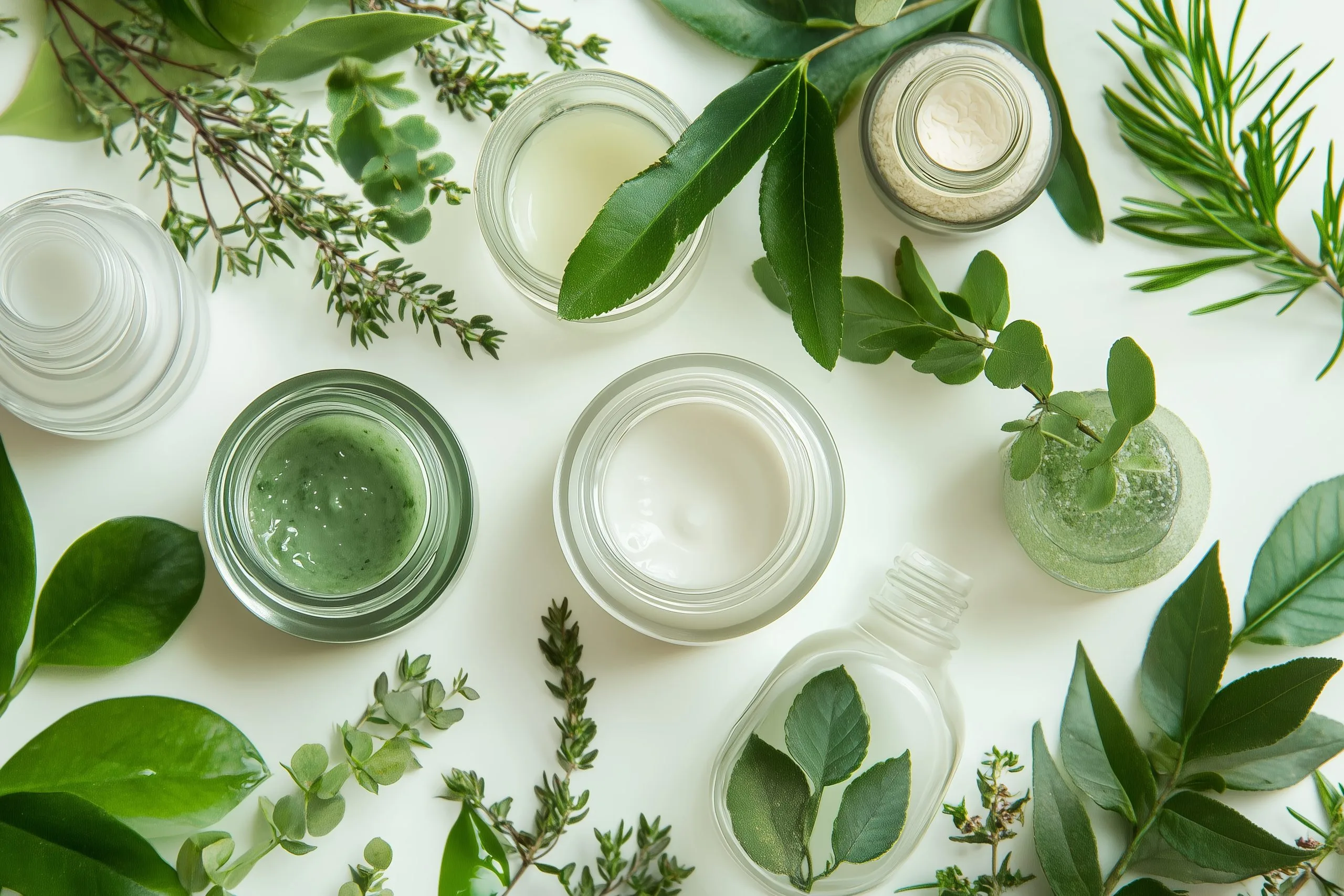
Saudi Arabia’s beauty industry has changed noticeably over the last few years, and vegan cosmetics have moved from being a niche preference to a category with real commercial weight. Consumers, particularly younger urban buyers, are paying closer attention to what goes into skincare, makeup, and personal care products. Ingredient labels matter more now than they did a decade ago. Products marketed as cruelty-free, plant-based, and free from harsh chemicals are finding shelf space across premium stores and online platforms alike. As of 2025, Saudi Arabia remained one of the largest beauty and personal care markets in the Middle East, supported by high spending on grooming products and a rapidly expanding digital retail culture. In practice, much of the momentum is coming from consumers who want beauty products that align with both ethical concerns and modern lifestyle preferences rather than simply following global trends.
What’s Driving the Vegan Cosmetics Market in Saudi Arabia?
Clean Beauty Has Become More Than a Trend
A noticeable shift in consumer behavior is reshaping the market. Younger buyers in cities such as Riyadh and Jeddah are questioning synthetic ingredients, animal testing practices, and long chemical formulations. Vegan skincare products with botanical extracts, essential oils, and simplified ingredient lists are often viewed as safer and more transparent. Social media has amplified this awareness. Beauty influencers routinely compare ingredient labels and discuss sustainability claims, which has made consumers more selective. Interestingly, many shoppers are not fully vegan themselves, yet they still prefer cosmetics perceived as cleaner or less processed. That distinction matters because it broadens the customer base well beyond a niche vegan audience.
E-Commerce Is Changing How Beauty Products Reach Consumers
Online retail has quietly become one of the strongest channels for vegan beauty brands in Saudi Arabia. A few years ago, international vegan cosmetics were difficult to find outside specialty stores. Today, consumers can browse Korean vegan skincare, European cruelty-free makeup brands, or regional halal-certified products through local e-commerce platforms within minutes. This accessibility has changed purchasing habits. Smaller brands that would struggle to secure physical retail partnerships can now reach consumers directly through digital campaigns and influencer collaborations. On the ground, many first-time buyers discover vegan cosmetics through TikTok tutorials or Instagram product reviews rather than traditional advertising.
Demand for Halal and Ethical Products Often Overlaps
One of the more interesting aspects of the Saudi market is how vegan cosmetics frequently intersect with halal beauty preferences. While halal and vegan are not identical categories, they share certain consumer expectations around ingredient sourcing and ethical manufacturing. Many buyers prefer products free from animal-derived components, alcohol-based additives, or controversial chemicals. This overlap creates opportunities for brands that can satisfy both expectations at once. Some regional companies are already tailoring products specifically for Gulf consumers instead of relying on generic global branding. That localized approach tends to resonate better, especially in premium skincare.
Government-Led Initiatives Supporting Beauty and Retail Expansion
Saudi Arabia’s Vision 2030 reforms have indirectly benefited the cosmetics industry by encouraging retail diversification, entrepreneurship, and higher female workforce participation. Shopping destinations across Riyadh, Jeddah, and Dammam now feature a wider mix of international beauty retailers and specialty cosmetic stores than before. Beauty spending has also become more lifestyle-oriented, particularly among younger consumers with rising disposable income. At the same time, sustainability discussions are becoming more visible within retail and packaging sectors. While government policy is not specifically focused on vegan cosmetics, the broader push toward modern retail infrastructure and consumer-focused industries has created favorable conditions for the category.
Market Competition and Brand Landscape
The Saudi vegan cosmetics segment remains competitive, though international brands still hold a strong advantage in visibility and consumer trust. Companies such as L’Oréal, The Body Shop, and e.l.f. Beauty continue expanding their cruelty-free and plant-based product lines across the Kingdom. Regional brands are entering the market as well, often emphasizing halal-friendly formulations and locally relevant marketing campaigns. A common challenge for smaller players is balancing premium-quality ingredients with affordable pricing because imported raw materials and certifications add costs quickly.
High Dependence on Imported Premium Products
Saudi Arabia still relies heavily on imported vegan beauty products, especially in premium skincare and makeup categories. This creates pricing pressure in a market where consumers are becoming more quality-conscious but still compare value carefully. Imported products often carry higher logistics expenses, certification costs, and retailer markups. In practice, locally manufactured vegan cosmetics remain limited in scale. Another issue is certification clarity. Many consumers are unsure whether labels such as “natural,” “clean beauty,” and “vegan” actually mean the same thing, which sometimes leads to skepticism around marketing claims.
Future Outlook
The KSA vegan cosmetics market will likely see steady expansion through 2035 as ethical consumption becomes more mainstream rather than trend-driven. Skincare and haircare are likely to account for much of the future demand since consumers in these categories tend to pay closer attention to ingredients and product safety. E-commerce will continue shaping product discovery, particularly through influencer-led content and direct-to-consumer sales models. Local manufacturing may also gain traction over time, although imported brands are expected to dominate the premium segment for the foreseeable future.
Consultants at Nexdigm, in their latest publication “KSA Vegan Cosmetics Market Outlook to 2035,” believe companies that focus on transparent ingredient sourcing, halal-vegan certifications, and localized digital marketing will have a stronger advantage as consumer awareness matures across the Kingdom.
To take the next step, simply visit our Request a Consultation page and share your requirements with us.
Harsh Mittal
+91-8422857704