
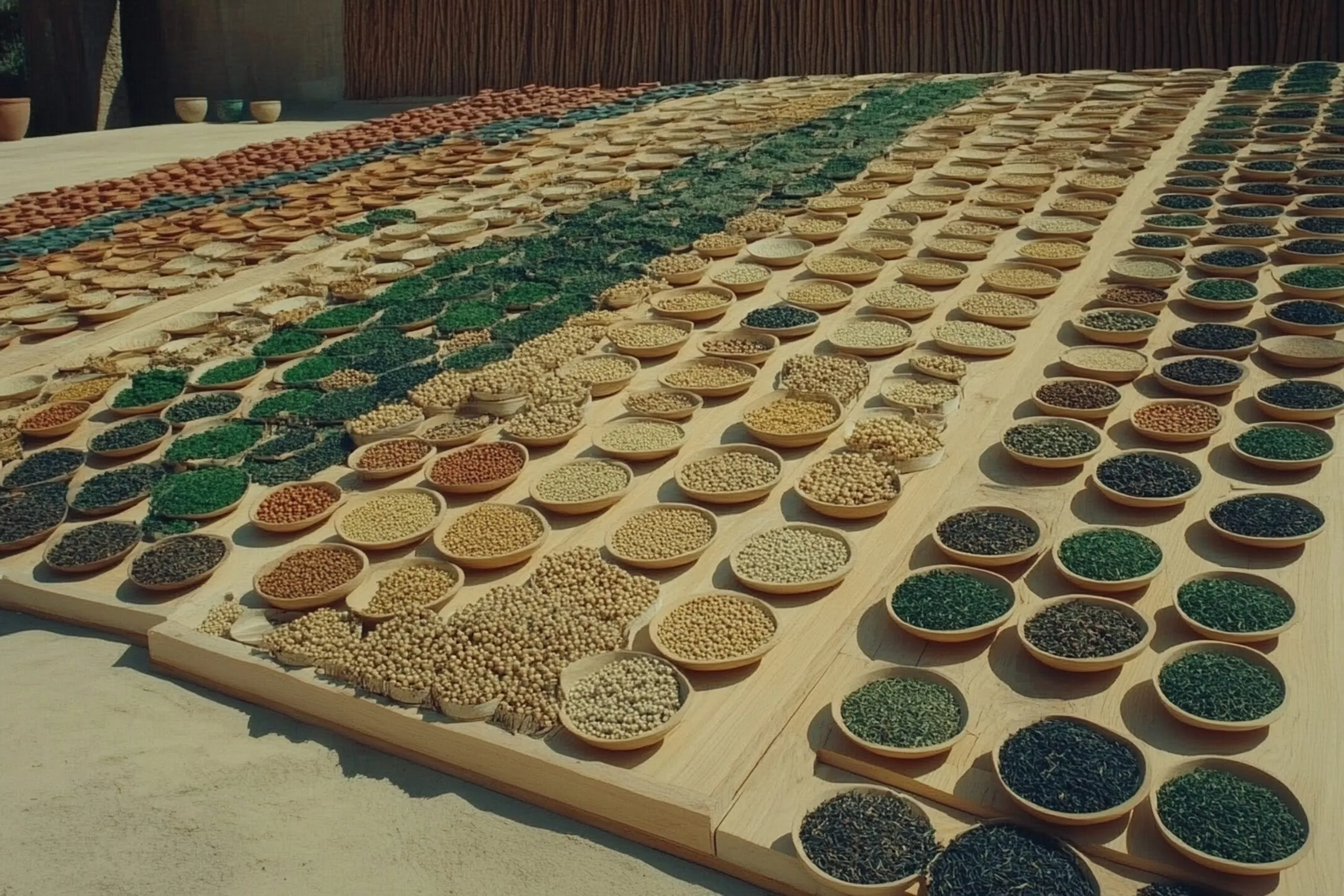
The KSA vegetable seed market is undergoing a significant transformation as Saudi Arabia strengthens its focus on food security, sustainable agriculture, and modern farming technologies. The growing adoption of greenhouse cultivation, hydroponics, and controlled-environment agriculture is creating strong demand for high-quality vegetable seeds. The market is benefiting from increasing investments in agricultural innovation, with tomato production exceeding 691,000 tons and greenhouse tomato output surpassing 299,000 tons, highlighting the importance of advanced seed varieties in boosting productivity. As farmers seek higher yields and greater climate resilience, the demand for hybrid vegetable seeds continues to rise across the Kingdom.
Key Growth Drivers in the KSA Vegetable Seed Market
Expansion of Greenhouse and Protected Cultivation
One of the most important growth drivers in the KSA vegetable seed market is the rapid expansion of greenhouse farming. Given the country’s arid climate and limited water resources, growers are increasingly shifting toward controlled-environment agriculture to ensure year-round vegetable production. Greenhouse operations require specialized seed varieties that offer consistent germination, disease resistance, and high productivity. The increasing use of hydroponics and vertical farming systems is further accelerating demand for premium vegetable seeds, particularly tomatoes, cucumbers, peppers, and leafy greens.
Rising Demand for Hybrid and Climate-Resilient Seeds
Saudi farmers are increasingly adopting hybrid F1 seeds because they provide superior yields, better tolerance to heat and salinity, and improved resistance to pests and diseases. These characteristics are especially valuable in desert farming environments where weather and water-related challenges can significantly impact crop production. As commercial farming expands, growers are prioritizing seeds that deliver predictable harvests and higher profitability. This trend is encouraging seed companies to invest in innovative breeding programs specifically designed for Saudi Arabia’s unique agricultural conditions.
Growing Focus on Food Security and Domestic Production
The Kingdom’s efforts to improve food self-sufficiency are also supporting market growth. Saudi Arabia achieved a 63% self-sufficiency rate in the value-added agriculture sector, reflecting the success of various agricultural development programs. Increased domestic vegetable production is driving demand for quality seeds that can maximize output while utilizing resources efficiently. With population growth, changing consumption habits, and rising demand for fresh vegetables, the need for advanced seed technologies is expected to remain strong over the coming years. Farmers are becoming more willing to invest in premium varieties that can improve both productivity and produce quality.
Government Initiatives Supporting the KSA Vegetable Seed Market
Government support remains a major pillar of growth for the KSA vegetable seed market. Through the Agricultural Development Fund, financing for agricultural projects has expanded significantly, with lending increasing from approximately USD 133 million to nearly USD 1.87 billion over recent years. The Kingdom is also investing heavily in greenhouse infrastructure, research initiatives, and food security programs. Projects such as Reef and large-scale agricultural modernization efforts are helping farmers adopt improved seed technologies and sustainable cultivation methods.
Competitive Landscape of the KSA Vegetable Seed Market
The KSA vegetable seed market features a combination of international seed developers, regional distributors, and local agricultural suppliers. Competition is largely centered on hybrid seed innovation, climate adaptability, and technical support for commercial growers. Market participants are focusing on introducing heat-tolerant and high-yield varieties tailored for greenhouse and hydroponic farming. Strategic partnerships, product innovation, and expanded distribution networks continue to play an important role in strengthening market presence and customer loyalty.
Key Challenges Facing the KSA Vegetable Seed Market
Water Scarcity and Harsh Climate Conditions
Despite strong growth opportunities, water scarcity remains one of the biggest challenges facing the KSA vegetable seed market. High temperatures, saline soils, and limited freshwater resources make vegetable cultivation difficult in many regions. These constraints increase the need for drought-resistant and heat-tolerant seed varieties, requiring continuous investment in breeding and agricultural research.
Dependence on Imported Seed Varieties
A significant portion of premium vegetable seeds used in commercial farming is sourced from international suppliers. Dependence on imports can expose growers to supply chain disruptions, fluctuating prices, and regulatory complexities. Developing local breeding capabilities and strengthening domestic seed production will remain important priorities for ensuring long-term market sustainability.
Future Outlook
The future of the KSA vegetable seed market appears highly promising, supported by a projected CAGR of approximately 10.3%, expanding greenhouse cultivation, and growing government investments in agricultural modernization. The Kingdom’s focus on food security, sustainable farming, and climate-smart agriculture will continue to drive demand for advanced vegetable seed varieties. Emerging technologies such as hydroponics, vertical farming, and precision agriculture are expected to create new growth opportunities for seed developers. As growers increasingly seek higher productivity, improved quality, and resilience against environmental challenges, innovative hybrid and climate-adapted vegetable seeds will play a critical role in shaping the future of Saudi agriculture.
Consultants at Nexdigm, in their latest publication “KSA Vegetable Seed Market Outlook to 2035,” analyze the sector By Crop Family (Tomato Seeds, Cucumber Seeds, Leafy Green Seeds, Pepper and Capsicum Seeds, Melon and Watermelon Seeds), By Distribution Channel (Direct-to-Farm Sales, Seed Importers and Local Distributors, Agri-Input Distributors, Hydroponic Solution Providers, Farm Project and Turnkey Suppliers).
Nexdigm suggests that businesses should focus on developing heat-tolerant and water-efficient vegetable seed varieties, strengthen partnerships with greenhouse and hydroponic operators, and align their product portfolios with Saudi Arabia’s food security goals to capitalize on the rapidly growing opportunities in the KSA vegetable seed market.
To take the next step, simply visit our Request a Consultation page and share your requirements with us.
Harsh Mittal
+91-8422857704