
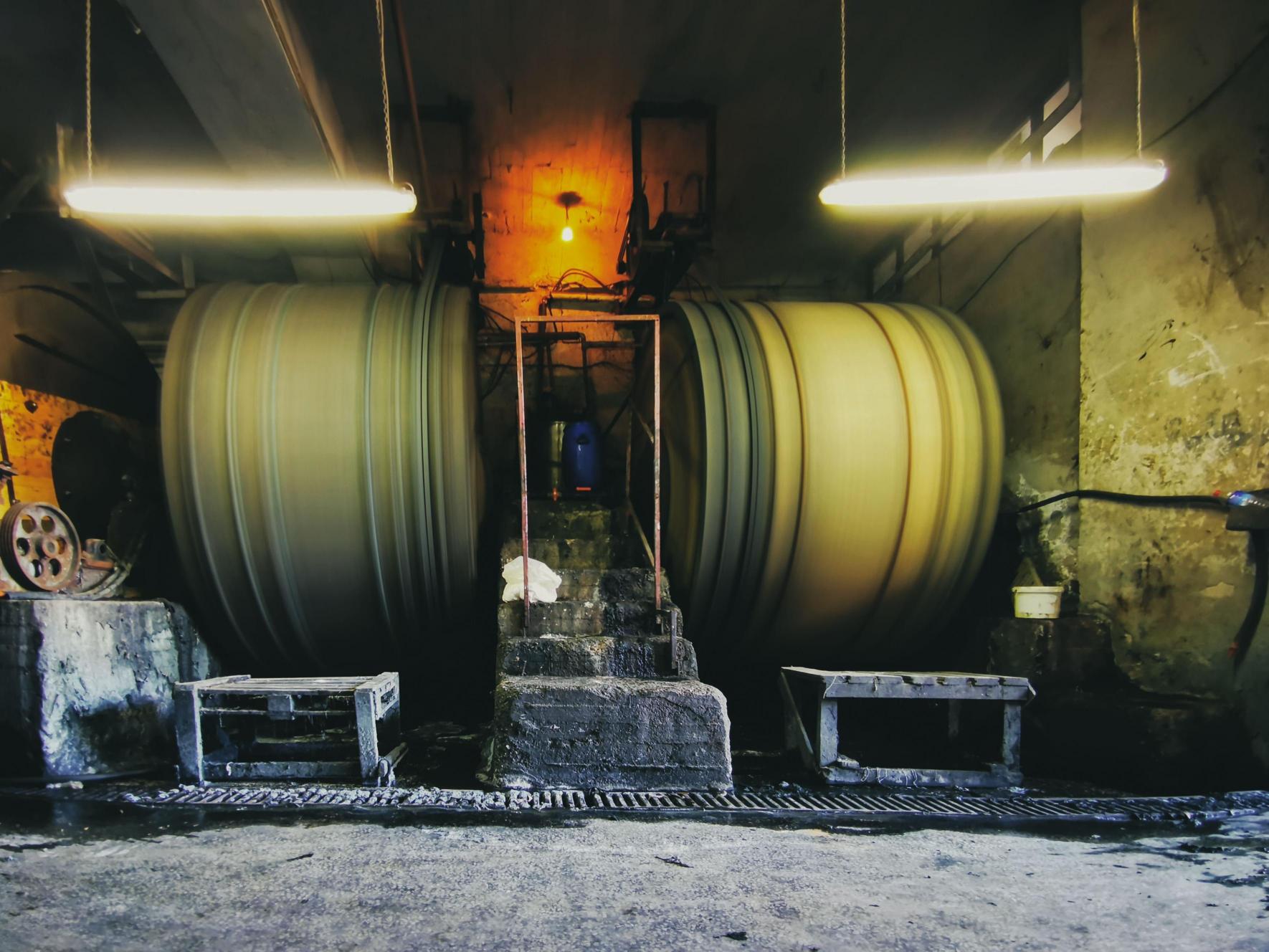
The Malaysia composite rollers market is gaining momentum as manufacturers increasingly adopt lightweight, durable, and high-performance components to improve production efficiency. Composite rollers are widely used in printing, packaging, flexible-film conversion, electronics manufacturing, and automated industrial systems. Malaysia’s growing manufacturing ecosystem continues to create significant demand for precision-engineered machinery components. The country recorded approximately RM120.5 billion in approved manufacturing investments across 1,108 projects, generating nearly 87,695 employment opportunities, highlighting the robust industrial foundation supporting demand for composite rollers. As automation and productivity enhancement become priorities, the market is expected to witness sustained expansion.
Market Drivers Advancing the Malaysia Composite Roller Growth
Expanding Manufacturing Investments
Malaysia’s strong manufacturing sector remains the primary driver for composite roller demand. The nation attracted approximately RM120.5 billion in approved manufacturing investments, reflecting growing confidence among domestic and international investors. New manufacturing facilities require advanced machinery equipped with high-strength and lightweight rollers capable of improving operational efficiency while reducing maintenance costs. Industries such as automotive components, consumer goods, electronics, and industrial equipment increasingly utilize composite rollers to enhance performance and production reliability.
Growth of Packaging and Flexible Film Industries
The rapid expansion of Malaysia packaging sector is creating substantial opportunities for composite roller manufacturers. Demand food packaging, e-commerce packaging, and flexible films continue to rise due to changing consumer preferences and retail growth. Composite rollers offer superior corrosion resistance, dimensional stability, and reduced weight compared to traditional metal rollers, making them an attractive option in high-speed packaging and converting operations. As production volumes increase, manufacturers are investing in advanced roller technologies to maintain efficiency and product quality.
Rising Industrial Automation and Electronics Production
Malaysia is a major electronics manufacturing hub in Southeast Asia. The increasing adoption of automated production lines requires precision-engineered components that can withstand continuous operations. Composite rollers help reduce vibration, improve machine accuracy, and minimize downtime. Growing investments in semiconductor equipment, industrial automation systems, and smart manufacturing initiatives are expected to further strengthen demand for composite rollers across multiple industrial applications.
Government Initiatives Supporting Malaysia Composite Roller Industry
The Malaysian government actively supports industrial growth through investment promotion programs, infrastructure development, and advanced manufacturing initiatives. Agencies such as the Malaysian Investment Development Authority (MIDA) continue to encourage investments in high-value manufacturing and automation projects. Industrial development policies aimed at enhancing productivity, digitalization, and technological innovation are creating favorable conditions for machinery and equipment suppliers. These initiatives support broader adoption of composite rollers across key manufacturing sectors.
Competitive Landscape of Malaysia Composite Roller Sector
The Malaysia composite rollers market features a mix of international manufacturers, regional suppliers, and specialized engineering companies. Market participants compete through product innovation, customization capabilities, material technology advancements, and after-sales services. Companies are focusing on developing lightweight, high-strength composite solutions designed for packaging, printing, electronics, and industrial automation applications. Strategic collaborations with machinery manufacturers and industrial customers are becoming increasingly important for strengthening market presence and expanding customer reach.
Challenges Impacting Malaysia Composite Roller Industry
High Initial Product Costs
Composite rollers often involve higher manufacturing and procurement costs compared to traditional steel or aluminum alternatives. Small and medium-sized enterprises may delay adoption due to budget constraints and concerns regarding return on investment.
Limited Technical Awareness
In certain industrial segments, awareness regarding the long-term benefits of composite rollers remains limited. Some manufacturers continue relying on conventional roller systems, slowing the pace of market penetration despite the operational advantages offered by advanced composite materials.
Future Outlook
The future of Malaysia composite rollers market appears promising, supported by ongoing industrialization, manufacturing investments, and increasing automation across production facilities. Growing demand from packaging, electronics, semiconductors, and flexible-film industries is expected to create new opportunities for market participants. Industrial centers such as Selangor, Kuala Lumpur, Johor, Penang, and Kedah, which collectively account for significant manufacturing investments, are likely to remain in key demand hubs. As companies prioritize efficiency, durability, and lightweight machinery components, composite rollers are expected to play an increasingly important role in Malaysia’s evolving industrial landscape.
Consultants at Nexdigm, in their latest publication “Malaysia Composite Rollers Market Outlook to 2035,” analyze the sector By (Market Definitions and Assumptions, Malaysia Composite Rollers Market Classification, Composite Roller Technology Mapping, Carbon Fiber Composite Roller Assessment,).
Nexdigm suggests that businesses in the Malaysia Composite Rollers Industry focus on enhancing production capabilities, investing in lightweight and durable composite technologies, strengthening distribution networks, and catering to growing industrial demand to improve operational efficiency and long-term market competitiveness.
To take the next step, simply visit our Request a Consultation page and share your requirements with us.
Harsh Mittal
+91-8422857704