
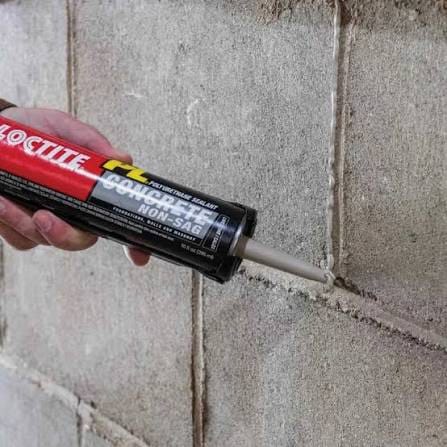
Malaysia’s construction sector continues to evolve as large-scale infrastructure projects, industrial developments, commercial buildings, and residential housing schemes drive demand for advanced construction materials. Construction sealants have become a critical component in ensuring building durability, energy efficiency, waterproofing, and structural integrity. From skyscrapers in Kuala Lumpur to industrial parks in Johor and Penang, sealants are increasingly used to enhance performance and extend asset lifecycles. With Malaysia’s construction industry contributing over 4% to the national GDP and ongoing investments in transportation and smart city projects, the demand for high-performance silicone, polyurethane, and hybrid sealants is expected to rise steadily throughout the forecast period.
Market Drivers Advancing the Malaysia Construction Sealants Industry
Expanding Infrastructure and Mega Construction Project
Malaysia’s government and private sector continue to invest heavily in transportation, logistics, and urban development projects. Initiatives such as rail network expansions, transit-oriented developments, highways, and industrial corridors are generating significant demand for sealants used in bridges, tunnels, façades, and concrete joints. The country’s construction output has surpassed RM150 billion annually, while major infrastructure developments continue to attract both domestic and foreign investments. These projects require advanced sealing solutions that can withstand tropical weather conditions, high humidity, and long-term structural movement, creating strong opportunities for sealant manufacturers.
Rising Adoption of Sustainable and Energy-Efficient Buildings
Green construction is becoming increasingly important across Malaysia’s commercial and residential sectors. Developers are integrating energy-efficient designs, insulated façades, and sustainable building materials that rely on high-performance sealants to prevent air and moisture leakage. Modern silicone and hybrid sealants play an essential role in achieving green building certifications by improving thermal efficiency and reducing maintenance costs. As organizations prioritize sustainability targets and operational efficiency, demand for environmentally friendly, low-VOC sealants continues to increase.
Growth in Industrial and Residential Construction
Rapid urbanization and industrial expansion are further accelerating sealant consumption. New residential townships, affordable housing projects, manufacturing facilities, data centers, and logistics hubs require sealing solutions for windows, curtain walls, flooring systems, and expansion joints. Malaysia’s urban population exceeds 75%, creating continuous demand for housing and supporting infrastructure. With increasing investments in industrial parks and manufacturing clusters, construction sealants have become vital materials across numerous end-use applications.
Government Initiatives Supporting the Malaysia Construction Sealant Industry
The Malaysian government continues to support construction activity through infrastructure modernization programs, affordable housing initiatives, and industrial development plans. Programs under the Twelfth Malaysia Plan emphasize sustainable urban development, transportation connectivity, and resilient infrastructure. Additionally, green building policies and energy-efficiency frameworks encourage the adoption of advanced construction materials, including high-performance sealants that improve building longevity, environmental performance, and operational efficiency.
Competitive Landscape of Malaysia Construction Sealants Sector
The Malaysia construction sealants market features a mix of multinational suppliers and regional manufacturers competing through product innovation and distribution expansion. Key participants include Sika Malaysia, Dow, Henkel, Arkema (Bostik), Saint-Gobain, Mapei, Tremco CPG, and Shin-Etsu. Companies are focusing on low-emission formulations, weather-resistant technologies, and customized solutions for commercial, industrial, and infrastructure applications. Strategic partnerships with contractors, architects, and project developers remain critical for strengthening market presence.
Challenges Impacting Malaysia Construction Sealants Industry
Volatility in Raw Material Prices
Construction sealant manufacturers depend heavily on petrochemical-based raw materials such as silicone polymers and polyurethane resins. Fluctuating global energy and feedstock prices can impact production costs and profit margins, creating pricing challenges for suppliers and contractors.
Compliance with Environmental Regulations
As sustainability standards become stricter, manufacturers must invest in low-VOC and environmentally responsible formulations. Meeting evolving regulatory requirements while maintaining product performance and affordability remains a significant challenge for industry participants.
Future Outlook
The future of Malaysia’s construction sealants market appears promising, supported by strong infrastructure spending, growing urbanization, industrial expansion, and increasing adoption of sustainable construction practices. Demand is expected to shift toward technologically advanced products offering superior weather resistance, durability, and environmental performance. As smart buildings, green developments, and industrial facilities become more prevalent, sealant manufacturers that emphasize innovation, sustainability, and application-specific solutions are likely to gain a competitive advantage. The market is expected to remain an important contributor to Malaysia’s broader construction materials ecosystem over the coming decade.
Consultants at Nexdigm, in their latest publication “Malaysia Construction Sealants Market Outlook to 2035” analyze the sector By Chemistry Type (Acrylic Sealants and MS Polymer and SMP Sealants), By Application (Structural Glazing and Kitchen Sealing) and By Joint Type (Floor Joints, Sanitary Joints and Roof Joints).
Nexdigm suggests that businesses in “Malaysia Construction Sealants Industry” focusses on oilfield, desalination, construction, and industrial applications, strengthen local warehousing, develop application-specific grades, improve technical support, and build resilient sourcing networks to serve expanding energy, water, and manufacturing demand.
To take the next step, simply visit our Request a Consultation page and share your requirements with us.
Harsh Mittal
+91-8422857704