
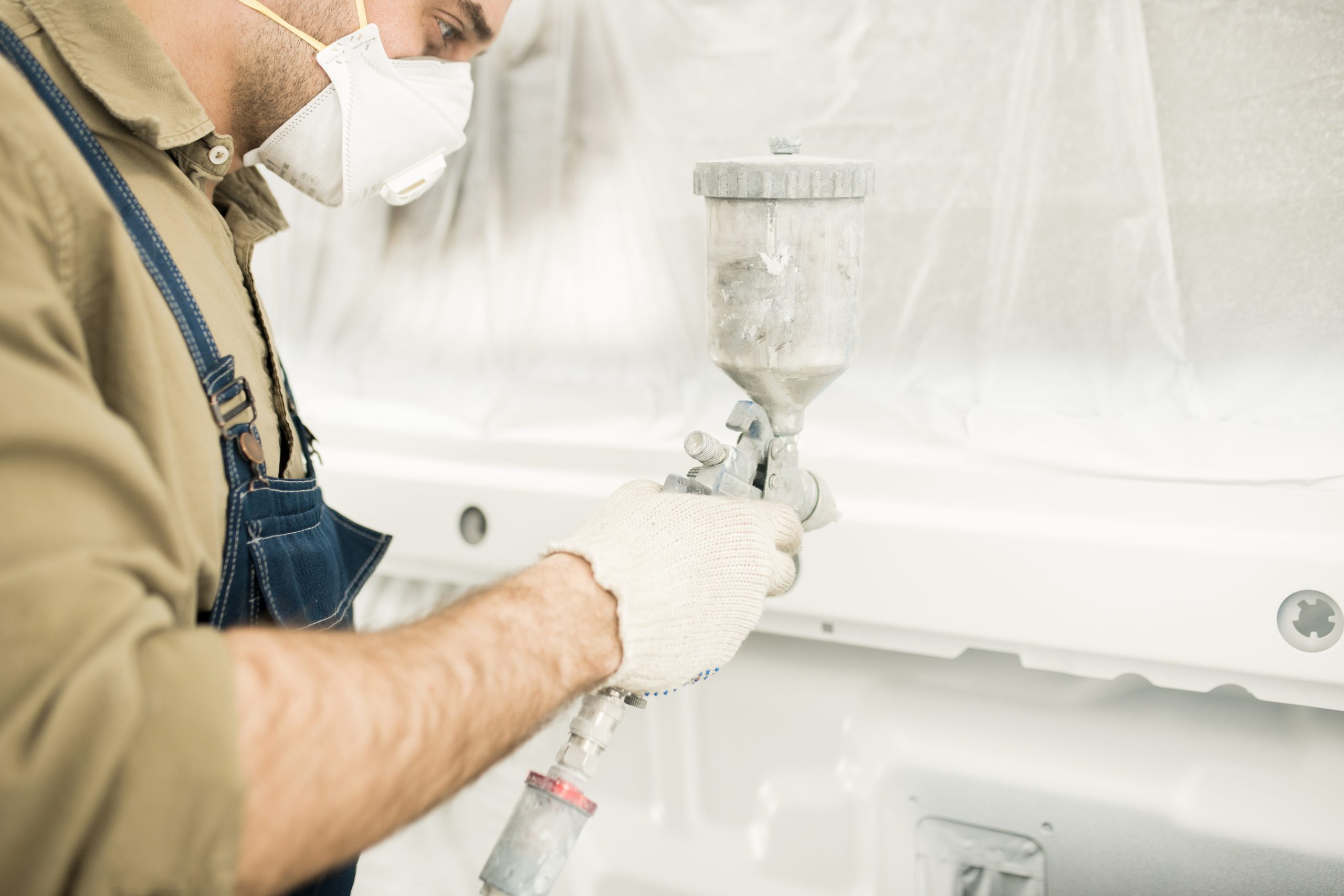
Malaysia’s gelcoat market is developing alongside the country’s growing fibreglass and composite manufacturing base. Gelcoat provides the outer protective surface on composite products, helping them withstand moisture, chemicals, UV exposure, and everyday wear while also delivering a smooth finish. Malaysia has attracted RM5.2 billion in investment in the fibreglass industry, while 38 downstream companies manufacture fibreglass products for sectors including automotive, construction, maritime, and oil and gas. This expanding ecosystem gives gelcoat suppliers a broad customer base and creates opportunities for products designed around durability, performance, and increasingly important sustainability requirements.
Market Drivers Affecting Malaysia’s Gelcoat Industry
Fibreglass Investment Is Strengthening the Local Customer Base
The scale of Malaysia’s fibreglass ecosystem provides an important foundation for gelcoat demand. MIDA reports RM5.2 billion in fibreglass investment and identifies 38 downstream companies producing fibreglass products for automotive, construction, maritime, and oil and gas applications. Gelcoat naturally fits into this value chain because it is applied to the finished surface of many reinforced composite products. As local manufacturers produce more tanks, panels, structural components, marine products, and other fibreglass items, demand can increase for coatings that provide attractive finishes and protection against demanding operating environments.
Marine, Construction, and Oil and Gas Applications Offer Diverse Demand
Malaysia’s tropical climate and extensive industrial activity make durability an important consideration for composite products. Fibreglass is valued for its corrosion resistance and ability to perform in marine, chemical-processing, and oil and gas environments. MIDA specifically highlights these characteristics and identifies marine, oil and gas, construction, and automotive industries as important users of fibreglass products. For gelcoat manufacturers, this means opportunities extend beyond traditional boatbuilding. Products designed for chemical resistance, weatherability, UV protection, and longer service life can address a wider range of Malaysian applications.
Lightweight Materials Are Finding Their Way Into More Industries
Malaysia’s composite industry is also supported by demand for lightweight and durable materials. Industry research identifies automotive, aerospace, construction, marine, wind energy, and other sectors as important areas for composite adoption. As manufacturers look for ways to reduce weight without giving up strength or corrosion resistance, composites become increasingly attractive. Gelcoat can complement this shift by protecting finished composite components and improving their appearance. The growing interest in electric vehicles and advanced manufacturing could create further opportunities for specialized composite coatings.
Government Strategies Supporting Malaysia’s Gelcoat Industry
Malaysia’s New Industrial Master Plan 2030 emphasizes advanced materials and stronger domestic manufacturing capabilities. The National Advanced Materials Technology Roadmap also identifies composites as an important area, with applications spanning marine, rail, automotive, aerospace, oil and gas, and construction. More recently, MIDA reported RM92.8 billion in approved investments during the first quarter of 2026, including RM24.2 billion in manufacturing investments, reflecting continued industrial investment.
Competitive Landscape of Malaysia’s Gelcoat Industry
Malaysia’s gelcoat landscape includes multinational chemical companies, resin suppliers, regional specialists, distributors, and composite manufacturers. The market is becoming less about supplying a standard coating and more about solving specific application requirements. Buyers can consider curing behavior, surface finish, chemical resistance, durability, price, technical support, and product availability. Suppliers offering customized formulations and dependable application guidance can build stronger relationships with marine, industrial, construction, and automotive customers.
Challenges Faced Within Malaysia’s Gelcoat Industry
Raw Material Dependence Can Create Cost Pressure
Gelcoat production relies on resins, pigments, catalysts, additives, and other chemical inputs. Malaysia’s petrochemical base provides advantages in raw-material availability, but global hydrocarbon price movements can still influence costs. Recent industry analysis also describes the Malaysian gelcoat-resins market as exposed to global feedstock fluctuations. Manufacturers therefore need reliable sourcing strategies to manage cost and supply risks.
Environmental Expectations Are Encouraging Product Innovation
Sustainability is becoming increasingly important across Malaysia’s composite industry. Customers are showing greater interest in products that deliver long service life while reducing environmental impact. Gelcoat manufacturers are consequently exploring lower-emission and more sustainable formulations. The challenge is maintaining the familiar combination of surface quality, durability, curing performance, and affordability while meeting evolving environmental expectations.
Future Outlook
Malaysia enters the coming years with a growing domestic fibreglass ecosystem and a diverse set of industries using composite materials. The RM5.2 billion invested in fibreglass and the presence of 38 downstream manufacturers demonstrate the depth of the local value chain. As automotive, construction, maritime, oil and gas, aerospace, and other industries continue exploring lightweight and corrosion-resistant materials, gelcoat should remain an important part of the composite manufacturing process. Future demand is likely to favor coatings that are durable, application-friendly, customized, and more environmentally responsible.
Consultants at Nexdigm, in their latest publication “Malaysia Gelcoat Market Outlook to 2035,” analyze the sector By Resin Chemistry (Epoxy, Vinyl Ester, Ortho phthalic Polyester, Bio- Based and Low Carbon Gelcoat), By Product Type (Tooling, Barrier, Conductive, High Gloss Decorative Gelcoat), By Application Method (Spray, Airless Spray, Brush and Roller Applied Gelcoat).
Nexdigm suggests that businesses in Malaysia’s Gelcoat Industry should strengthen local sourcing, invest in sustainable formulation development and build technical capabilities across advanced composite applications to meet evolving performance requirements.
To take the next step, simply visit our Request a Consultation page and share your requirements with us.
Harsh Mittal
+91-8422857704