
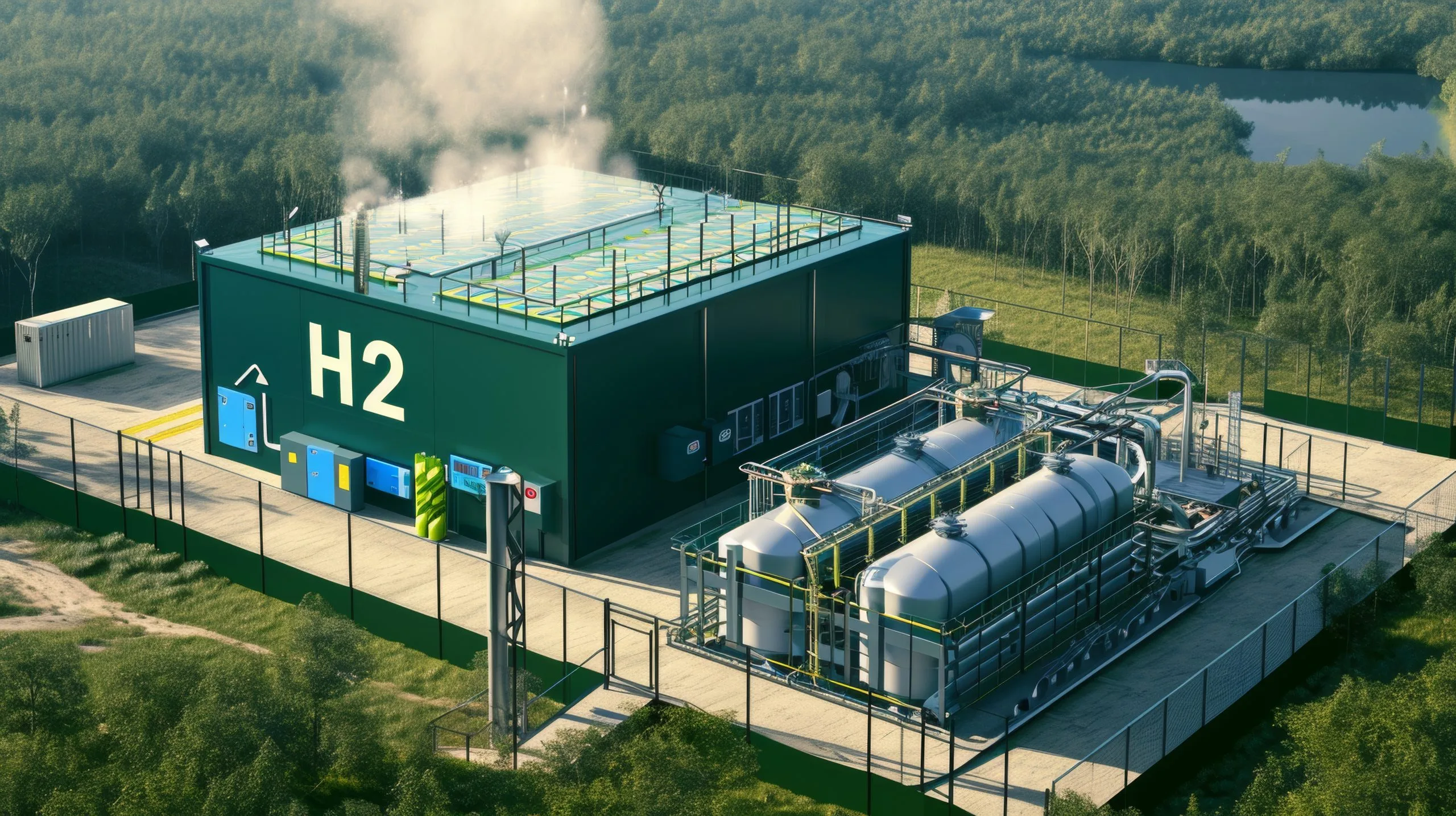
Malaysia’s green hydrogen market is gaining momentum as the country seeks to transition to a more sustainable, low-carbon economy. With abundant renewable energy resources, especially solar and hydropower, Malaysia is well-positioned to produce green hydrogen at scale. As global demand for hydrogen surges, Malaysia has an opportunity to not only meet domestic needs but also become a significant exporter to international markets. This market growth is crucial for Malaysia’s long-term energy security and its commitment to reducing carbon emissions by 2050.
Key Drivers Fueling Growth in Malaysia Green Hydrogen Market
Renewable Energy Expansion
Malaysia’s renewable energy sector is rapidly growing, particularly in solar energy, which is expected to drive down the cost of producing green hydrogen. With a goal to increase the renewable energy share in its energy mix, Malaysia has become an ideal candidate for large-scale green hydrogen production. As solar power becomes more affordable, it enhances the feasibility of green hydrogen production via electrolysis.
Government Policies and Decarbonization Goals
Malaysia’s commitment to achieving net-zero emissions by 2050 is a major driver of its green hydrogen strategy. The government’s emphasis on clean energy solutions and decarbonization, particularly in industries like transportation and manufacturing, is increasing demand for green hydrogen. These targets provide strong incentives for both local and international investors, boosting confidence in the market.
Export Potential
Southeast Asia’s strategic location makes Malaysia a potential hub for hydrogen exports, particularly to hydrogen-hungry markets like Japan and South Korea. This export opportunity is a key factor in attracting investment and fostering innovation in the green hydrogen sector.
Government Policies and Initiatives Promoting Green Hydrogen Development
The Malaysian government is actively fostering the growth of the green hydrogen market through initiatives such as the national hydrogen roadmap. This policy framework is designed to encourage private sector investment and innovation in the hydrogen economy, including production, storage, and distribution. Financial incentives and regulatory support further strengthen Malaysia’s position as a key player in the regional green hydrogen market.
Overview of Key Players and Market Competition in Malaysia’s Green Hydrogen Sector
Malaysia’s green hydrogen market is becoming increasingly competitive, with both local and international companies entering the sector. Key players are forming partnerships to develop production facilities and explore export opportunities. Collaboration with global technology providers will be crucial to advancing production methods and scaling infrastructure. The market’s growing appeal has attracted significant interest from energy firms and start-ups looking to capitalize on hydrogen potential.
Key Challenges Facing the Growth of Malaysia Green Hydrogen Market
High Production Costs
A major challenge for Malaysia’s green hydrogen market is the high production cost. The expense of electrolyzes and the need for affordable renewable energy are hurdles that need to be addressed to make green hydrogen more commercially viable.
Infrastructure Development
The lack of extensive hydrogen transport and storage infrastructure remains a barrier. Significant investment is required to build the pipelines and refueling stations needed to support large-scale green hydrogen adoption.
Future Outlook
By 2035, Malaysia’s green hydrogen market is expected to experience substantial growth, driven by technological advancements and cost reductions. As the country continues to develop its renewable energy capacity, green hydrogen will play an increasingly important role in the energy mix. With strong government support, evolving market dynamics, and increasing demand for clean energy solutions, Malaysia is well-positioned to become a regional leader in green hydrogen production and exports, contributing to a sustainable future.
Consultants at Nexdigm, in their latest publication “Malaysia Green Hydrogen Market Outlook to 2035,” analyze the sector by System Type (Electrolyzes, Fuel Cells, Storage Solutions, Hydrogen Production Systems), By Platform Type (Onshore Platforms, Offshore Platforms, Hybrid Platforms), and By Fitment Type (On-site Hydrogen Production, Centralized Hydrogen Production, Decentralized Hydrogen Production). Nexdigm suggests that businesses should stay proactive by closely aligning their strategies with emerging market trends, technological advancements, and evolving regulatory frameworks in the green hydrogen sector. By doing so, companies can better position themselves to seize new opportunities, mitigate risks, and drive sustainable growth, all while contributing to the global transition towards cleaner energy solutions.
To take the next step, simply visit our Request a Consultation page and share your requirements with us.
Harsh Mittal
+91-8422857704