
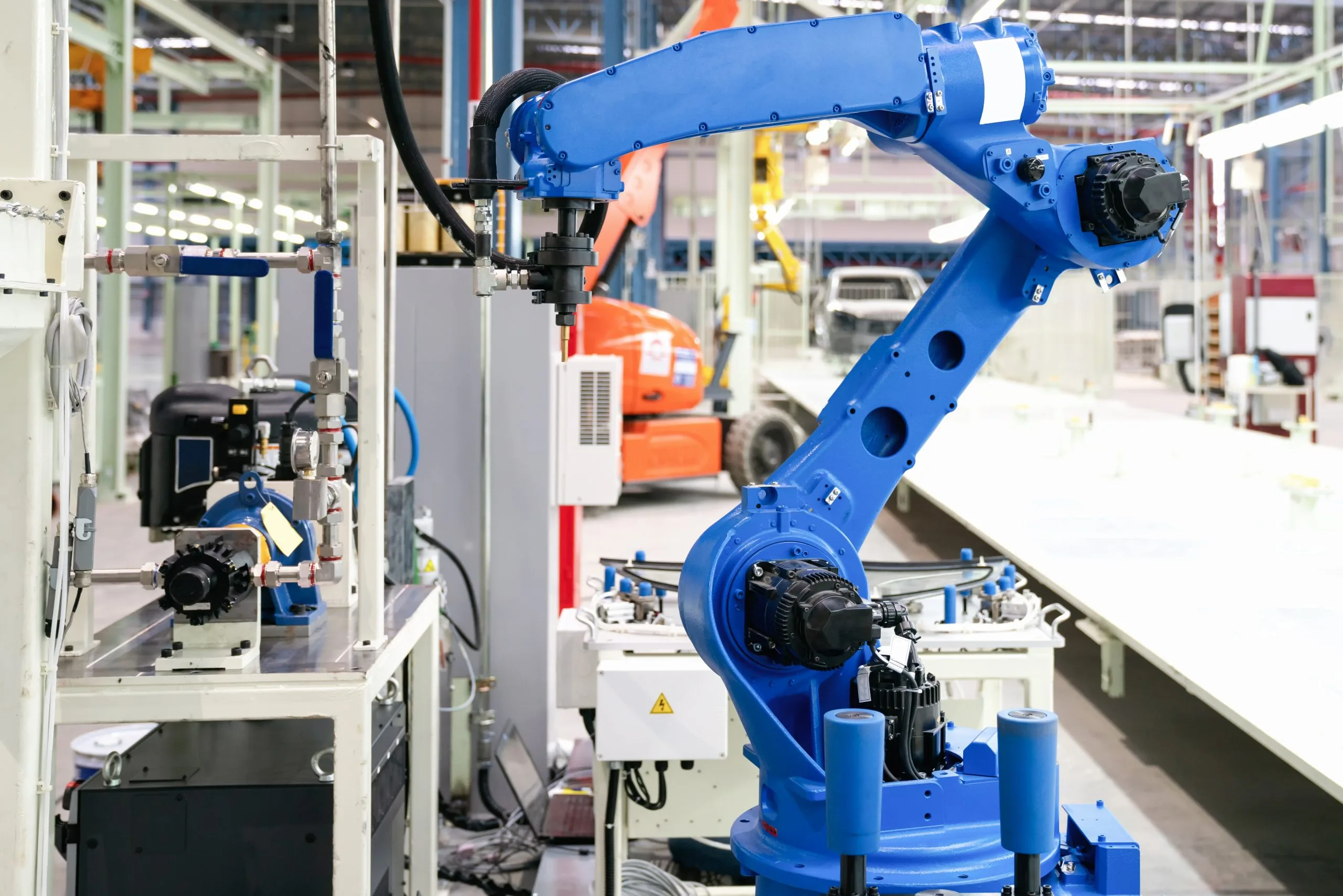
The industrial automation market in Malaysia is positioned for sustained expansion through 2035 as manufacturers and service providers integrate advanced technologies to improve efficiency, productivity, and competitiveness. Driven by Industry 4.0 initiatives, digital transformation, and rising demand for smart manufacturing, automation solutions such as robotics, IoT, and AI are increasingly adopted across automotive, electronics, and logistics sectors. While exact Malaysia‑specific forecasts vary, regional data indicate strong growth potential for automation hardware and software components, reflecting global trends where industrial automation markets are projected to grow substantially over the next decade.
Key Drivers Shaping the Growth of the Industrial Automation Market in Malaysia
Rising Efficiency and Productivity Needs
Manufacturers in Malaysia are increasingly deploying automation to enhance production output and reduce operational inefficiencies. Automation systems—such as programmable logic controllers (PLCs), robotics, and real‑time data analytics—enable tighter control over manufacturing processes, minimize human error, and shorten production cycles. These benefits are especially relevant in capital‑intensive sectors like electronics and automotive assembly where precision and throughput are critical.
Technological Advancements
Continued innovation in AI, IoT, machine learning, and connectivity technologies is expanding the capabilities of automation solutions. Integration of smart sensors, cloud computing, and predictive maintenance tools allows Malaysian industries to transition from traditional automation to fully interconnected smart manufacturing systems. These technologies facilitate data‑driven decision‑making and support next‑generation factories that can adapt to variable demand with minimal downtime.
Cost Pressures and Labor Dynamics
As labor costs rise and skilled workforce shortages persist, automation becomes an economically attractive alternative. By automating repetitive tasks and augmenting human labor, firms can maintain competitiveness without proportionate increases in wage costs. In parallel, integration of automation improves workplace safety by reducing exposure to hazardous conditions.
Government Initiatives and Support for Industrial Automation in Malaysia
The Malaysian government has articulated support for automation and advanced manufacturing through initiatives like the New Industrial Master Plan (NIMP) 2030, which targets the transformation of thousands of factories into smart facilities. Such frameworks aim to align national industrial capacity with global digital standards and encourage adoption of Industry 4.0 technologies. Policy measures typically include incentives for automation of investment and programs that encourage digital transformation across sectors.
Competitive Landscape and Key Players in Malaysia’s Industrial Automation Market
Malaysia’s automation market comprises a mix of domestic system integrators and global technology vendors. Key sectors such as electronics, automotive, and logistics draw established international suppliers of robotics, control systems, and software platforms, while local integrators adapt solutions to regional needs. Competition centers on technology capability, service quality, and cost efficiency, with partnerships between local firms and overseas technology providers common.
Key Challenges Facing the Adoption of Industrial Automation in Malaysia
High Implementation Costs
Significant upfront investment remains a barrier for smaller manufacturers considering automation deployment, as advanced systems involve hardware, software, and integration expenses.
Skilled Workforce Shortage
A shortage of workers trained in automation technologies and digital systems limits adoption speed, requiring investment in upskilling and education to close the skills gap.
Future Outlook
Through 2035, Malaysia’s industrial automation market is expected to broaden as digital transformation accelerates. Adoption of connected systems, robotics, and AI‑enabled automation will likely expand in manufacturing, logistics, and energy sectors, driven by needs for operational resilience and quality improvement. Continued alignment with global Industry 4.0 benchmarks and increased private‑sector investment are anticipated to strengthen Malaysia’s automation ecosystem. As costs decline and workforce training improves, automation penetration may deepen across small and medium enterprises, supporting broader competitiveness in global supply chains.
Consultants at Nexdigm, in their latest publication “Malaysia Industrial Automation Market Outlook to 2035,” analyze the sector by System Type (Industrial Robotics Systems, Programmable Logic Controller Systems, Distributed Control Systems, Human Machine Interface Systems), By Platform Type (Manufacturing Automation Platforms, Process Automation Platforms, Warehouse Automation Platforms), and By Fitment Type (New Automation System Installation, Retrofit Automation Integration, Modular Automation Systems). Nexdigm suggests that businesses should adopt a strategic approach to integrating advanced technologies within their operations to stay competitive in an increasingly automated world. By understanding the evolving dynamics of the industry, such as the rise of Industry 4.0, companies can align their growth strategies with global technological advancements. This will help businesses not only improve operational efficiency but also optimize production processes, reduce costs, and remain agile in adapting to new market demands. Building a strong foundation in digital transformation and automation is essential for future-proofing businesses in sectors like manufacturing, logistics, and electronics.
To take the next step, simply visit our Request a Consultation page and share your requirements with us.
Harsh Mittal
+91-8422857704